

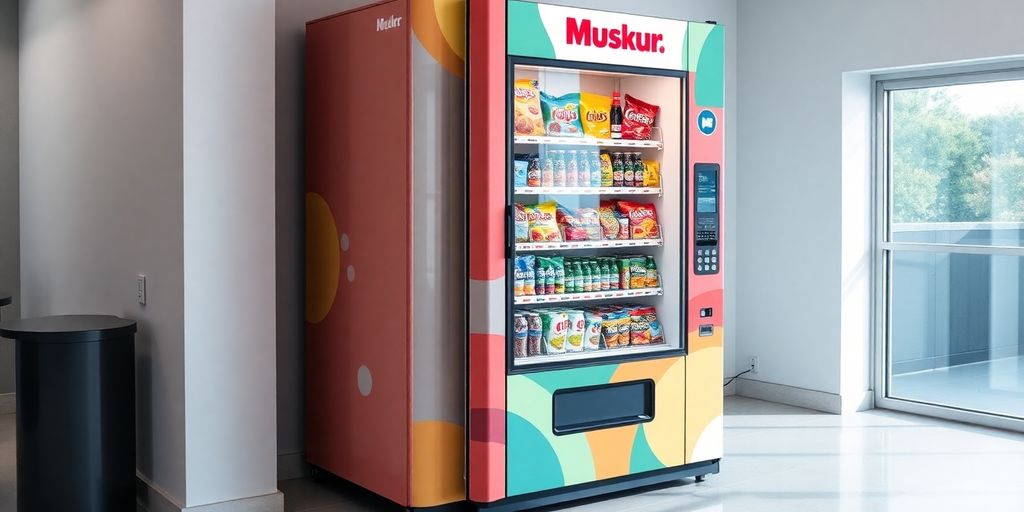
After helping a handful of self-employed clients launch their first machines, I am convinced that starting a vending machine business is one of the most underrated paths to semi-passive income for solo operators. The barrier to entry is low, the cash flow is predictable once you find the right locations, and the day-to-day work fits neatly around other commitments. This guide walks you through every step of starting a vending machine business in a way that protects your downside and gives you a real shot at scaling beyond a single machine.
Why starting a vending machine business makes sense in 2026
The U.S. vending industry generates roughly $9 billion in annual revenue, and demand for healthier snacks, coffee, and tech-enabled machines has opened the door for new operators who would have been crowded out a decade ago. In my experience, the freelancers and side-hustlers who succeed are the ones who treat vending like a real business from day one: they research the market, file the right paperwork, and pick locations with discipline.
Compared to other small business models, vending offers three things solo operators love. It is mostly hands-off after setup, it produces cash daily, and it scales by adding units instead of hiring staff. If you have been weighing other ideas, my self-employment ideas guide compares vending against several alternatives.
Step 1: Research the vending machine business landscape
Before you spend a dime on a machine, study the market in your specific city. Walk through office parks, gyms, laundromats, and apartment complexes near you. Note which machines look well-maintained, which are empty, and which products move fast. The patterns you see in a single afternoon will save you thousands of dollars in poor location choices later.
Types of vending machines to consider
The classic snack and drink combo machine is still the workhorse of the industry, but newer categories are growing fast. Coffee machines, fresh-food machines, healthy snack machines, and personal care vending (think phone chargers and earbuds at airports) all carry higher margins than traditional candy bars. Pick the category that matches the locations you can realistically access.
Step 2: Write a simple business plan
You do not need a 30-page document. You need a one-page plan that covers your target customer, your startup budget, your monthly revenue projection, and your break-even timeline. The U.S. Small Business Administration offers free templates that work well for vending operators.
Realistic startup costs
Here is a budget I share with new clients who are starting a vending machine business with one or two units:
- Used machine in good condition: $1,500 to $3,500
- New machine with cashless payment: $4,000 to $7,000
- Initial product inventory: $300 to $600 per machine
- Business registration and licenses: $50 to $400
- General liability insurance: $300 to $700 per year
- Location commission or rent (if applicable): 10 to 25 percent of gross sales
A bootstrapped operator can realistically be in business for under $4,000 with one used machine and a solid location.
Step 3: Handle the legal and tax setup
This is where many new operators trip themselves up. Before placing your first machine, you need a business structure (most operators choose an LLC), a federal EIN, a state sales tax permit, and any local business licenses. If your machines sell food, you may also need a food handler permit. The IRS Small Business and Self-Employed Tax Center has free guidance on the federal side.
Self-employment taxes will apply to your vending profits, so plan ahead. My guide to essential forms for self-employed professionals covers the paperwork you will encounter in your first year, and our self-employed bookkeeping step-by-step guide shows you how to track machine-by-machine profitability so you can spot underperformers fast.
Step 4: Find profitable locations
Location is the single biggest factor in whether starting a vending machine business will pay off. After helping operators secure dozens of placements, I can tell you the best locations almost always share three traits: high foot traffic, a captive audience, and limited nearby competition.
High-converting location types
- Manufacturing facilities and warehouses with shift workers
- Apartment complexes with 100 or more units
- Auto repair shops, tire stores, and dealerships
- 24-hour gyms and fitness studios
- Trade schools and vocational training centers
- Laundromats and self-storage facilities
When you approach a location owner, lead with a clean one-page proposal. Offer a small commission (often 10 to 20 percent of gross sales) or a flat monthly rent. Always get the agreement in writing, including who handles power, who can approve product changes, and what notice is required to remove the machine.
Step 5: Buy the right machine
For your first unit, I almost always recommend a refurbished combo machine with a cashless reader. Pure cash machines lose 20 to 30 percent of potential sales in 2026 because so many customers no longer carry bills. Buy from reputable refurbishers who offer warranties, test the machine before paying, and confirm parts availability for the model you choose.
New versus used vending machines
New machines come with manufacturer warranties and the latest payment tech, but they cost two to three times what a quality refurbished unit costs. For most first-time operators, used machines are the smarter call. Just budget for a tune-up and a fresh card reader if the existing one is more than five years old.
Step 6: Stock smart and manage inventory
Your product mix should match the location. Office buildings tend to want healthier snacks and bottled water. Auto shops sell more chips, energy drinks, and candy. Apartment complexes do well with quick-meal items and cleaning supplies. Track sales by product weekly during your first three months, then drop the bottom 20 percent and replace those slots with something new.
Inventory tools that save time
Modern telemetry kits let you monitor stock levels remotely so you only drive out when a machine actually needs restocking. The savings on gas and time alone can pay for the kit within a few months once you have more than two machines.
Step 7: Market and grow your vending business
Vending is mostly a relationship business. Ask every property manager you work with for referrals. Print simple branded labels for your machines so customers know who to contact. Reinvest the cash from your first machine into your second, then your third, and so on. Most successful operators I know reached 10 machines within their first 18 months simply by reinvesting profits and treating every location owner like a long-term partner.
Common mistakes when starting a vending machine business
- Buying a machine before securing a location
- Skipping written location agreements
- Ignoring sales tax obligations
- Failing to track per-machine profitability
- Choosing locations based on friendship instead of foot traffic
How much can you make starting a vending machine business?
A well-placed combo machine typically nets $200 to $600 per month after product costs and commissions. Operators with 10 strong locations can clear $3,000 to $6,000 monthly in net profit. The math gets compelling once you hit five or more machines because your fixed costs (insurance, accounting, software) stay flat while revenue scales.
Frequently asked questions
How much does starting a vending machine business cost?
Most first-time operators can launch a single-machine vending business for $2,500 to $4,500, including a used machine, initial inventory, licenses, and insurance. New machines cost more but offer warranties and modern payment options.
Do I need an LLC to start a vending machine business?
An LLC is not legally required, but most operators form one to separate personal and business liability. It also makes opening a business bank account and filing taxes much cleaner.
What is the most profitable type of vending machine?
Coffee machines and combo snack-and-drink machines tend to deliver the highest margins for new operators, especially in office and industrial locations. Specialty machines selling personal care items can be even more profitable in airports and travel hubs.
How do I find good locations for vending machines?
Walk neighborhoods near you, identify high-traffic businesses without existing vending, and pitch property managers directly. Manufacturing sites, large apartment buildings, gyms, and auto shops are reliable starting points.
Do vending machines pay for themselves quickly?
A well-placed used machine typically pays back its initial cost within 6 to 12 months. New machines may take 12 to 24 months depending on location and product mix.
What licenses do I need to operate vending machines?
You generally need a state sales tax permit, a local business license, and (if you sell food) a food handler permit. Requirements vary by city and state, so check with your local SBA office.
Can starting a vending machine business be a side hustle?
Yes. Many operators start with one or two machines and run them around a full-time job. The work is mostly evenings and weekends until your route grows enough to justify a full-time commitment.


