


I learned the hard way that skipping dental care gets expensive fast. Early in my freelance years, I delayed a cleaning and ended up needing a crown. That bill wiped out a week of client work. Since then, I have helped teammates and readers find plans that do not crush a self-employed budget. My goal has always been simple: predictable costs, strong networks, and no waiting months for basic care.
I talked with brokers, sifted through plan documents, and pulled sample quotes across several zip codes. The tricky part is that every carrier prices by state, age, and plan design, so apples-to-apples comparison takes patience. What I kept seeing from people who keep costs low: they prioritize preventive coverage at 100%, choose a plan with a decent annual maximum, and only pay for extras they will actually use.
You do not need the most complex plan. You need clean terms, a large network near you, clear coverage for fillings, and reasonable wait times for major work. This guide breaks down the top affordable dental insurance options for self-employed people in 2026, including where each plan shines, the tradeoffs, and how I weighed value over hype.
Scroll down for my hands-on notes on each option, including where they save money, the gotchas to watch for, and which one I picked. I’ll also point out good low-cost picks for beginners.
What is Dental Insurance?
Dental insurance helps pay for preventive care, basic procedures, and major work at dentists within a plan’s network. Its main goal is to lower out-of-pocket costs and spread financial risk.
There is a saying in benefits: the cheapest claim is the one you prevent. Dental plans encourage checkups and cleanings, which catch problems early and help self-employed people avoid surprise bills and lost work time. Routine cleanings and exams twice a year might cost a few hundred dollars at retail. A single crown, however, can run four figures without coverage. Insurance shifts that balance so prevention is nearly free and bigger work is discounted.
People often pair dental insurance with vision plans, HSAs, or FSAs to take advantage of pre-tax savings. Not every plan is equal, though. Networks, waiting periods, and annual maximums vary significantly, which is why careful comparison matters before you commit.
How to Choose the Best Dental Insurance
Comparing dental plans can feel overwhelming. Networks, waiting periods, deductibles, and coinsurance levels all change by procedure type and plan year. Before you buy, ask yourself these questions:
- Does the plan cover preventive care at 100% with no waiting period?
- How easy is it to verify in-network dentists near me?
- Will the annual maximum scale if I expect major work this year?
- How do premiums change if I add family members?
- Does it cover fillings and extractions in year one, and at what coinsurance rate?
- What cost estimates can I see online before treatment?
- Are there restrictions on implants, orthodontia, or missing-tooth clauses?
1. Delta Dental
Best for: Freelancers who want the widest choice of dentists, families needing predictable preventive care, and anyone who may move between states.
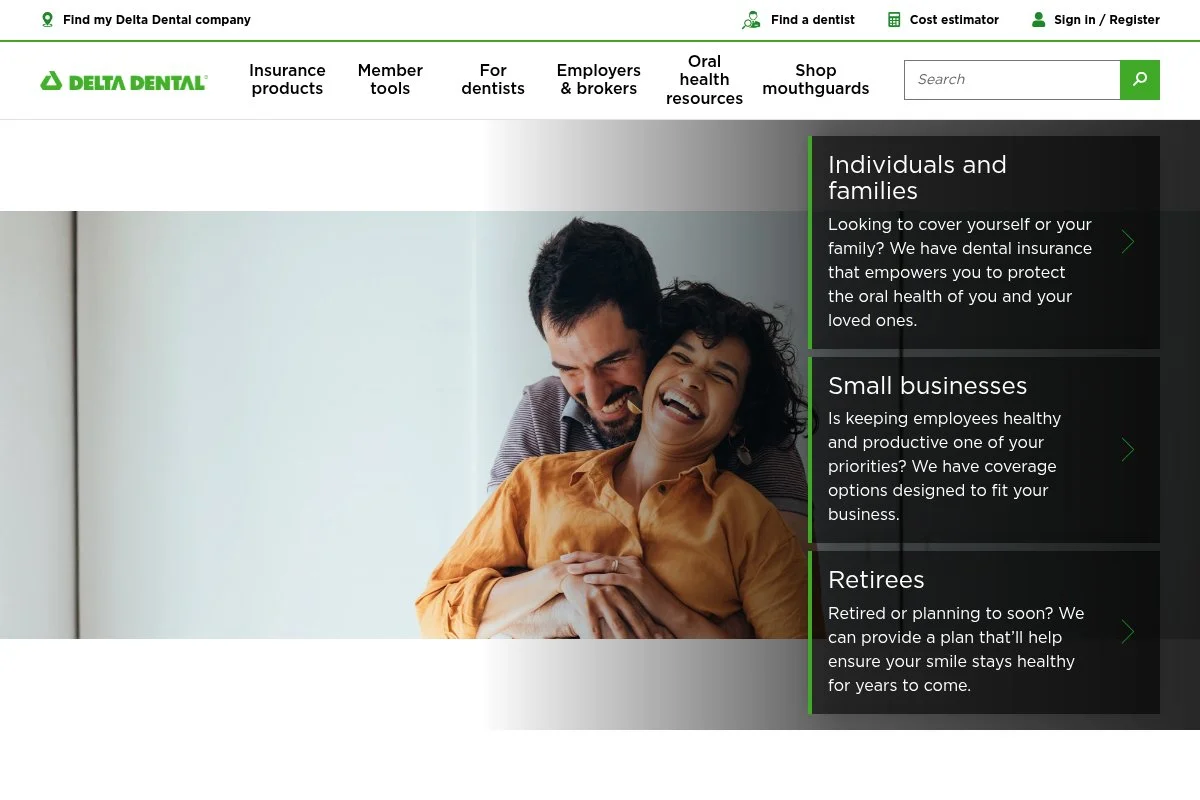
Delta Dental is a national leader built around broad access and negotiated rates, offered through a network of independent Delta companies. It is one of the most recognized dental brands in the country, with wide provider participation across states.
Getting started is straightforward: enter your ZIP code and choose between PPO or DHMO options where available. The member portal lets you check benefits, view claims, and estimate costs before scheduling care.
I personally use Delta Dental because my local dentists almost always accept it. That network depth has saved me time when I moved and needed to find a new office quickly. Most Delta plans also keep preventive care at 100% in-network, which nudges me to stay current on cleanings without second-guessing the cost.
Plan tiers:
- PPO Basic: Preventive at 100%; basic services after waiting period
- PPO Plus: Higher annual maximum; improved coinsurance on basic and some major services
- PPO Premium: Highest annual maximum; broader major coverage; select ortho or implant options vary by state
- DHMO (where offered): Fixed copays; provider selection required; typically no annual maximum
Pros: Huge network; preventive often covered at 100%; multiple tiers for higher annual maximums; transparent cost tools
Cons: Waiting periods on major work for many plans; implant and ortho coverage limited on lower tiers; coverage details vary by state
They offer limited orthodontic benefits and implant options, which many rivals exclude or restrict.
I’ve personally used Delta Dental because my local dentists almost always accept it. That network depth has saved me time switching offices when I moved. I also like that many Delta plans keep preventive care at 100% in-network. It nudges me to stay on top of cleanings and X-rays without second-guessing the cost.
Delta Dental reviews
Public third-party reviews are split across many local Delta companies, so aggregate ratings are limited. Most shoppers rely on local dentist recommendations and state-specific plan details.
2. Guardian Direct

Guardian Direct is an individual and family branch of Guardian Life, a long-standing benefits company. It focuses on clear, budget-friendly dental plans with strong preventive coverage and a solid PPO network. You can check quotes online in minutes. The interface walks you through plan choices and shows coinsurance for preventive, basic, and major services. I like the straightforward plan summaries and dentist lookup.
Guardian has continued to refine its online enrollment and digital claims experience. Many plans show day-one coverage for preventive care and quick access to ID cards, which is helpful if you’re scheduling a cleaning soon. Higher-tier plans can include higher annual maximums, shorter waits on basic care, and limited orthodontic options. Some plans cover implants, though you’ll want to read the state-specific details.
I don’t use Guardian Direct right now, but a colleague chose it for a competitive premium and nearby in-network providers. The no-fuss online quote flow was a selling point for her. Customer resources, like benefits summaries and easy-to-read EOBs, make it simple to understand what’s covered before you sit in the chair.
How Guardian Direct works and key features
Guardian’s site uses a clean selection flow, then a member portal for ID cards, claims, and benefits. Templates here are “plan options”—value, core, or higher tiers. You can customize your choice by balancing premium against annual maximum and major care coverage.
More advanced users can review full plan documents online and see detailed exclusions, such as missing-tooth clauses. Tracking tools show deductibles met, remaining annual max, and claim statuses. Automated EOBs, direct deposit, and reminders help keep you on track.
Guardian offers add-ons, such as vision plans, in some states. Support is responsive through chat or phone during business hours. Overall, Guardian Direct feels welcoming to first-timers but offers enough depth for those expecting more than cleanings.
Who Guardian Direct is for
Great for freelancers and solopreneurs who want simple, affordable PPO coverage. It suits families prioritizing preventive care and individuals who may need fillings within the first year. If you require broad implant or orthodontic coverage, verify details by state. No technical skill needed.
Guardian Direct pricing
Guardian’s pricing is tiered and quote-based. Premiums depend on location, age, and plan level. Many plans have a small annual deductible and a defined annual maximum that grows with higher tiers.
- Entry PPO: Quote-based monthly premium; 100% preventive in-network; coinsurance on basic after waiting period.
- Mid PPO: Quote-based monthly premium; higher annual max; shorter waits on basic; improved rates for major services.
- Top PPO: Quote-based monthly premium; highest annual max; limited ortho or implant coverage may apply by state.
Against competitors, Guardian often prices well for preventive-first needs. Annual billing and bundling with vision may create small savings in some markets. Always compare dentist networks for your zip before deciding.
Pros and cons of Guardian Direct
Pros
- Clear plans and easy online enrollment.
- Strong preventive coverage starting day one.
- Competitive pricing in many states.
- Useful digital tools for claims and benefits.
Cons
- Waiting periods on major work are common.
- Implant and ortho coverage varies and may be limited.
- Network strength can differ by city.
If you want a clean, affordable PPO with solid basics, Guardian Direct is hard to beat. If you need no waiting period, consider Spirit below.
Guardian Direct reviews
Third‑party ratings vary by platform and plan type, and counts change often. Public reviews are mixed but trend positive for ease of enrollment and clarity of claims.
3. MetLife TakeAlong Dental
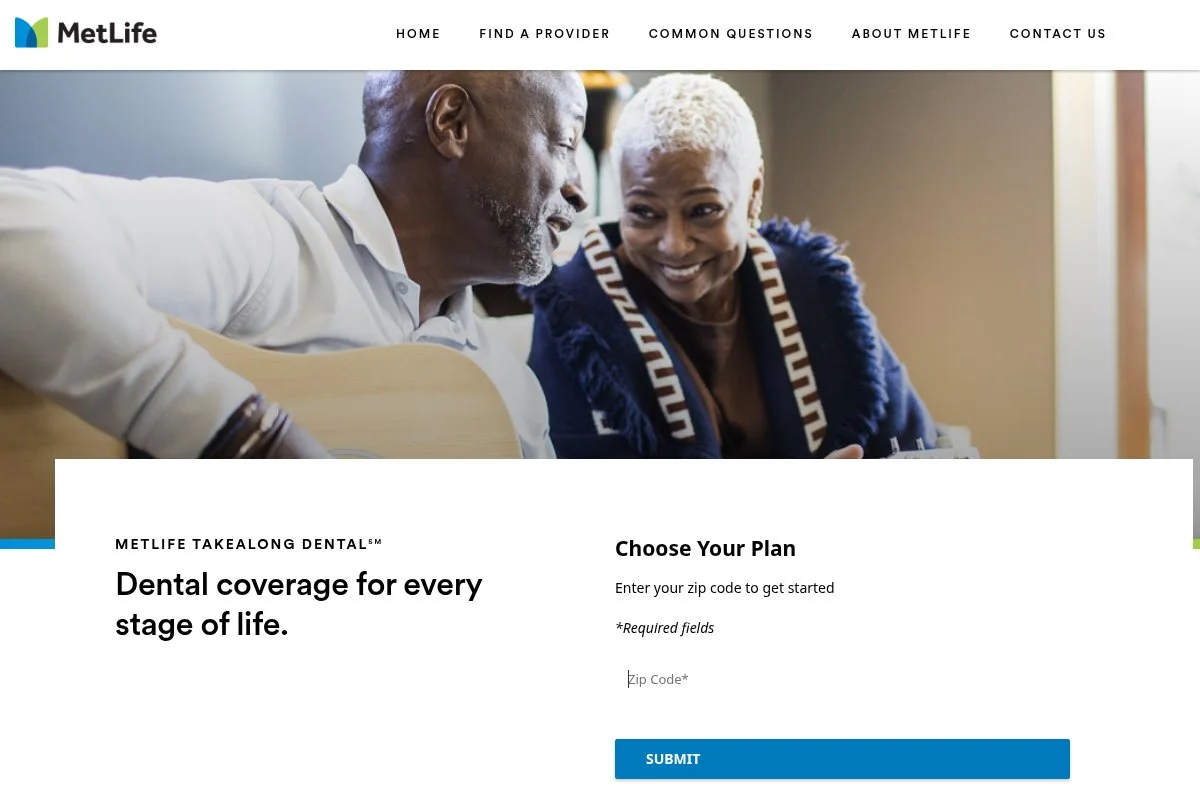
MetLife TakeAlong Dental offers portable individual PPO plans from a trusted benefits brand. The “take along” idea is key for self-employed folks who might switch jobs or move and want stable benefits they can keep. Quotes are fast online. You’ll see plan tiers with different annual maximums and coinsurance. The member portal keeps ID cards, claims, and coverage details in one place, which helps me budget for the year.
MetLife has refined its consumer-friendly plan pages and dentist search. Many markets now list clear coverage outlines and waiting periods, making it easier to compare plans without guessing. Higher-tier plans can include larger annual maximums and richer coverage for crowns, bridges, and endodontics. Some plans offer limited orthodontic benefits and implant options, though details vary by state and plan.
I like MetLife’s balance of network size and portable plan design. A designer on my team kept her TakeAlong plan through several moves, and it made life simpler. Support materials are plain-English and easy to navigate. You don’t need to be a benefits pro to make sense of it.
How MetLife TakeAlong works and key features
The site guides you through plan selection, then into a member dashboard. The experience focuses on plan clarity—percentages for preventive, basic, and major care are laid out up front. Provider search highlights in-network dentists and distance.
Customization means picking the right tier for your expected needs. Advanced users can review full SBCs and exclusions. Tracking tools show deductibles, claim history, and remaining annual maximums. Automated EOBs and paperless options are standard.
MetLife also offers vision plans in many areas. Phone and online support are available during the week, with solid documentation for common questions.
Overall, it’s a steady, portable choice with a good blend of simplicity and depth of coverage.
Who MetLife TakeAlong is for
Ideal for self-employed pros who move or change gigs and want consistent coverage. Great for families who value preventive care and predictable benefits. If you need aggressive implant or orthodontic coverage, read the fine print. Beginner-friendly.
MetLife TakeAlong Dental pricing
Pricing is quote-based and varies by location, age, and plan tier. Plans typically include a deductible and annual maximum, with richer tiers offering better coinsurance on major services.
- PPO Value: Quote-based monthly premium; 100% preventive in-network; basic coverage after waiting period.
- PPO Classic: Quote-based monthly premium; increased annual maximum; improved coverage on major work.
- PPO Premium: Quote-based monthly premium; highest annual maximum; limited ortho or implant options by state.
Value is competitive with other big carriers. If you want lower premiums, pick a leaner plan and upgrade later if big work is likely. Check annual vs. monthly billing options during enrollment.
Pros and cons of MetLife TakeAlong
Pros
- Portable individual plans you can keep through life changes.
- Clear plan tiers and straightforward benefits.
- Large PPO network in many markets.
- Good online tools and documentation.
Cons
- Waiting periods common for major work.
- Implant/ortho coverage varies and may be limited.
- Networks can be thinner in some rural areas.
Choose MetLife TakeAlong if you value portability and clarity. If you need immediate major care, compare with Spirit’s no-wait options.
MetLife TakeAlong reviews
Public reviews for TakeAlong live across various platforms and states, so consolidated ratings are limited. Feedback often highlights network strength and consistent preventive coverage.
4. Aetna Dental Direct
Aetna Dental Direct delivers individual dental coverage from a major health insurer known for broad national partnerships. Plans aim for simple enrollment and access to Aetna’s PPO network. You can price and enroll online. The portal provides benefit summaries, digital ID cards, and claim details. I like the straightforward dentist finder and the way procedure categories are split into preventive, basic, and major.
Aetna has emphasized clearer consumer plan pages and network search tools. Some markets offer improved coverage options for basic care in year one, which can help if you expect to need fillings soon. Upper tiers typically bump the annual maximum and improve coinsurance on major services. Limited orthodontic benefits may appear on select plans; implant coverage varies by state and plan design.
I don’t carry Aetna Dental Direct, but I’ve heard positive feedback from readers on claim processing and provider access in suburban areas. I also appreciate the clean online experience and the helpful plan documents that clearly spell out waiting periods.
How Aetna Dental Direct works and key features
Aetna’s interface is simple: get a quote, pick a plan tier, and access your member dashboard. Templates equal plan tiers; you choose coverage levels that match expected care. The provider search is quick, and plan PDFs detail exclusions and coinsurance. Members can track deductibles, remaining annual maximum, and claims online. Automated EOBs and digital ID cards keep admin light. In some areas, you can bundle vision coverage.
Support is available by phone and web, with solid knowledge articles. It’s an approachable setup that still gives you control over costs. All told, Aetna Dental Direct is easy to start with and practical for day-to-day use.
Who Aetna Dental Direct is for
Good fit for self-employed pros who want a known brand and a broad PPO network. Works for families that need strong preventive and reasonable coinsurance on fillings. If you’re prioritizing no waiting on major work, compare Spirit. Beginner-friendly overall.
Aetna Dental Direct pricing
Pricing is tiered and quote-based. Premiums vary by state, age, and plan richness. Plans include deductibles and annual maximums that increase with higher tiers.
- Direct Basic: Quote-based monthly premium; 100% preventive in-network; basic services covered after waiting period.
- Direct Enhanced: Quote-based monthly premium; higher annual maximum; better coinsurance for major services.
- Direct Premium: Quote-based monthly premium; highest annual maximum; select orthodontic or implant benefits may apply by state.
Aetna prices in line with other national carriers. If you only need cleanings, choose a basic option. If you expect crowns, the enhanced tier can be worth the higher premium. Check if annual billing or bundling offers savings.
Pros and cons of Aetna Dental Direct
Pros
- Well-known network and reliable claims tools.
- Easy online enrollment and member portal.
- Balanced plan tiers for different needs.
- Clear plan documents and exclusions.
Cons
- Waiting periods common on major services.
- Implant and ortho coverage limited on many tiers.
- Network depth varies within rural areas.
If you want steady coverage from a major carrier, Aetna Dental Direct is a safe pick. For immediate major care, Spirit is still the play.
Aetna Dental Direct reviews
There isn’t a single consolidated rating for “Aetna Dental Direct” across platforms. Reviews for Aetna’s dental PPO network skew positive on access and claim processing.
5. Ameritas PrimeStar
Ameritas PrimeStar offers individual dental and vision with a reputation for competitive annual maximums and broad PPO access. Ameritas underwrites plans for several partner brands, so its network reach is a strong draw. Online quotes are quick. The member portal provides ID cards, claims, and benefits at a glance. I like that Ameritas often lists increasing annual maximums in higher tiers, which helps if you anticipate major work.
Ameritas has expanded plan clarity with simple benefit summaries and an online dentist search. Some plans show day-one preventive coverage and reasonable coinsurance for basic care after short waits. Premium tiers can include higher annual maximums, better rates on crowns and endo, and limited orthodontic benefits in select markets. Implant coverage varies, but some plans offer partial benefits.
I’ve recommended PrimeStar to readers who wanted higher annual maximum options without jumping carriers. Feedback on claim speed has been strong. Documentation is straightforward, and the PPO network is competitive in many suburban and urban areas.
How Ameritas PrimeStar works and key features
The experience focuses on plan selection and network search. You can compare tiers side by side and view coinsurance by service type. The portal clearly tracks deductibles, the remaining annual max, and claim status. For advanced needs, plan PDFs explain exclusions such as missing-tooth clauses. Automation covers EOBs, direct deposit, and paperless settings. Some plans bundle vision benefits, which can trim overall costs.
Support channels include phone and online contact options. Overall, it’s a good balance: quick to start, plenty of network reach, and helpful if you expect larger treatment plans. It works for beginners and cost planners alike.
Who Ameritas PrimeStar is for
Great for self-employed folks who want higher annual maximum options and steady PPO access. It fits families expecting crowns or endodontics this year. If you need guaranteed no-wait major coverage, Spirit may be a better fit. Beginner-friendly with depth for planners.
Ameritas PrimeStar pricing
Pricing is quoted based on location, age, and tier. Plans include standard deductibles and annual maximums, with higher tiers increasing the annual max and improving coinsurance.
- PrimeStar Basic: Quote-based monthly premium; preventive 100% in-network; entry coinsurance on basic.
- PrimeStar Advantage: Quote-based monthly premium; higher annual maximum; improved basic/major coverage.
- PrimeStar Total: Quote-based monthly premium; highest annual maximum; select ortho/implant options vary by state.
Compared to rivals, PrimeStar often shines in terms of annual maximum value. If you want rich major coverage, the higher tier can pay off. Check if annual billing discounts apply in your area.
Pros and cons of Ameritas PrimeStar
Pros
- Higher annual maximum options than many competitors.
- Wide PPO network through Ameritas.
- Fast online quotes and clear plan summaries.
- Good claim turnaround feedback from users.
Cons
- Implant and ortho coverage varies by state and tier.
- Waiting periods can apply to major work.
- Networks can be thinner in remote areas.
If your priority is a bigger annual max, Ameritas PrimeStar is a strong pick. If you need care this month, review Spirit’s no-wait plans.
Ameritas PrimeStar reviews
Ameritas policies appear under several brand names, making a single rating tricky. Available reviews point to positive experiences with provider access and claims.
6. Spirit Dental
Spirit Dental sells individual PPO plans underwritten by Ameritas, which are often no-waiting-period—even for major services—depending on the plan. That’s a big deal if you need treatment soon. You can get a quote online by zip code and see clear plan names with their coinsurance levels. The member portal covers ID cards, claims, and benefits in a simple layout. I like the transparency around annual maximums and per-service coverage.
Over time, Spirit has leaned into the “no waiting period” angle and straightforward online enrollment. For self-employed readers who can’t delay care, that’s a real advantage. Higher-tier plans frequently offer larger annual maximums and better coverage for crowns, bridges, and endo. Some plans include limited orthodontic coverage and implant benefits, though these vary.
I recommend Spirit when timing is urgent. A reader who cracked a tooth picked Spirit to start treatment fast, and the lack of a wait saved her from postponing needed care. The clear plan comparisons and strong Ameritas network support make Spirit an easy, practical choice when the clock is ticking.
How Spirit Dental works and key features
Spirit’s interface is direct: enter your ZIP, compare plans, and enroll. Many plans show immediate preventive, basic, and even major coverage without typical delays. The provider search taps the Ameritas PPO network, which is broad in many cities. You can view coinsurance by service category, annual maximums, and deductibles right on the plan cards. The portal tracks remaining benefits and claims. Automation covers EOB delivery and paperless settings.
Extra tools are light by design, which keeps things simple. Support is available by phone and email, with clear documentation on plan details and exclusions.
Overall, Spirit is especially friendly for urgent needs and still workable for ongoing preventive care.
Who Spirit Dental is for
Best for freelancers who need work done right away and can’t wait months for coverage. It fits people planning crowns or bridges soon. If you don’t need immediate major care and want the lowest premium, other carriers may offer better pricing. Beginner-friendly.
Spirit Dental pricing
Spirit’s pricing is quote-based and varies by state, age, and plan design. Many plans feature no waiting periods, which can justify a slightly higher premium than basic competitors.
- No-Wait Basic: Quote-based monthly premium; 100% preventive; entry-level coinsurance on basic and some major.
- No-Wait Enhanced: Quote-based monthly premium; higher annual maximum; better coverage for crowns and endo.
- No-Wait Premium: Quote-based monthly premium; highest annual maximum; limited ortho/implant options vary by state.
Compared with lean plans, Spirit may cost more, but the immediate coverage can save money if you’re starting treatment now. Check annual max growth across tiers to match expected needs.
Pros and cons of Spirit Dental
Pros
- Often no waiting periods, including on major work.
- Ameritas PPO network access.
- Clear, fast online enrollment.
- Good plan transparency for urgent needs.
Cons
- Premiums can be higher than basic plans with waits.
- Coverage for implants/ortho varies by state and tier.
- Annual maximums still cap benefits.
Choose Spirit if speed matters most. If you’re mainly after cleanings, a cheaper plan with waits may cost less overall.
Spirit Dental reviews
Reviews appear across multiple platforms and partner sites. Many buyers highlight the no-wait feature and straightforward enrollment; formal aggregate ratings are limited.
What is the Best Dental Insurance Right Now?
My top picks this year are Delta Dental, Guardian Direct, and Spirit Dental. Delta wins for provider choice and steady value. Guardian is a smart, budget-friendly PPO with clear terms. Spirit shines if you need coverage without delays.
Delta Dental is my number one because I personally use it and can find in-network dentists almost anywhere I work. This isn’t sponsored. I landed on Delta after calling local offices; most of them accepted it, which saved me hours of shopping. What sealed it was 100% in-network preventive coverage and reliable cost estimates for larger procedures.
From a value standpoint, network depth matters as much as premium. A lower monthly rate doesn’t help if your preferred dentist is out-of-network. With Delta, I’ve consistently had nearby options, which keep out-of-pocket costs predictable and my calendar intact.
Guardian Direct is a close second. Its plans are easy to compare, and pricing can be very competitive for preventive-first needs. Recent site improvements make it easy to see coverage by category and confirm dentist availability before you buy. If Delta’s network is thinner in your area, Guardian may edge it out.
I also like Guardian’s clean plan summaries and straightforward enrollment. If I moved and found more Guardian dentists near me than Delta, I could see switching without hesitation.
Spirit Dental is my third choice, especially if you need quick treatment. The no-wait angle can be worth it if you’re facing a crown or root canal this month. If you mostly want cleanings, though, a leaner plan from Delta, Guardian, or MetLife may cost less.
At times, I use more than one carrier in a family for specific needs, but for my own coverage, the combination of access and clear preventive benefits keeps me with Delta.
Choosing between these three can be tough. I stuck with Delta because provider access reduced surprises and let me plan care around my workload. Guardian and Spirit both make strong cases, depending on your timing and local networks.
I hope this helped you narrow it down. Grab a quick quote in your ZIP code, call your dentist to confirm network status, and pick the plan that protects your time and wallet. Here’s to fewer surprises at the dentist’s office.
Frequently Asked Questions
Q: What does dental insurance typically cover?
Most plans cover preventive care at or near 100% in-network. Basic services like fillings and extractions usually have coinsurance and short waits. Major work—crowns, bridges, root canals—often has higher coinsurance and waiting periods.
Q: How do I check if my dentist is in-network?
Use the carrier’s provider finder, then call the office to confirm with the exact plan name. Ask for the billing manager and verify your dentist’s network status before you enroll.
Q: Are there plans with no waiting periods?
Yes. Spirit Dental often offers no waiting periods, including on major services, depending on the plan. Some other carriers have reduced waits on certain tiers. Always read the plan document for your state.
Q: What’s a good annual maximum for self-employed people?
It depends on your dental history. If you expect only cleanings and the occasional filling, a lower annual max can work. If crowns or implants are likely, consider higher tiers with larger annual maximums.
Photo by Kevin West: Unsplash


