

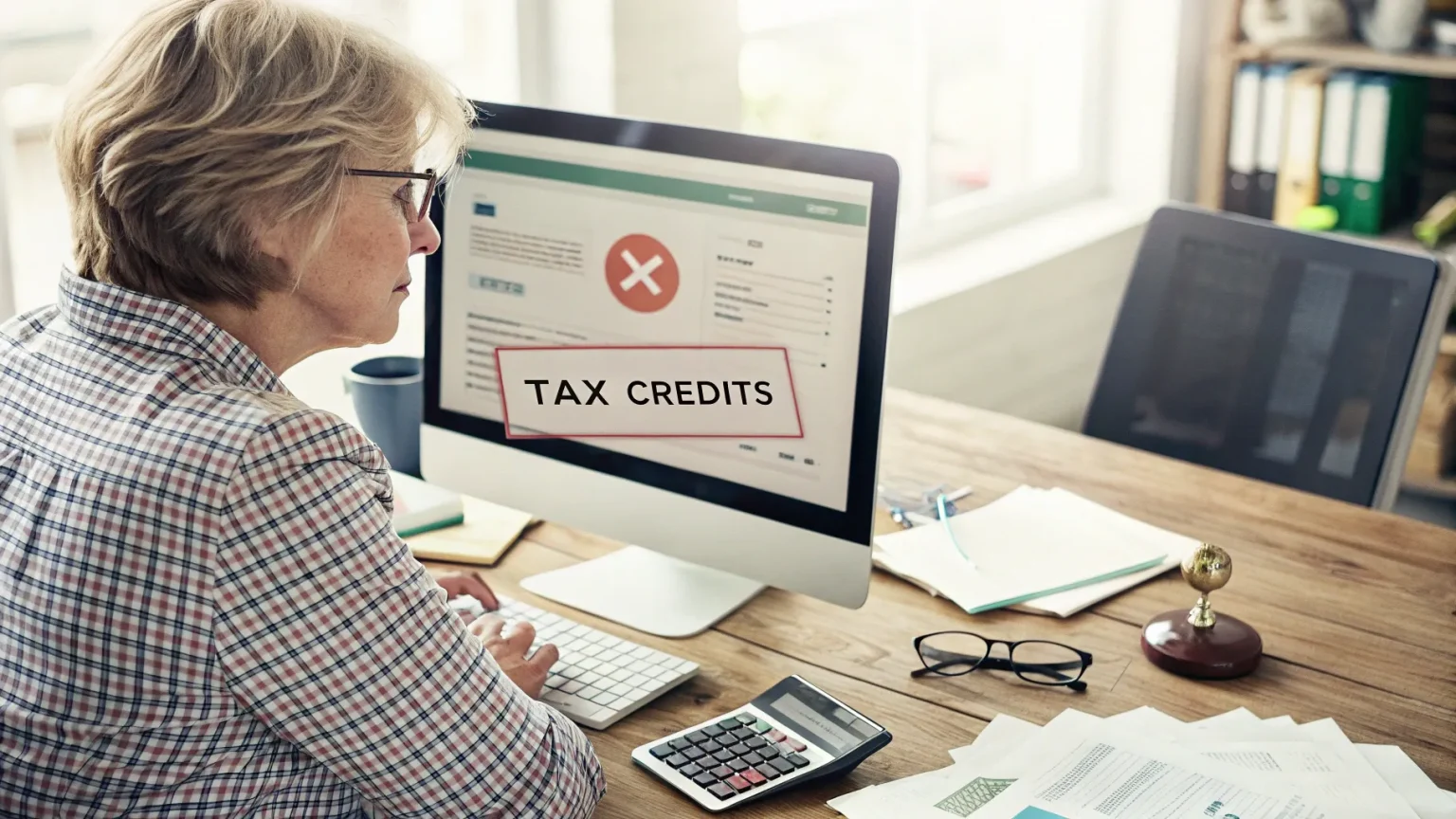
Every filing season I get the same panicked message from a self-employed client: a post on social media promised a huge refund through some obscure credit, they claimed it, and now the IRS is asking questions. Tax credit scams have moved from shady email chains to slick social videos, and they are pushing honest filers into ineligible claims and costly penalties. The most common version right now involves the fuel tax credit, a narrow business credit that almost no individual qualifies for.
This guide explains how tax credit scams work, the penalties they trigger, and how self-employed filers can protect themselves while still claiming every credit they legitimately deserve.
How tax credit scams spread
The pattern is consistent. A post claims you are owed thousands through a credit your preparer supposedly never told you about. It urges you to amend a return or file a new claim, sometimes with a paid promoter taking a cut. The credits named are usually real, such as the fuel tax credit, the sick and family leave credit, or household employment credits, but they apply only to narrow situations. The IRS consumer alerts page tracks the schemes that surge each season.
The penalties are real
Claiming a credit you do not qualify for is not a harmless gamble. The IRS can assess a penalty of up to $5,000 for filing a frivolous tax return, on top of repaying the improper refund with interest. Repeated or willful claims can escalate to fraud penalties. When a promoter pockets a fee and disappears, the filer is left holding the bill. That asymmetry is exactly why tax credit scams keep spreading.
How self-employed filers can stay safe
Self-employed taxpayers are prime targets because they do have access to real business credits, which makes a fake one feel plausible. Protect yourself with a few habits:
- Be skeptical of any credit you learned about from social media rather than a professional.
- Never let a preparer file a credit they will not explain in plain language.
- Avoid preparers who base their fee on the size of your refund.
- Keep records that support every deduction and credit you claim.
The Federal Trade Commission also tracks tax-related scams and is a good place to report a promoter who pressured you.
Claim the credits you actually qualify for
Avoiding scams does not mean leaving money on the table. The goal is to claim real credits with clean documentation. Knowing which forms apply to your situation is the foundation, and our guide to essential forms for self-employed professionals is a good starting point. For state-specific obligations, our self-employment tax guide shows how the pieces fit together.
Good records are your best defense. If your bookkeeping is loose, a legitimate credit can look suspicious and a scam can slip through unnoticed. Our bookkeeping guide covers the habits that make tax season boring, which is exactly what you want.
The bottom line
If a tax credit sounds too good to be true and came from a stranger online, it almost certainly is. Work with a reputable preparer, document everything, and claim only what you can support. That approach keeps your refund honest and your name off an IRS penalty notice.
Frequently asked questions
What are tax credit scams?
They are schemes, often spread on social media, that urge filers to claim credits they do not qualify for, such as the fuel tax credit, frequently with a promoter taking a fee.
What penalty can I face for a false claim?
The IRS can assess up to $5,000 for a frivolous tax return, plus repayment of any improper refund with interest, and steeper penalties for willful fraud.
Why is the fuel tax credit a common scam?
It is a real but narrow business credit that almost no individual qualifies for, so promoters exploit its legitimacy to make a false claim look believable.
How can self-employed filers avoid these scams?
Be skeptical of credits from social media, use a preparer who explains every claim, avoid fee-based-on-refund arrangements, and keep supporting records.
What should I do if I already filed a false claim?
Contact a reputable tax professional promptly to amend the return and correct the claim before the IRS escalates, which can reduce penalties.
Where can I check current tax scams?
The IRS consumer alerts page lists active schemes, and the FTC accepts reports of fraudulent preparers and promoters.


