

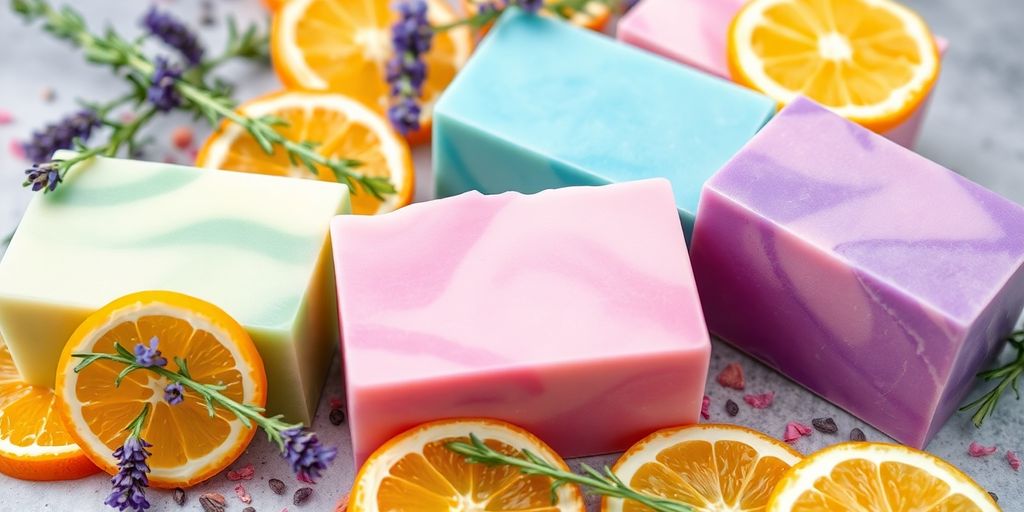
After helping dozens of aspiring entrepreneurs launch handmade product businesses, I can tell you that a soap making business is one of the most accessible ways to turn a creative passion into real income. The startup costs are low, the margins are strong, and the demand for handmade, natural soap continues to grow as consumers move away from mass-produced alternatives. In my experience, the people who succeed in this space are the ones who treat it like a real business from day one.
This guide walks you through every step of building a soap making business, from choosing your first recipe to scaling into wholesale and online sales. Whether you want a profitable side hustle or a full-time income, the process starts here.
Why a soap making business is worth starting
The handmade soap market has grown significantly over the past several years, driven by consumer interest in natural ingredients and small-batch products. According to the U.S. Small Business Administration, home-based product businesses like soap making are among the lowest-cost ventures to launch, often requiring less than $1,000 in initial investment.
What makes this business especially attractive is the repeat purchase cycle. Soap is a consumable product, which means customers come back regularly once they find a brand they trust. I have seen soap makers build loyal followings within their first year simply by offering a consistent, quality product and showing up at local markets.
Profit margins on handmade soap typically range from 50% to 80%, depending on your ingredients and pricing strategy. A single bar that costs $1.50 to $3.00 to make can sell for $6 to $12 at retail, and even higher for specialty formulations.
Create a business plan before you pour your first batch
Skipping the planning phase is the most common mistake new soap makers commit. A simple business plan does not need to be 30 pages long, but it should answer three core questions: who are you selling to, how will you reach them, and what does the financial picture look like?
Start by identifying your target customer. Are you making luxury artisan bars for gift shoppers? Gentle, fragrance-free soap for people with sensitive skin? Budget-friendly natural alternatives for families? Each audience shapes your ingredients, packaging, pricing, and marketing.
Next, map out your startup costs. Most home-based soap businesses can launch with the following budget:
| Category | Estimated cost |
|---|---|
| Oils, butters, and lye | $150 to $300 |
| Fragrances and colorants | $50 to $150 |
| Molds and equipment | $100 to $250 |
| Packaging and labels | $75 to $200 |
| Business registration and permits | $50 to $200 |
| Website or marketplace fees | $0 to $150 |
Set a realistic revenue goal for your first six months. Many soap makers I have worked with aim to cover their startup costs within the first 90 days, then build toward $500 to $1,000 per month in profit by month six.
Choosing ingredients and equipment for your soap making business
The quality of your soap depends entirely on what goes into it. Cold process soap, which is the most popular method for small businesses, requires a combination of oils, lye (sodium hydroxide), water, and optional additives like essential oils, clays, or botanicals.
For your base oils, start with a proven combination. Olive oil provides a gentle, moisturizing bar. Coconut oil creates lather and hardness. Shea butter or cocoa butter adds creaminess. You can source these from wholesale suppliers like Bramble Berry or Wholesale Supplies Plus, both of which cater specifically to soap makers.
On the equipment side, you need a few essentials: a digital kitchen scale accurate to 0.1 grams, a stick blender, heat-safe mixing containers, silicone molds, a thermometer, and safety gear including goggles and gloves for handling lye. The total investment for a basic setup runs between $100 and $250.
One lesson I learned early on: do not cut corners on your scale. Soap making is chemistry, and precision matters. An inaccurate measurement can ruin an entire batch or produce a bar that irritates skin.
Understand the legal requirements
Selling soap is legal in all 50 states, but there are regulations you need to follow. The FDA classifies handmade soap as a cosmetic, which means your labeling must include the product name, net weight, ingredient list, and your business name and address.
If you make any claims beyond basic cleansing, such as treating acne or having antibacterial properties, your soap may be classified as a drug, which triggers much stricter regulatory requirements. My advice is to keep your claims focused on the sensory experience and ingredient quality rather than health benefits.
You will also need to register your business with your state. Most soap makers start as a sole proprietorship or single-member LLC. An LLC offers liability protection that separates your personal assets from your business, which is worth the small filing fee. Check with your local city or county clerk about any required home business permits or zoning restrictions.
Do not forget about sales tax. If your state charges sales tax on tangible goods, you will need a seller’s permit and will be responsible for collecting and remitting tax on each sale. Your state’s department of revenue website will have the specific details for your location.
Build a brand that stands out
In a crowded market, your brand is what makes people choose your soap over the dozens of other options on the shelf. Branding goes beyond a logo. It includes your product names, packaging design, color palette, photography style, and the story you tell about why you make soap.
The most successful soap makers I know have a clear point of view. One focuses exclusively on unscented bars for people with eczema. Another makes bold, colorful bars inspired by desserts. A third sources every ingredient from farms within 50 miles of her studio. Each of these approaches creates a memorable identity that attracts a specific audience.
Invest in professional-looking labels and packaging early. You can design labels affordably using Canva and print them through services like Avery or Sticker Mule. First impressions matter, and customers absolutely judge soap by its wrapper.
Where to sell your handmade soap
You have more sales channels available than ever before. The best approach is to start with one or two channels, master them, and expand from there.
Local farmers markets and craft fairs are excellent starting points. They let you interact directly with customers, get immediate feedback, and build a local following. Many soap makers generate $300 to $800 per market day once they have an established presence. If you are looking for ways to turn your skills into income, a self-employment ideas guide can help you explore related opportunities.
Online sales through Etsy, Shopify, or your own website open up a national audience. Etsy works well for new sellers because it has built-in traffic from people already searching for handmade soap. As your brand grows, moving to your own Shopify store gives you more control over margins and customer relationships.
Wholesale is another strong channel. Approach local boutiques, gift shops, spas, and hotels with a line sheet showing your products, wholesale pricing (typically 50% of retail), and minimum order quantities. Many small retailers are eager to stock locally made products.
Keeping track of income from multiple channels is essential. A solid bookkeeping system will save you headaches when tax season arrives and help you understand which channels are most profitable.
Marketing strategies that work for soap makers
Social media is the most powerful free marketing tool for a soap making business. Instagram and TikTok are especially effective because soap is a visual product. Videos of the cutting process, swirl techniques, and ingredient sourcing consistently perform well. I have seen soap makers gain thousands of followers from a single satisfying cut video.
Email marketing is underrated in this space. Collect email addresses at markets and through your website, then send a monthly newsletter with new product launches, behind-the-scenes content, and exclusive offers. Email converts at a much higher rate than social media because you are reaching people who already chose to hear from you.
Word of mouth remains the most reliable growth engine. Every bar of soap is a potential referral if the quality and presentation are right. Consider including a small card in each order that encourages customers to share their experience or leave a review.
Scaling your soap making business over time
Once you have consistent sales and positive feedback, it is time to think about growth. Scaling a soap business typically happens in stages.
First, expand your product line thoughtfully. Add complementary items like lip balms, lotion bars, bath bombs, or shampoo bars. These increase your average order value without requiring completely new skills or equipment. Understanding the essential forms for self-employed professionals will help you stay organized as your business grows.
Second, improve your production efficiency. Invest in larger molds, a slab cutter, and bulk ingredient purchasing. Moving from 4-bar molds to 20-bar slab molds can cut your production time per bar by more than half.
Third, consider your workspace. Many soap makers start in their kitchen and eventually move to a dedicated studio space, whether that is a converted garage, basement, or rented commercial kitchen. A dedicated space improves safety, organization, and your ability to produce larger batches.
Quality control and consistency
Customers expect every bar to look, smell, and perform the same way each time they order. This is where many growing soap businesses struggle. The solution is documentation.
Write down every recipe with exact measurements, temperatures, and timing. Note the brand and lot number of each ingredient. Track cure times and test bars from each batch before selling. This level of detail might feel excessive early on, but it becomes critical as you scale.
If a customer reports an issue, your records let you trace the problem back to a specific batch and ingredient. Without that documentation, you are guessing, and guessing can cost you customers and credibility.
Sustainability practices that build customer loyalty
Consumers increasingly care about how products are made and where ingredients come from. Incorporating sustainable practices into your soap making business is not just good ethics, it is good business strategy.
Source oils that are responsibly produced. If you use palm oil, choose RSPO-certified suppliers. Use minimal packaging and opt for recyclable or compostable materials when possible. Offer a refill or return program for loyal customers.
Be transparent about your practices. Customers appreciate honesty about what you are doing well and where you are still improving. That authenticity builds trust and long-term loyalty in a way that greenwashing never will.
Frequently asked questions
How much does it cost to start a soap making business?
Most home-based soap making businesses can launch for $500 to $1,000. This covers basic ingredients, equipment, packaging, labels, and business registration fees. You can start even smaller by making a few test batches with minimal supplies before investing in bulk quantities.
Do I need a license to sell handmade soap?
You typically need a general business license and a seller’s permit for collecting sales tax. The FDA does not require approval to sell soap, but your labels must meet cosmetic labeling requirements. Check your state and local regulations for any additional permits, especially if you are operating from home.
How much can you make with a soap making business?
Earnings vary widely based on your sales channels and volume. Part-time soap makers selling at markets and online often earn $500 to $2,000 per month. Full-time sellers with wholesale accounts and a strong online presence can generate $5,000 to $15,000 or more per month in revenue.
What is the best soap making method for beginners?
Cold process soap making is the most popular method for small businesses. It gives you full control over ingredients and design, produces a high-quality bar, and allows for creative techniques like swirling and layering. Melt and pour is simpler but offers less customization and lower profit margins.
Where is the best place to sell handmade soap?
Farmers markets and craft fairs are ideal for building a local customer base. Etsy is the strongest online marketplace for handmade goods. As your business grows, adding your own website through Shopify and pursuing wholesale accounts with local retailers will diversify your revenue streams.
How long does it take for a soap making business to become profitable?
Many soap makers cover their initial startup costs within the first two to three months of selling. Reaching consistent monthly profit usually takes three to six months, depending on how aggressively you market and how many sales channels you pursue.
Is soap making a good side hustle?
Soap making is one of the best side hustles for creative people because of its low startup costs, high profit margins, and flexible schedule. You can make soap on evenings and weekends and sell at weekend markets or through an online store without needing to quit your day job.


