

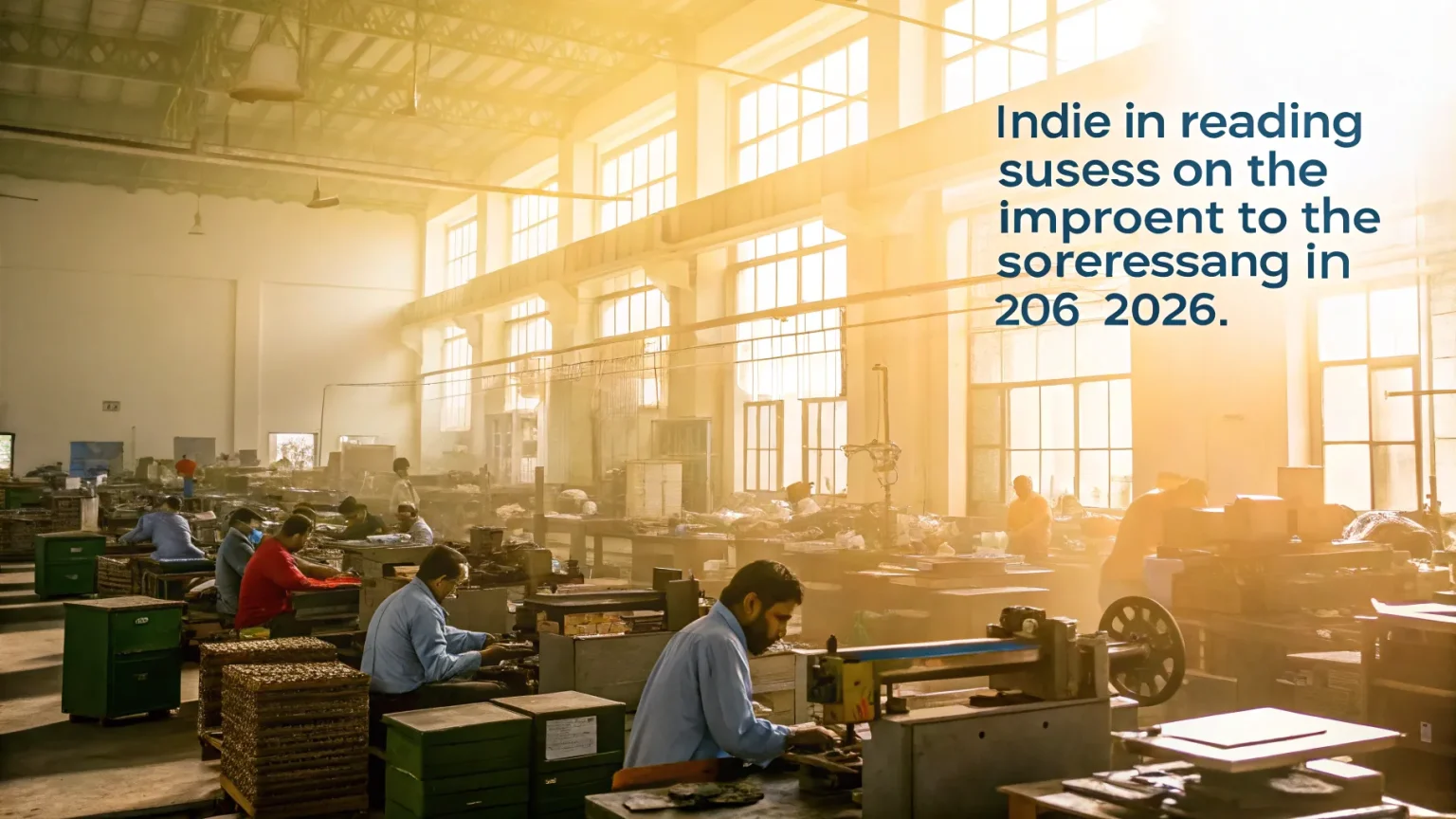
India enters its budget season with momentum building in factories and offices, as stronger household demand and rising investment lift growth expectations. The India 2026 budget arrives as policymakers prepare a fiscal blueprint that could shape jobs, prices, and the pace of development for the year ahead. For self-employed professionals who work with Indian clients, hire offshore talent, or simply track global markets, the plan is worth watching closely.
The budget, due in the first half of the year, follows steady gains in manufacturing and services. Analysts say the twin supports of consumption and capital spending have improved the outlook, and some forecasters are raising projections, citing healthier order books and fresh project pipelines.
What is driving momentum into the India 2026 budget
Two forces are at work. People are spending more, and companies are investing in new capacity. Urban consumers are buying discretionary goods again, rural demand is stabilizing as incomes recover, and corporate balance sheets have improved enough to give firms room to invest.
Higher government capital spending in recent years helped draw in private projects, and more sectors are now seeing capacity expansion plans. Banks report healthier credit demand from industry and small businesses. This mix feeds jobs and incomes, which cycle back into spending. The International Monetary Fund tracks these dynamics in its World Economic Outlook.
Manufacturing and services outlook
Factories tied to electronics, auto components, pharmaceuticals, and chemicals are seeing steady orders. Production-linked incentives introduced earlier in the decade supported select industries and exports, and supply chain shifts across Asia have nudged multinational firms to source and assemble more in India.
On the services side, technology and business services continue to earn foreign revenue, while domestic services such as travel, healthcare, and finance benefit from pent-up demand and digital adoption. Together, these sectors broaden the base of growth that the India 2026 budget will try to sustain.
What the India 2026 budget could prioritize
With activity improving, the budget is likely to balance growth support with fiscal discipline. Economists expect attention on job creation, manufacturing depth, and relief for smaller firms. Stable tax policy and quicker project clearances remain top business priorities.
- Capital spending on transport, energy, and logistics to ease bottlenecks.
- Measures to deepen credit access for small firms and startups.
- Support for skilling, apprenticeships, and workforce participation.
- Domestic manufacturing incentives tied to productivity and exports.
- Green energy and efficiency programs to cut costs and imports.
State governments may also receive support for urban infrastructure, water, and housing, projects that tend to have strong local job effects and can anchor nearby private investment.
Why the India 2026 budget matters to self-employed readers
You may not file taxes in India, but its economy touches many independent businesses. Freelancers and small agencies often hire developers, designers, and virtual assistants based there, and a budget that boosts skilling and digital infrastructure can expand that talent pool. Owners who sell software, courses, or services globally also benefit from a growing middle class with more to spend.
If you outsource or sell internationally, keeping clean records of cross-border payments is essential. Our self-employed bookkeeping guide covers the basics, and our self-employment ideas guide explores globally scalable models. For tax documentation tied to contractors, our essential forms for self-employed professionals is a handy reference.
Risks and pressures to monitor
Inflation management remains a priority. Food prices can be volatile, and global commodity swings affect input costs, so a weak monsoon or external shock could test household budgets. Global demand is another swing factor, since slower growth in key export markets would weigh on factories and technology services. Maintaining supply chain reliability and trade facilitation can help cushion those risks.
Fiscal path and reform signals
Markets will watch the fiscal glide path, borrowing plans, and the quality of spending. A clear path to narrower deficits, paired with targeted capital outlays, would reassure investors. Steps to simplify compliance, improve contract enforcement, and speed approvals could lift private confidence further. Reforms that strengthen logistics, energy reliability, and land availability would lower costs, while continued improvements in digital public infrastructure can expand access to payments, credit, and services for smaller firms and households. The World Bank’s India overview offers useful context on these reform priorities.
Why expert sentiment is improving
Stronger demand, cleaner balance sheets, and a healthy project pipeline are lifting forecasts. Upgrades to growth expectations reflect more than a quarter or two of momentum, suggesting confidence that both engines, consumption and investment, are working together. The India 2026 budget will test how policy can lock in these gains while keeping prices stable and debt manageable. The key signals to watch are the deficit target, the investment push, and steps that make it easier to build and hire.
What global freelancers should take from the India 2026 budget
If your independent business reaches across borders, the India 2026 budget is more than distant news. A budget that funds digital infrastructure, skilling, and small-firm credit tends to enlarge the global pool of skilled contractors and the base of customers who can afford your products. Freelancers who build teams or sell internationally feel these shifts even without filing a single Indian tax form.
The practical takeaway is to watch for signals that matter to your model. If you hire developers, designers, or virtual assistants, investments in training can raise the quality and availability of talent. If you sell software, courses, or services, a growing middle class means more potential buyers. Either way, the trend rewards owners who can operate flexibly across time zones and currencies.
Cross-border work also raises practical questions about contracts, payments, and tax documentation. Setting up clean systems early prevents headaches later, especially when you pay overseas contractors or collect revenue in multiple currencies. The India 2026 budget is one more reminder that independent businesses increasingly compete and collaborate on a global stage.
When is the India 2026 budget expected?
India’s union budget is typically presented in the first half of the year. The India 2026 budget is expected during this window, setting fiscal priorities for jobs, infrastructure, and growth.
What is driving India’s growth heading into the budget?
Two engines are driving growth: rising private consumption and increased investment by both government and companies. Stronger manufacturing and services activity, along with healthier corporate balance sheets, support the improved outlook.
How could the India 2026 budget affect self-employed people abroad?
Owners who hire Indian contractors or sell internationally may benefit from investments in skilling and digital infrastructure, plus a growing consumer base. A stronger Indian economy can expand both talent pools and markets.
What are the main risks to India’s outlook?
Key risks include inflation, especially volatile food prices, a weak monsoon, global commodity swings, and slower demand in major export markets. Supply chain reliability also affects the outlook.
What might the budget prioritize?
Likely priorities include capital spending on infrastructure, credit access for small firms, skilling programs, domestic manufacturing incentives, and green energy. Fiscal discipline and stable tax policy are also expected focus areas.
Where can I follow India’s economic outlook?
Reliable sources include the International Monetary Fund World Economic Outlook and the World Bank India overview, both of which track growth, reforms, and risks on a regular basis.


