

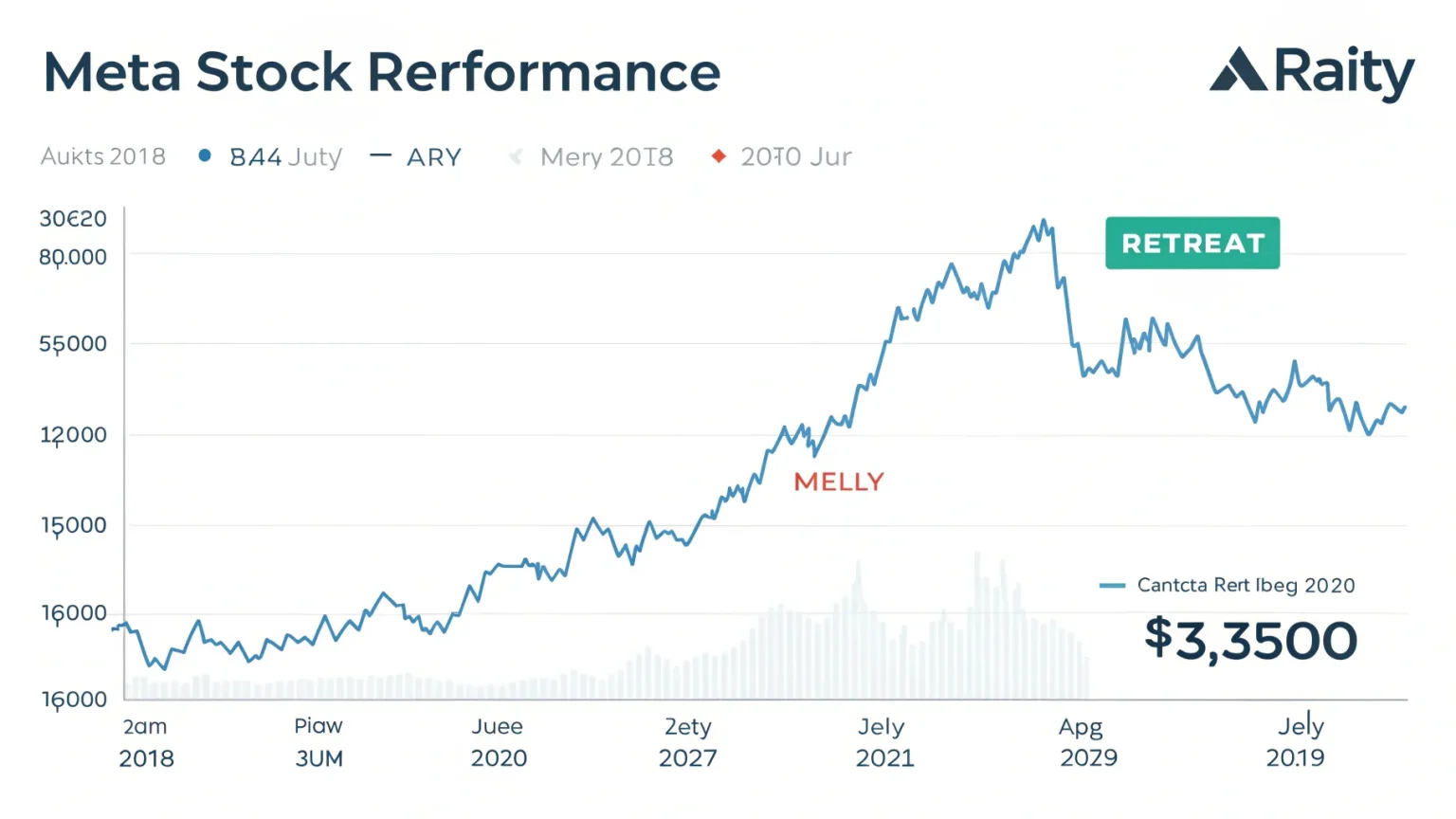
Meta’s stock has slipped from recent record highs, tempering the sharp gains that followed its late-July second-quarter report. The move comes as investors reassess spending plans, valuation, and broader market conditions. The pullback highlights a common post-earnings pattern, even when results exceed expectations.
The company behind Facebook, Instagram, WhatsApp, and Threads delivered strong numbers in the summer quarter and issued upbeat commentary. Shares jumped to new highs in the days that followed. Since then, profit-taking and concerns about rising costs have cooled the rally.
Strong Results, Softer Tape
Meta stock has pulled back from the record highs it reached following second-quarter results that “blew the doors off” in late July.
Investors cheered higher advertising revenue and steady engagement across Meta’s apps. Reels usage and messaging ad formats have been key drivers. Still, the stock often prices in good news ahead of earnings, making any surge hard to sustain.
Market strategists point to a mix of factors. Some shareholders are locking in gains after a long run. Others are focusing on the expense outlook tied to artificial intelligence infrastructure and data centers. A softer market in August and early September has also weighed on large-cap tech.
What Is Fueling the Pullback
Several forces can pressure a stock even after a strong report. Valuation expands during a rally. Then expectations get harder to beat quarter by quarter. When guidance signals higher spending, investors recalculate future margins and free cash flow.
- Profit-taking after a record-setting run
- Higher capital spending tied to AI and data centers
- Market-wide volatility and interest rate worries
- Regulatory scrutiny on privacy, teen safety, and competition
Meta’s plan to invest in AI recommendation engines, ad tools, and large-scale compute is central to its strategy. Those investments can improve product quality and monetization over time. But they also raise near-term costs, which can weigh on sentiment.
Industry Context and Competitive Pressures
Digital advertising remains resilient. Brands continue to spend on performance marketing, where Meta’s platforms excel. New ad formats in Reels and WhatsApp help offset shifts in user behavior. Threads is still early, yet it adds another surface for engagement.
Competition is still intense. Short-form video rivals fight for attention. Apple’s privacy changes continue to shape ad measurement. These currents introduce uncertainty to forecasting, even when quarterly trends are strong.
What Analysts Are Watching Next
Analysts are tracking three themes. First, the path of ad demand into the holiday season. Second, how quickly AI-driven ad products lift returns on ad spend for marketers. Third, the scale and timing of capital expenditures for compute and data center buildouts.
Investors will also watch regulatory developments in the United States and Europe. Any new rules on data usage or youth protections could influence product design and ad targeting. That policy backdrop remains in flux and can affect multiples for large internet platforms.
Comparisons With Prior Pullbacks
Post-earnings reversals are not uncommon for mega-cap tech stocks. Rallies on positive surprises can be followed by weeks of consolidation. In past cycles, shares often stabilized once spending clarity improved and macro pressures eased.
For Meta, clarity on expense growth and the payoff from AI tools has been a stabilizing signal before. Evidence of better ad performance and improved measurement often restores confidence when markets wobble.
Meta’s dip from record highs reflects a recalibration rather than a shift in the core story. The company posted strong results and is spending to sustain growth in ads and AI. The main debate is about near-term margins versus long-term gains. Investors should watch upcoming updates on ad demand, capex timing, and regulatory risk. If the company shows operating discipline while advancing AI-driven ad performance, sentiment could firm into year-end.


