

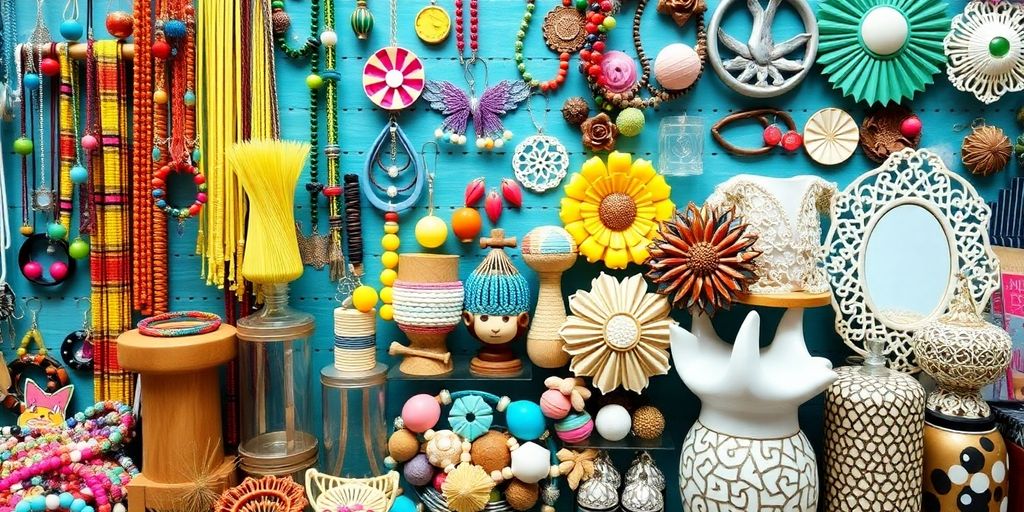
Every self-employed crafter eventually asks the same question: which handmade items actually make money after materials, time, and fees? The difference between a profitable craft business and an expensive hobby comes down to understanding profit margins, not just what looks pretty on a Pinterest board. After helping dozens of crafters analyze their pricing and product mix, I put together this guide to the most profitable crafts to sell, complete with real cost breakdowns so you can see exactly where the margin lives.
Whether you are launching your first Etsy shop, selling at local craft fairs, or scaling a handmade business you have run for years, the crafts below consistently deliver strong returns. The tables in each section break down material costs, realistic selling prices, and estimated profit margins so you can compare opportunities at a glance. If you are still deciding what kind of business to launch, my self-employment ideas guide walks through several alternatives.
Most profitable crafts to sell at a glance
Before diving into the details, here is a quick comparison of the most profitable crafts to sell ranked by estimated profit margin. These figures assume you are sourcing materials at reasonable wholesale or bulk prices and selling through platforms like Etsy, Shopify, or craft fairs.
| Craft | Material Cost | Typical Selling Price | Estimated Profit Margin |
|---|---|---|---|
| Digital Printables | $0 | $5 – $25 | 90 – 95% |
| Handmade Soap | $1 – $2 per bar | $6 – $12 | 75 – 85% |
| Bath Bombs | $0.50 – $1.50 | $5 – $15 | 75 – 85% |
| Custom Pens | $1 – $5 | $10 – $20 | 70 – 85% |
| Personalized Jewelry | $3 – $10 | $25 – $75 | 70 – 80% |
| Handmade Candles | $3 – $6 | $15 – $40 | 65 – 80% |
| Pet Bandanas | $1 – $2 | $10 – $20 | 70 – 80% |
| Resin Crafts | $3 – $8 | $15 – $60 | 65 – 80% |
| Macrame Wall Hangings | $5 – $15 | $30 – $150 | 65 – 75% |
| Custom Mugs | $1 – $3 | $15 – $30 | 70 – 80% |
| Holiday Ornaments | $1 – $4 | $10 – $30 | 65 – 75% |
| Crochet Accessories | $2 – $8 | $15 – $40 | 60 – 75% |
| Natural Skincare | $3 – $8 | $15 – $40 | 60 – 75% |
| Calligraphy Art | $2 – $5 | $20 – $80 | 65 – 80% |
| Engraved Cutting Boards | $8 – $15 | $35 – $75 | 55 – 70% |
| Custom T-Shirts | $5 – $10 | $20 – $35 | 55 – 70% |
| Tufted Rugs | $15 – $40 | $80 – $300 | 60 – 75% |
| Watercolor Paintings | $3 – $10 | $30 – $200 | 60 – 80% |
| Wreaths and Garlands | $10 – $25 | $40 – $100 | 55 – 70% |
| Leather Goods | $10 – $30 | $50 – $200 | 55 – 70% |
| Upcycled Clothing | $2 – $10 | $25 – $75 | 60 – 80% |
| Ceramics and Pottery | $5 – $15 | $25 – $100 | 55 – 70% |
The pattern is clear: the most profitable crafts to sell tend to share three traits. They use inexpensive materials, they carry high perceived value because they are handmade or personalized, and they appeal to gift buyers who are less price-sensitive than people shopping for themselves.
Most profitable jewelry and accessories to sell
Jewelry has been one of the most profitable crafts to sell for decades, and the market continues to grow as buyers prioritize unique, handmade pieces over mass-produced options. Raw materials like beads, wire, resin, and polymer clay cost very little while finished pieces command prices that reflect craftsmanship and personalization.
Personalization is what separates a $12 bracelet from a $40 bracelet. Engraved names, birthstones, initials, and custom messages transform a simple piece into a meaningful gift, and gift buyers consistently pay premium prices. If you are entering the jewelry space, leaning into customization will push your average order value significantly higher than selling generic designs.
Polymer clay and resin earrings are particularly strong sellers because they combine extremely low material costs with Instagram-friendly aesthetics that drive organic traffic. A single pack of polymer clay costing under $10 can produce dozens of pairs of earrings, making the per-unit cost almost negligible.
Most profitable home decor crafts to sell
Home decor is one of the largest and most consistently profitable craft categories because buyers are willing to pay premium prices for items that make their living spaces feel unique. Unlike mass-produced decor from big-box retailers, handmade pieces carry an emotional value that justifies higher pricing.
Macrame wall hangings and tufted rugs stand out as two of the most profitable crafts to sell in the home decor space. Macrame requires minimal investment since the primary material is cotton cord at a few dollars per skein, while finished pieces regularly sell for $50 to $150 depending on size and complexity. Tufted rugs have emerged as a trending craft with strong demand on platforms like Etsy and Instagram, and custom designs can command $200 or more for a single piece.
Handmade candles remain a perennial winner because they combine low material costs with broad appeal. Soy wax, fragrance oils, and containers are inexpensive when purchased in bulk, and the finished product can be positioned as a luxury item through branding and packaging.
Most profitable bath and beauty crafts to sell
The clean beauty and self-care movement has turned handmade bath and beauty products into one of the most profitable craft categories. Consumers actively seek out natural, small-batch alternatives to mass-produced products, and they are willing to pay a premium for ingredients they can understand and trust.
Handmade soap and bath bombs consistently rank among the most profitable crafts to sell because of the enormous gap between material cost and perceived value. A single bar of cold-process soap costs roughly $1 to $2 in ingredients but sells for $6 to $12 at retail, and the margins improve further when you sell gift sets of three or five bars at a bundled price.
A key consideration with bath and beauty products is regulatory compliance. Depending on your state, you may need to follow FDA labeling guidelines for cosmetic products, which requires listing all ingredients and following specific formats. Factor this into your process from the start to avoid issues as you scale.
Most profitable digital and print crafts to sell
Digital products are in a class of their own when it comes to profit margins because there is virtually no marginal cost after the initial creation. Once you design a digital printable, illustration, or template, every subsequent sale is almost pure profit.
Digital printables are the single most profitable craft you can sell when measured by profit margin alone. Wall art printables, wedding invitation templates, digital planners, and SVG cut files for Cricut and Silhouette machines all have zero material costs per sale and require no shipping. The only investment is your time creating the original design, and from there every sale drops almost entirely to your bottom line after platform fees.
Physical art prints and calligraphy pieces are also excellent margin crafts. Watercolor originals can command $50 to $200 or more depending on size and artist reputation, while prints of the same piece can be sold repeatedly at $15 to $50 each.
Most profitable textile and fiber crafts to sell
Textile crafts reward patience and skill with strong profit margins, especially when you target niches where handmade quality is visibly superior to machine-made alternatives.
Crochet and knitted accessories are among the most profitable crafts to sell in the textile space, with small items like scrunchies and headbands offering the best return on time invested. A crochet scrunchie takes 15 to 20 minutes to make, costs under $2 in yarn, and sells for $8 to $15. That kind of time-to-profit ratio is hard to beat.
Pet accessories deserve special attention as a growing niche. The pet industry continues to expand year over year, and pet owners are enthusiastic spenders when it comes to their animals. Bandanas are the entry point since they are quick to sew, cost almost nothing in fabric, and sell consistently.
Upcycled clothing taps into the sustainable fashion movement and offers exceptional margins because your raw material is essentially free or close to it. Thrift store finds costing $2 to $5 can be transformed into trendy pieces selling for $25 to $75.
Where to sell your profitable crafts
Choosing the right selling platform matters almost as much as choosing the right craft. Each platform has its own fee structure, audience, and competitive dynamics, and the most successful craft sellers typically use a combination of channels.
Etsy remains the dominant marketplace for handmade goods, with a built-in audience of buyers specifically looking for unique, handcrafted items. Shopify and similar platforms give you a standalone online store with more control over branding, pricing, and customer relationships. Local craft fairs and farmers markets offer face-to-face selling that many crafters find more rewarding than online sales.
Social media selling through Instagram, TikTok Shop, and Facebook Marketplace has become increasingly effective for craft businesses. These platforms excel at visual storytelling, and short-form video content showing the crafting process consistently drives strong engagement and sales.
How to price your crafts for maximum profit
The most common mistake new craft sellers make is pricing too low. Underpricing not only cuts into your margins but actually signals to buyers that your products are low quality. A reliable pricing formula for handmade goods accounts for materials, labor, overhead, and profit.
A widely used approach is the cost-plus method: add up your material costs, calculate your labor at a fair hourly rate (at least $15 to $25 per hour), add a percentage for overhead like packaging and platform fees, and then apply a markup for profit. Most successful craft sellers price their finished goods at three to four times their total material cost as a starting baseline.
Tax and bookkeeping basics for craft sellers
Once your craft business starts producing income, you become responsible for tracking it like a real business. The IRS treats craft income as self-employment earnings once you cross $400 in net profit. My self-employed bookkeeping step-by-step guide walks through how to set up clean records, and our guide to essential forms for self-employed professionals covers the tax forms you will need at year end. The IRS Self-Employed Tax Center is also a free resource worth bookmarking.
Frequently asked questions
What are the most profitable crafts to sell?
The most profitable crafts to sell by margin include digital printables (90 to 95 percent margin), handmade soap and bath bombs (75 to 85 percent margin), personalized jewelry (70 to 80 percent margin), and handmade candles (65 to 80 percent margin).
How much money can you make selling crafts?
Part-time craft sellers typically earn $500 to $2,000 per month, while full-time sellers with established shops on Etsy or Shopify can earn $3,000 to $10,000 or more monthly. The highest earners focus on personalized items, digital products, or luxury handmade goods.
What crafts sell best on Etsy?
The best-selling craft categories on Etsy include personalized jewelry, digital printables and planners, handmade candles, stickers, and custom home decor items like engraved cutting boards and name signs.
What is the easiest profitable craft to start with?
Digital printables are the easiest profitable craft to start because they require no physical materials, no shipping, and no inventory. If you prefer physical products, bath bombs, handmade soap, and polymer clay earrings are excellent beginner crafts.
Do I need a business license to sell crafts?
Most states require some form of business registration if you are regularly selling crafts for profit. You may need a general business license, a sales tax permit to collect state sales tax, and potentially a home occupation permit if you work from home.
How do I price my handmade crafts?
A reliable formula is to calculate your total material costs, add your labor at a fair hourly rate, add a percentage for overhead like packaging and platform fees, and then apply a markup for profit. Most successful sellers price finished goods at three to four times total material cost as a baseline.
What crafts have the highest profit margins?
Digital products like printable wall art, planners, and SVG files have the highest profit margins at 90 to 95 percent because they have no material or shipping costs per sale. Among physical crafts, handmade soap, bath bombs, lip balm, and polymer clay earrings offer the best margins at 75 to 85 percent.


