

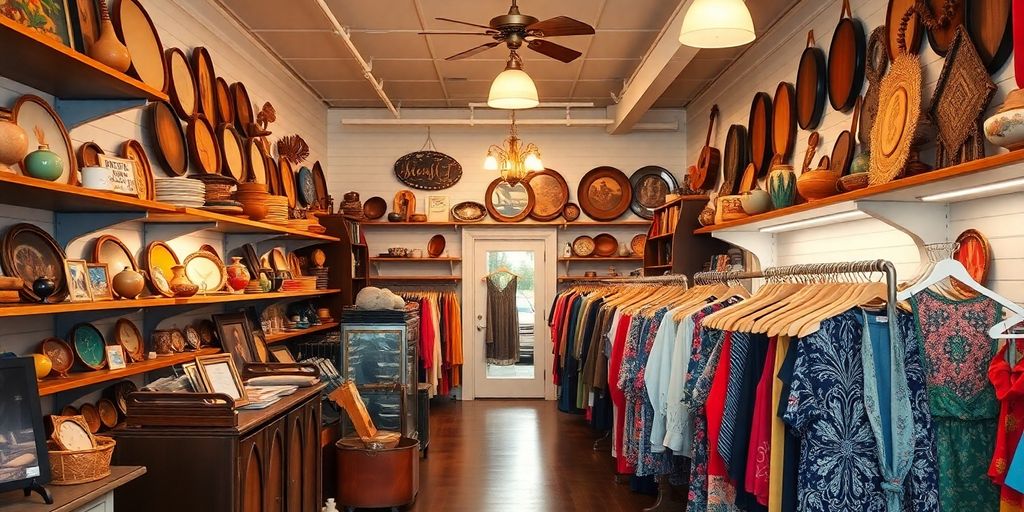
After walking more than a dozen clients through the process of opening their own resale shops, I can tell you that a consignment business is one of the few retail models where you can start with almost no inventory of your own and still build a real income. The catch is that the model rewards systems, not hustle. The owners who succeed are the ones who treat intake, pricing, and payouts like a repeatable process from day one.
This guide walks through what a consignment business actually is, how the money moves, the legal and operational setup you cannot skip, and the mistakes I see first-time owners make. By the end you should know whether this is the right model for you and, if it is, exactly how to start.
What a consignment business actually is
A consignment business sells goods on behalf of other people and takes a percentage of each sale. The owner of the item, called the consignor, keeps ownership until the item sells. The shop, called the consignee, handles display, marketing, and checkout in exchange for a cut of the final sale price, typically 40 to 60 percent.
That structure is what makes this model so attractive for new retail owners. You are not buying inventory up front. You are curating, displaying, and selling items that other people already own, which means your capital goes into rent, fixtures, and marketing instead of racks of unsold stock.
How consignment differs from buying outright
In a traditional resale shop, the owner buys items from the public and resells them at a markup. In a consignment shop, no money changes hands until the item sells. This means the shop takes on less inventory risk but also gives up some control. If an item does not sell, it goes back to the consignor or gets donated, depending on the contract.
The most common consignment business models
Not every consignment business looks the same. The niche you pick will shape your customer base, your margins, and the amount of work you put in per item. Here are the models I see my clients choose most often.
Clothing and accessories
Women’s apparel is the largest segment of the consignment market by a wide margin. The upside is constant turnover and a loyal customer base. The downside is that you will be sorting, tagging, and steaming clothes all day. Plan on needing more labor than you think.
Children’s items
Kids outgrow clothes, toys, and gear fast, so parents love a place where they can offload and earn back a little money. Children’s consignment shops often do well in suburban markets and have high volume with lower average sale prices.
Furniture and home goods
This is the highest-margin category I see, but also the most space-intensive. You need a big floor, strong staff for moving pieces, and a delivery plan. When it works, furniture consignment can clear several thousand dollars per week from a single warehouse-style location.
Luxury and designer
Authenticated luxury resale is booming. The shops that do this well invest in authentication training and often charge a lower consignor split because they handle higher-stakes transactions. This niche demands trust, so plan on spending the first year building a reputation before you see real volume.
Specialty categories
I have worked with consignment owners in musical instruments, wedding dresses, sporting goods, and vintage electronics. Specialty niches have less competition but also smaller customer pools, so location and online presence matter more than in general apparel.
How the money actually flows
The numbers behind a consignment business are simple once you see them laid out. Here is how a typical transaction works.
- A consignor brings in items. You sign an agreement and set the price together, or you set it based on your pricing matrix.
- The item sits on the floor for a set consignment period, usually 60 to 90 days.
- When it sells, the sale price is split according to your contract, often 50 percent to the consignor and 50 percent to the shop.
- At the end of the consignment period, unsold items are either returned, donated, or marked down according to the contract.
- Consignors are paid out monthly, either by check, direct deposit, or store credit.
A healthy consignment business runs on volume. If your average sale is 20 dollars and your split is 50 percent, you are clearing 10 dollars per sale before overhead. That means you need hundreds of transactions per week to cover rent, labor, and software. Set your pricing and policies with that reality in mind.
Legal and financial setup
Every consignment business I help get off the ground starts with the same paperwork stack. Skipping any of these items creates trouble down the line.
Business structure and registration
Register as an LLC for liability protection. A sole proprietorship exposes your personal assets if a consignor disputes a payout or a customer is injured in the shop. You will also need a federal EIN from the IRS, a state sales tax permit, and a local business license. The Small Business Administration has a state-by-state tool for the permits you need.
The consignment contract
This is the single most important document in your consignment business. A solid contract covers pricing authority, consignment period, markdown schedule, payout timing, unsold item disposition, and liability for lost or damaged goods. Have a lawyer review your first draft, then reuse it for every consignor going forward.
Sales tax and record keeping
You collect sales tax on the full sale price, not just your share, so make sure your point of sale system is set up correctly. Keep a clean record of every intake, every sale, and every payout. The IRS treats consignor payouts as business expenses, but only if you can document them. For help setting up your books, see our step by step bookkeeping guide.
Insurance
You need general liability insurance at a minimum, and most landlords will require proof before signing a lease. I also recommend contents coverage that specifically includes consigned goods, since a standard policy may exclude items you do not own.
Setting up your first consignment location
A well-laid-out consignment shop makes buyers want to linger and consignors want to come back. These are the elements that matter most.
Location and foot traffic
Look for a space with visible parking, reasonable rent, and neighboring businesses that attract your target customer. A clothing consignment shop near a coffee shop and a yoga studio will outperform the same shop buried in an industrial strip mall. Drive the area at different times of day before you sign anything.
Store layout
Group by category, then by size or price point. Put your highest-margin and newest inventory at the front. Build a clear intake area near the door so consignors do not have to walk through the whole shop with bags of clothes. Keep the back of house organized, because intake days will bury you otherwise.
Point of sale and inventory software
Do not try to run a consignment business on a general retail POS. Look for software built specifically for consignment that tracks consignor balances, auto-calculates splits, prints barcode tags, and handles payouts. Popular options include SimpleConsign, Liberty, and Ricochet. Budget 100 to 300 dollars per month for the software alone.
Marketing your consignment business
You have two audiences: buyers and consignors. Most owners focus only on buyers and then wonder why their racks look thin six months in.
Attracting consignors
Consignors are often locals who are cleaning out closets, downsizing, or moving. Reach them through neighborhood Facebook groups, posts on Nextdoor, flyers at nearby businesses, and an easy-to-find intake schedule on your website. Some of my most successful clients run a referral program that gives existing consignors a small bonus for bringing in new ones.
Attracting buyers
Buyers respond to social proof and fresh inventory. Post new arrivals on Instagram every day. Run a Facebook shop or an Etsy store for your higher-end pieces. Email your list whenever something rare or designer comes in. A consignment business lives or dies on how quickly buyers learn you have something new to see every time they walk in.
Community and reputation
Host intake events, sponsor local fundraisers, and partner with neighborhood schools for fundraising drives. A consignment business is a community business, and the owners who win are the ones who become part of the neighborhood.
Pricing: the art most owners get wrong
Pricing is where I see the most conflict between consignors and shop owners. The consignor thinks their item is worth more than the market will pay. The shop owner knows that overpriced items clog the floor and kill foot traffic.
Build a pricing matrix and stick to it. For clothing, a common starting rule is 25 to 40 percent of the original retail price for items in excellent condition, less for anything worn. For furniture, benchmark against local Facebook Marketplace listings. For luxury or rare items, research recent sold prices on platforms like The RealReal or eBay before you set a number.
Build an automatic markdown schedule into your contract. Items drop 25 percent after 30 days, another 25 percent after 60 days, and get pulled or donated after 90. This keeps inventory moving and trains consignors to price realistically from the start.
Common mistakes new consignment owners make
After years of watching clients stumble into the same pitfalls, here are the ones I see most often.
- Accepting everything. A consignment business is curated retail, not a charity drop-off. Be selective from day one. Every low-quality item takes up space a better item could fill.
- Weak contracts. Handshake deals lead to disputes. Every consignor signs the same written agreement before a single item touches the floor.
- Underpricing labor. Intake, tagging, steaming, and merchandising eat more hours than new owners expect. Price your overhead realistically and raise your split if you have to.
- Ignoring online sales. Your in-store traffic is finite. Adding a website or an online marketplace to your consignment business can double your sales without doubling your rent.
- Skipping payout software. Manual payout tracking creates errors, which destroy consignor trust. Use software that handles this automatically.
Scaling a consignment business
Once your first location is profitable, the question is whether to open a second shop, expand online, or specialize. In my experience, expanding online almost always beats opening a second physical location in the first three years. Online sales let you tap a national customer base without doubling your rent and labor.
If you do go to a second location, wait until your first shop has run at a profit for at least 12 consecutive months and you have a manager you trust running day-to-day operations. The owners who rush to open location two before location one is stable usually end up closing both. For broader guidance on deciding when to grow, see our self-employment ideas guide and our essential forms checklist.
Is a consignment business right for you
A consignment business rewards people who like retail, enjoy curation, and have the patience to build trust with consignors over time. It does not reward people who want a passive income stream or who struggle with constant customer interaction. If you love retail and you are willing to do the operational work, this is one of the most accessible paths into brick and mortar that exists today.
The Federal Trade Commission has free guides on consumer protection and business practices that every new shop owner should read before opening. Your state attorney general’s office often publishes similar resources specific to consignment rules in your jurisdiction.
Frequently asked questions
How much does it cost to start a consignment business?
Most consignment business owners open their first location for 15,000 to 50,000 dollars, depending on the size of the space, fixtures, software, and first month of rent. You do not need to buy inventory, which is why the startup cost is lower than a traditional retail shop.
What percentage should a consignment business take?
Most consignment shops take 40 to 60 percent of each sale, with 50/50 being the most common split. Higher-end items like designer handbags or authenticated luxury pieces sometimes use a lower shop split because of the extra authentication and insurance costs.
Do you need a license for a consignment business?
Yes. You need a business license from your city or county, a state sales tax permit, a federal EIN, and often a seller’s permit depending on your state. Some states also require a secondhand dealer registration, especially for electronics or jewelry.
How do consignment shops make money if they do not own the inventory?
Consignment shops make money through their share of each sale, usually 40 to 60 percent of the final sale price. Volume is what makes the model work, because the per-item profit is smaller than in traditional retail.
What happens if consignment items do not sell?
Unsold items are either returned to the consignor, donated to charity, or marked down according to the contract. A good contract spells this out before the item is ever accepted, which prevents disputes later.
Can you run a consignment business online?
Yes. Many successful consignment businesses now run entirely online through platforms like Poshmark, The RealReal, and their own Shopify stores. Online consignment has lower overhead but requires strong photography, shipping logistics, and marketing.
How long does a consignment period usually last?
Most consignment businesses use a 60 or 90 day period, often with automatic markdowns at 30 and 60 days. This keeps inventory moving and prevents stale items from crowding out new arrivals.


