

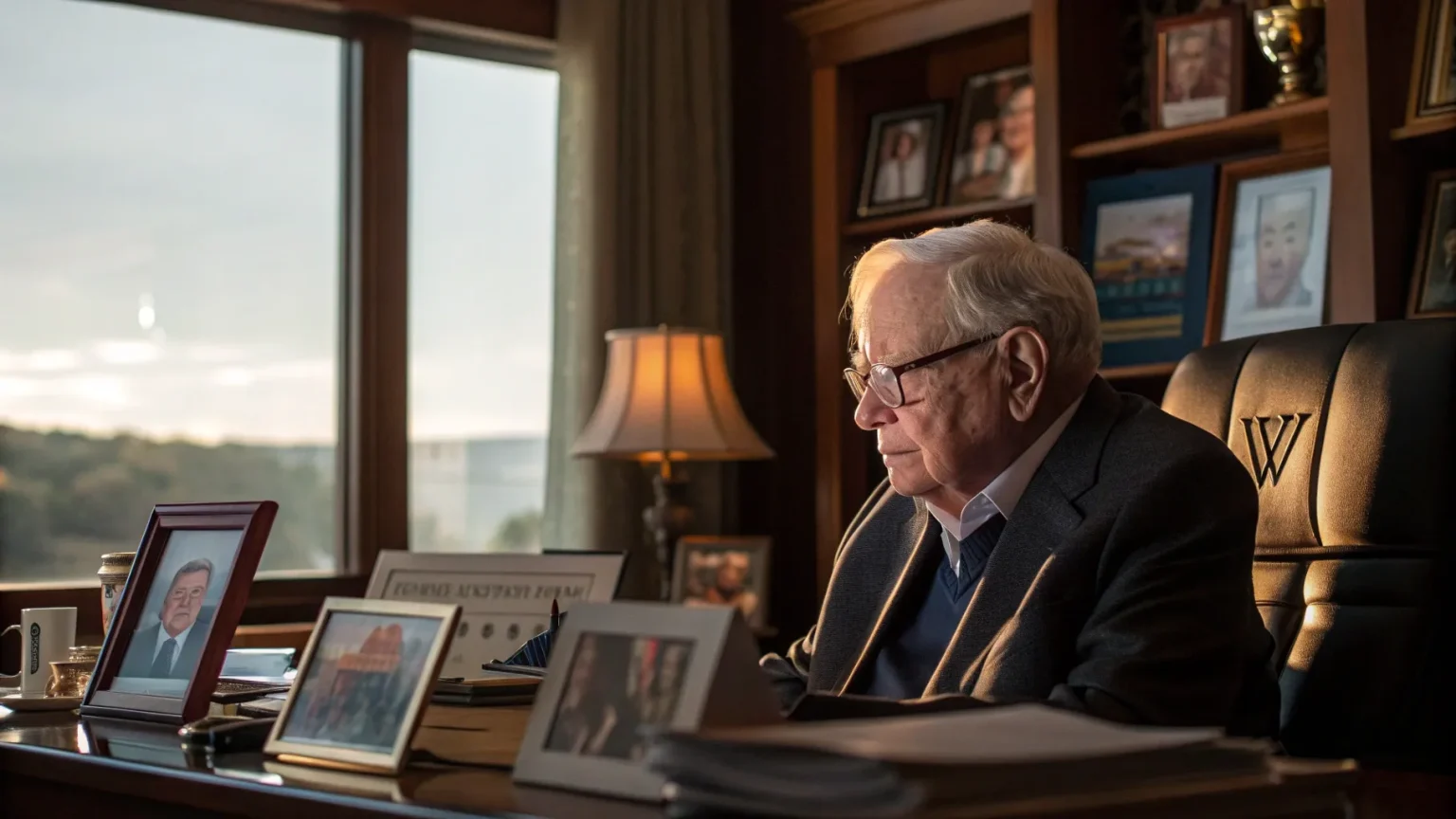
Warren Buffett retired on December 31, 2025, and the Berkshire Hathaway succession plan is now in motion. The 94-year-old investor guided Berkshire Hathaway from a struggling textile company in New England to a global holding firm in Omaha. His exit triggered the transfer of power that shareholders had anticipated for years.
The Berkshire Hathaway succession plan closes a chapter shaped by patient investing, plain speech, and steady returns. It also raises practical questions about what changes, if any, will follow at Berkshire under its next leadership team. After helping clients think through small-business succession and retirement-account holdings for years, I want to walk through what the handoff actually looks like and what it means for self-employed investors who own the stock or hold it inside an index fund.
The turning point that built an empire
Buffett’s path began with a deal he later regretted. He bought control of Berkshire Hathaway, then a failing textile mill, in the 1960s. He has called the purchase a misstep, yet it became the vehicle for his investment strategy.
He used Berkshire as a holding company to buy insurance firms and build a stream of cash known as float. That cash funded stakes in railroads, consumer brands, and financial services. Over time, Berkshire shifted from textiles to insurance, energy, manufacturing, and retail.
Inside the Berkshire Hathaway succession plan
Berkshire prepared for this moment for over a decade. Vice Chair Greg Abel was identified well in advance as the heir to the CEO role. He oversees the non-insurance businesses and is known for a disciplined, low-ego style. Ajit Jain remains central to the insurance operation that powers the float model.
Shareholders expect the company to stick with its core approach. The decentralized model, where unit leaders run their own operations, has been central to Berkshire’s stability. The board is likely to keep the buyback policy and continue the focus on cash flow and prudent deals.
A philosophy that outlived fads
Buffett preached simple rules. Buy businesses that make money. Pay a fair price. Hold for a long time. He favored cash generation and strong managers. He shunned short-term bets and complex products he did not trust.
He also won public attention for a decade-long wager on index funds. The point was clear: low-cost investing can beat high-fee stock picking for many people. That message shaped how millions invest today through retirement plans and brokerage apps. The U.S. Securities and Exchange Commission’s Investor.gov primer on mutual funds and ETFs is a solid starting point if you want to follow that philosophy in your own retirement accounts.
Why the Berkshire Hathaway succession plan matters for self-employed investors
Apple was the company’s largest equity stake in recent years, reflecting Buffett’s openness to durable franchises when the economics are clear. Longtime holdings like Coca-Cola reinforced his preference for strong cash flow and brand power.
For self-employed founders managing retirement accounts, the implication is simple. If you hold Berkshire stock directly, the succession changes the calculus on temperament, not on the underlying businesses. If you hold Berkshire only through an S&P 500 index fund, your exposure barely budges. Either way, the bigger question is whether the new leadership will keep the same discipline on capital allocation.
For more on choosing the right retirement vehicle as a one-person business, the IRS overview of retirement plans for self-employed people covers SEP IRAs, solo 401(k) plans, and SIMPLE IRAs in plain language.
What investors are watching this year
For decades, Buffett’s annual letters and shareholder meetings drew investors from around the world. They came for plain talk on risk, taxes, and corporate behavior. His words often moved markets and shaped debates on buybacks and capital allocation.
Some investors worry that Berkshire’s size limits future returns. Others argue that the company’s insurance engine and fortress balance sheet still offer an edge, especially in volatile times. Either way, the transition will test how much of Berkshire’s success depends on process versus personality.
Lessons the Berkshire Hathaway succession plan offers small businesses
I have helped solo founders and small partnerships think through their own handoffs over the years. The Berkshire Hathaway succession plan offers four practical lessons that translate down to the kitchen-table level:
- Name a successor early. Greg Abel was publicly identified years before the formal handoff. Clients, vendors, and team members had time to adjust.
- Write the rules down. Berkshire’s capital allocation principles live in shareholder letters that anyone can read. A two-page operating manual does the same thing for a one-person business.
- Decentralize the work. Unit leaders ran their own businesses with autonomy under Buffett. Solo founders can use the same logic with virtual assistants, contractors, and a clear scope per role.
- Keep cash on hand. Berkshire’s cash buffer made it a buyer when others panicked. A solo business with three to six months of expenses in reserve has the same advantage at a smaller scale.
For practical succession steps in a solo or small business, the SBA’s close or sell your business guide and the self-employed bookkeeping step-by-step guide work well together.
Measuring a legacy
Buffett’s track record stretches across interest rate cycles, bubbles, and recessions. He avoided tech manias he did not understand, then later made targeted bets as business models matured. He stayed calm during crashes and used downturns to buy.
His influence on corporate culture is wide. He promoted transparency, long-term incentives, and conservative leverage. He also urged companies to return excess cash when they lacked good investments, normalizing buybacks among blue-chip firms.
Key milestones in the Berkshire story
- 1960s: Takes control of Berkshire Hathaway and pivots from textiles to insurance.
- 1970s onward: Builds a cash engine through insurance float to fund acquisitions and stock investments.
- 2007: Wins a public ten-year wager that low-cost index funds would beat hedge funds.
- 2021: Greg Abel publicly named as successor.
- 2025: Formal Warren Buffett retirement on December 31; Berkshire Hathaway succession plan takes effect.
For a longer-term planning lens, the essential forms for self-employed professionals guide pairs well with this article if you are mapping out your own retirement contributions and tax filings around the holdings you keep.
What the next chapter looks like
The retirement date put a firm timeline on a change that had long been expected. Berkshire appears set to keep its model intact, but the leadership style will evolve. Investors will watch early moves on capital allocation, deal-making, and communication with shareholders.
Buffett’s exit closes an era defined by patience and restraint. The next chapter will test whether Berkshire’s systems and culture can carry that record forward without its most famous voice at the helm. For self-employed investors, the larger lesson is that durable systems outlast individuals when the work to build them is done early enough.
Frequently asked questions
Who is the new CEO under the Berkshire Hathaway succession plan?
Greg Abel, formerly Vice Chair, was named the operational successor years in advance and stepped into the CEO role following the December 31, 2025 retirement of Warren Buffett.
Will the Berkshire Hathaway succession plan change the investment philosophy?
Most observers expect the same discipline on capital allocation, low leverage, and long holding periods. The bigger variable is communication style and how the new leadership engages with shareholders going forward.
How does the Berkshire Hathaway succession plan affect Berkshire stock?
Day-to-day operations were already decentralized to unit leaders, so most subsidiaries continue unchanged. The market will reprice Berkshire based on how the new leadership deploys capital, not on the leadership change itself.
What can self-employed founders learn from the Berkshire Hathaway succession plan?
Name your successor early, write your principles down, decentralize the work, and keep cash on hand. Those four moves scale down cleanly from a global holding company to a one-person service business.
Should I sell Berkshire stock after the Warren Buffett retirement?
That is a personal allocation decision and not advice. Most self-employed investors with diversified retirement accounts have minimal direct exposure, and the underlying businesses Buffett bought continue to operate independently of his daily involvement.
Where can I read the official Berkshire shareholder letters?
Berkshire publishes its annual letters on the company’s investor relations site. The SEC also maintains official filings through EDGAR for any investor who wants the primary source documents.


