

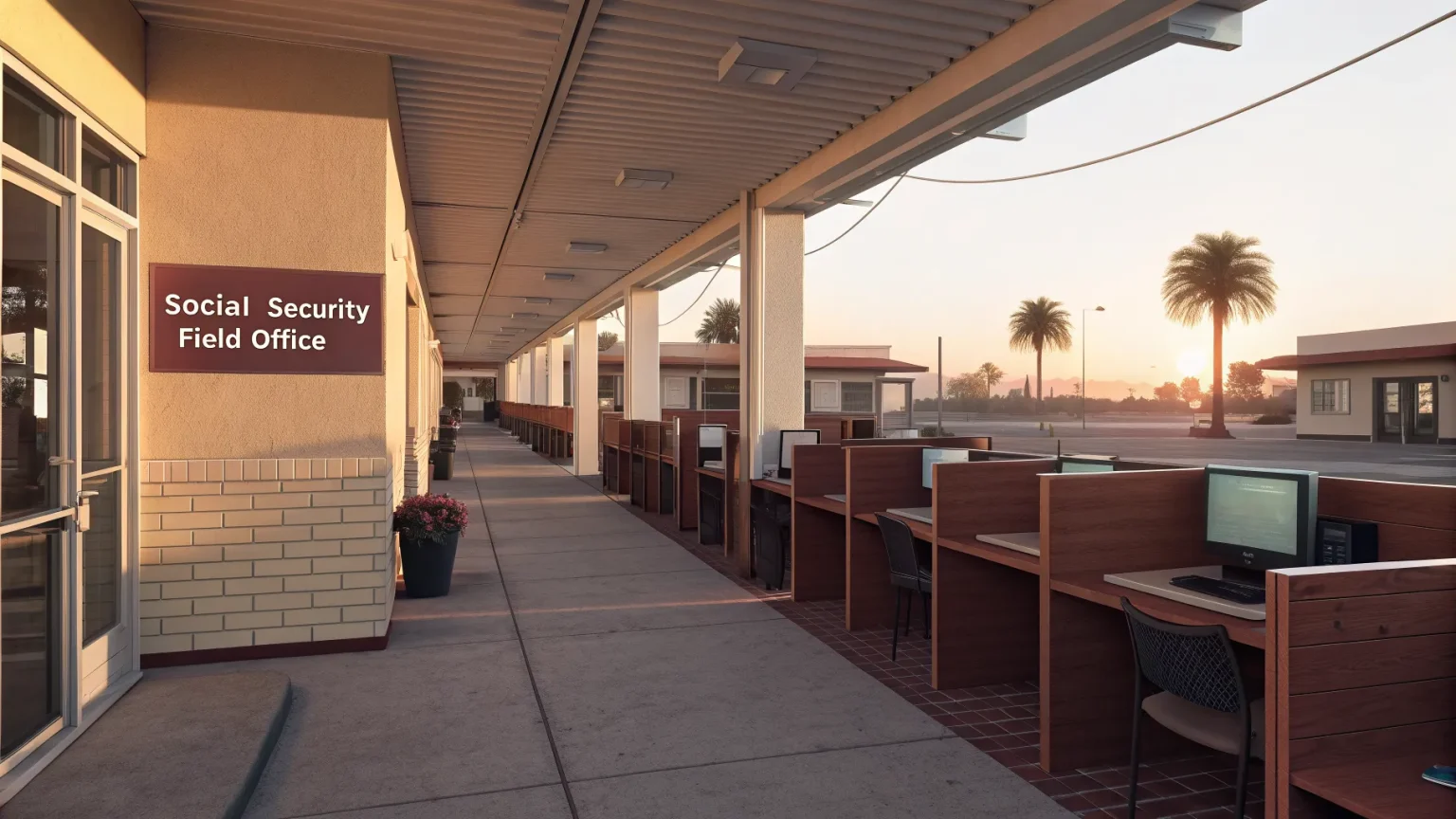
A change to how your local Social Security field office serves the public can disrupt benefits faster than most people expect. When field office workers stop handling walk-ins and appointments, the effect reaches retirees, people with disabilities, and survivors who rely on face-to-face help. After years of writing about benefits and self-employment, I have seen how a quiet shift at a Social Security field office can ripple into missed payments and weeks of confusion if people are not prepared.
This guide explains what a service shift means, who feels it first, and the practical steps you can take to keep your benefits on track.
What a Social Security field office shift means
The Social Security Administration supports tens of millions of Americans, and the local field office has long been the front door. Staff there answer benefit questions, verify identity, process paperwork, and schedule appeals. When a notice says field office workers will stop serving recipients, the details often stay thin. It may not be clear whether offices close entirely, shift staff to other duties, or move services to phone and online channels.
That uncertainty is the real problem. A Social Security field office handles time-sensitive tasks, and even a short gap in service can delay payments or stall an appeal. Knowing how the system works before a change hits gives you a head start.
Why this matters for beneficiaries
For many older adults and people with disabilities, in-person help is not optional. A Social Security field office is where applicants get guided through forms, resolve benefit errors, verify documents, and handle name or address changes. Losing that link can slow payments for some and create confusion for others.
Advocates warn the change could hit rural areas hardest. Limited broadband and long travel times already strain access, and a Social Security field office often serves as the only practical point of contact for miles. Urban offices, meanwhile, manage high volumes and help people without stable housing or internet. Pushing everyone to phone lines or online portals can be difficult during a crisis.
Who feels it first
Service disruptions tend to reach the most vulnerable beneficiaries first. If your Social Security field office reduces in-person help, watch for these effects.
- Appointments and walk-ins may be redirected to national hotlines.
- Identity verification and document checks can take longer.
- Appeals and benefit corrections may sit in a queue.
- People without reliable internet face the steepest barriers.
For the self-employed, there is an added wrinkle. Your benefits depend on accurately reported earnings, and a Social Security field office is often where errors get fixed. If your record is wrong, a service gap can delay the correction.
What to do now
Until the agency clarifies its plan, prepare so a Social Security field office change does not catch you off guard. Keep recent letters, benefit notices, and identification handy. If you have an upcoming appointment, confirm its status. If you filed a claim or appeal, note your receipt number and any deadlines.
- Document any missed payments or changes to your benefit amount.
- Save copies of every form you submit online or by mail.
- Ask a trusted family member or advocate to help track updates.
Self-employed workers should pay special attention to reported earnings, since those figures drive your future benefits. Keep clean records with a simple bookkeeping system and stay organized with the essential forms self-employed professionals need, so any correction at a Social Security field office goes smoothly. If you want to understand how self-employment taxes feed into your benefits, our self-employment tax guide breaks it down. Advocates also suggest contacting your congressional office, which often offers free constituent services that can prompt agency follow-up.
What to watch next
Look for details on staffing reassignments, appointment systems, and whether urgent cases get priority handling. Clear guidance from the agency will matter, and so will short wait times for phone and online support. The key questions stay simple: who helps in place of local staff, how fast issues get resolved, and when stable service returns. Until those answers come, keeping your own records tight is the best protection against any Social Security field office disruption.
Frequently asked questions
What does a Social Security field office do?
A field office handles in-person services such as benefit questions, identity verification, document processing, address changes, and help with claims and appeals for retirees, people with disabilities, and survivors.
How will a service shift affect my benefits?
Your payments usually continue, but in-person help may move to phone or online channels. That can slow identity checks, corrections, and appeals, so it is wise to keep your documents and records ready.
Can I handle Social Security tasks online instead?
Many tasks can be done through a my Social Security account online, including checking your earnings record and benefit estimates. Some complex issues still need a representative by phone or in person.
Why does my earnings record matter if I am self-employed?
Your future benefits are based on reported earnings. Self-employed income must be reported accurately, and a field office is often where errors get corrected, so keeping clean records is important.
What should I do if my benefit is delayed?
Document the delay, save copies of all paperwork, and contact the agency promptly. If the issue stalls, your congressional office can often help push for a resolution.
Where can I find official updates?
The Social Security Administration website is the official source for service changes, account access, and benefit information. Check it directly rather than relying on secondhand notices.


