

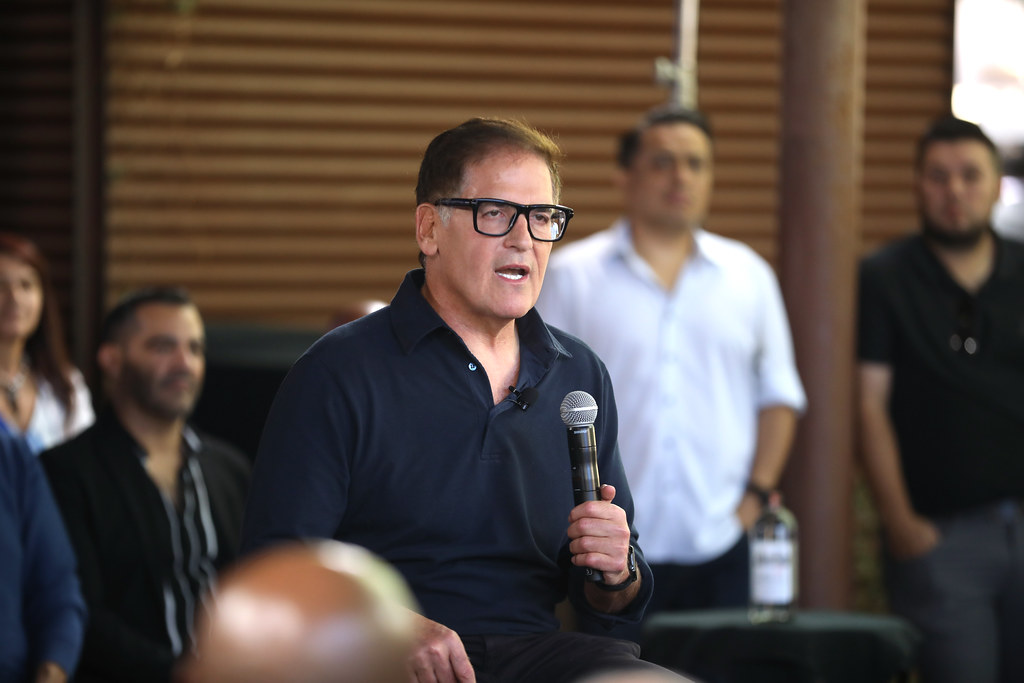
Mark Cuban, the billionaire investor and longtime owner of the Dallas Mavericks, has spent years warning young athletes about the traps that drain newfound fortunes. His investment advice for athletes is blunt: avoid the flashy bets, live below your means, and treat your earning years as a window that can slam shut after a single injury. While he aimed his comments at NBA players, the same principles apply to anyone whose income arrives in big, unpredictable bursts, including many self-employed professionals.
After watching how quickly sudden wealth can evaporate, I find Cuban’s framework refreshingly practical. It is not about complex strategies. It is about discipline, patience, and avoiding the mistakes that take down high earners again and again. Here is his playbook and how to apply it to your own finances.
The industries Cuban tells athletes to avoid
Cuban repeatedly cautions athletes against pouring money into rap labels, restaurants, clothing lines, and liquor companies. His reasoning is straightforward: these businesses have high failure rates, low barriers to entry, and brutal oversaturation. Athletes often invest in them out of love or loyalty to friends, and that emotional pull leads to poor decisions.
The lesson is not that these industries are always bad. It is that passion projects make terrible default investments when you do not control the operation or understand the economics. The same warning applies to any self-employed person tempted to sink a windfall into a friend’s venture simply because it feels exciting. Before backing any business, pressure-test it the way you would a durable business model, not a hobby.
The core of Cuban’s investment advice for athletes
Instead of chasing glamorous deals, Cuban steers athletes toward low-risk, high-reliability investments that generate steady, passive income over time. One of his favorite recommendations is the group of stocks known as Dividend Kings, companies with a 50-year or longer history of raising their dividend payouts. The appeal is consistency: businesses that have increased payments through decades of recessions tend to be stable and well managed.
The deeper message is about time horizon. Cuban wants athletes to build wealth that compounds quietly rather than betting on home runs. This is not financial advice for your specific situation, and every investment carries risk, but the principle of favoring durability over excitement is one that high earners ignore at their peril.
Live like a student until the money is certain
Perhaps Cuban’s most repeated point is about lifestyle. As he put it, a fringe player should live like a student because no one knows how long the income will last. The logic is simple. One broken ankle can end a career, so spending as though the checks will keep coming is a dangerous bet.
Self-employed professionals face a softer version of the same risk. A great year can be followed by a slow one, and clients can disappear without warning. Keeping your fixed costs low during the good times builds a cushion for the lean stretches. Pairing that restraint with disciplined bookkeeping gives you a clear picture of how much you can truly afford to spend versus how much you should set aside.
Hire professionals, not friends
Cuban draws a hard line between friendship and money management. A high earner, he argues, should hire someone who genuinely knows what they are doing rather than handing the job to a buddy who wants to stay a friend. His phrasing is memorable: your money manager needs to make you money, and that motivation should never be diluted by personal loyalty.
This applies far beyond sports. When you come into significant income, the temptation to keep everything in-house or lean on personal connections is strong. The better move is to vet qualified, fee-transparent professionals. You can verify the background of any investment adviser or broker through the free SEC Investor.gov resources before you trust them with a dollar.
Build passive income beyond the stock market
For those who want exposure outside of equities, Cuban points to fractional real estate, which lets investors own shares of high-value properties without the burden of full ownership. The attraction is diversification and income without the headaches of being a landlord. As with any investment, the structure and fees matter, so understanding what you actually own is essential.
Self-employed professionals can extend this idea by building income that does not depend on trading hours for dollars. Exploring additional income ideas alongside conservative investments creates a more stable financial base, especially when your primary work is seasonal or project-based.
How to apply this if your income is lumpy
The throughline in Cuban’s investment advice for athletes is risk management. Avoid emotional bets, keep your lifestyle modest until income is reliable, favor steady compounders, and pay for real expertise. Translating that to a self-employed life means setting aside a larger cash reserve than a salaried worker would, automating contributions to retirement and brokerage accounts during strong months, and resisting the urge to scale up spending after one good year.
It also means protecting yourself from scams that target people with new money. The Consumer Financial Protection Bureau offers practical guidance on spotting fraud and managing windfalls, available at the CFPB website. A little skepticism early can save a fortune later.
You do not need a nine-figure contract to benefit from this thinking. Whether your money comes from a championship roster or a busy freelance quarter, the rules are the same: protect the downside first, let the upside compound, and never confuse loyalty with sound financial judgment.
Frequently asked questions
What investments does Mark Cuban warn athletes against?
Cuban warns against rap labels, restaurants, clothing lines, and liquor companies, citing their high failure rates, low barriers to entry, and oversaturation. He notes athletes often invest in them out of loyalty rather than sound analysis.
What does Mark Cuban recommend instead?
He favors low-risk, steady investments such as Dividend Kings, which are companies with a 50-year or longer history of raising dividends. He also points to fractional real estate for diversification and passive income.
Why does Cuban tell athletes to live like students?
Because a career can end with a single injury, Cuban argues that uncertain earners should keep their spending low until their income is reliable. Modest living during peak years builds a cushion for the future.
Can this advice help self-employed professionals?
Yes. Anyone with lumpy or unpredictable income benefits from keeping fixed costs low, building a larger cash reserve, favoring durable investments, and hiring qualified professionals over personal connections.
Why does Cuban say to hire professionals instead of friends?
Cuban believes a money manager should be motivated purely to grow your wealth, not to preserve a friendship. He recommends hiring vetted, qualified experts whose incentives align with your financial success.
How can I check if a financial adviser is legitimate?
You can verify the background and registration of investment advisers and brokers for free through the SEC’s Investor.gov resources before working with them.


