

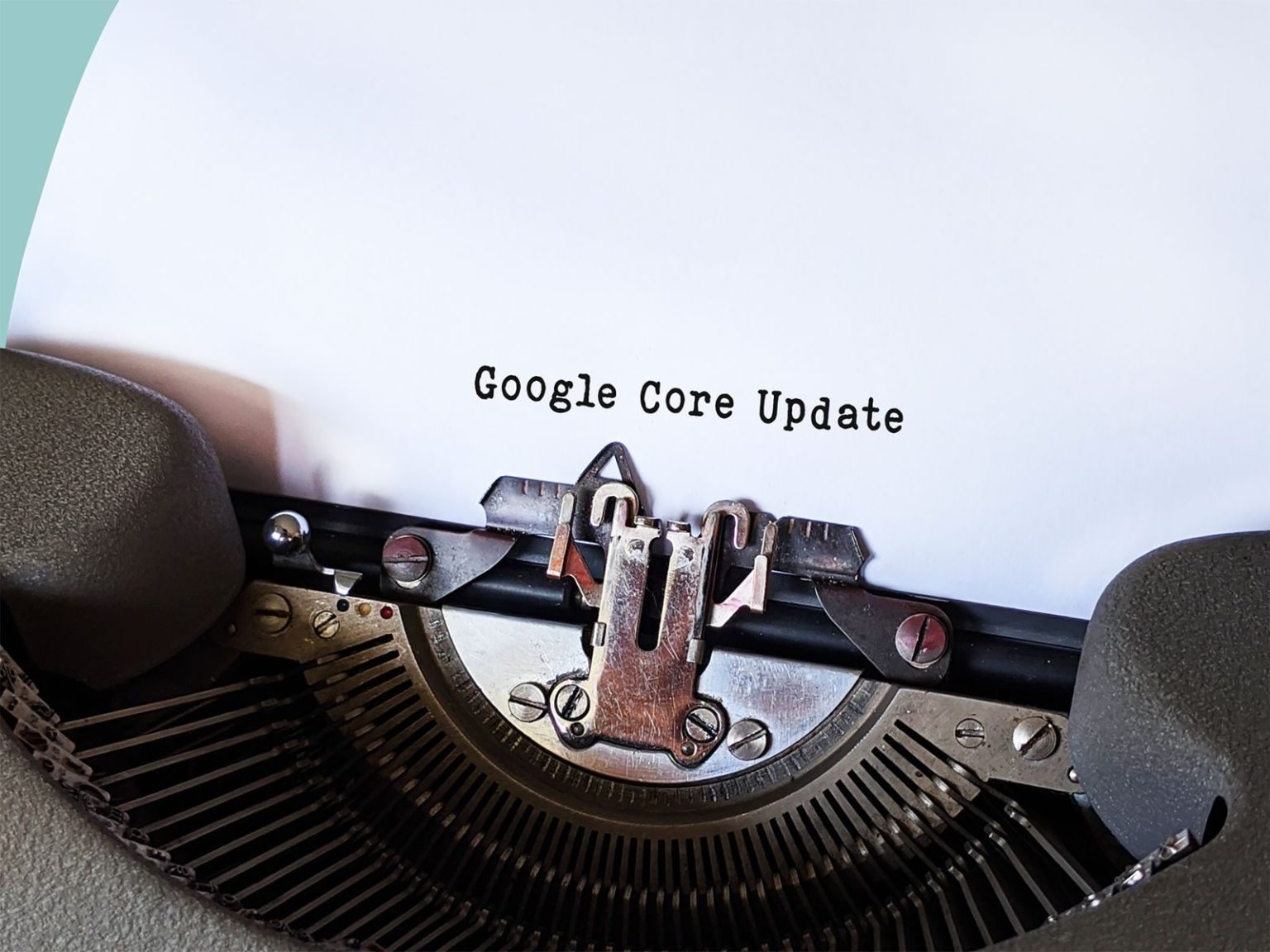
Google began rolling out its November 2026 core update on November 10, according to a Semrush analysis published November 17. Google says the global rollout may take up to two weeks. That points to a finish around November 24, just three days before Black Friday.
Freelancers, consultants, and small online sellers who depend on organic search could see rankings swing during their busiest sales stretch. The safest approach is to watch the data closely and avoid major site changes until the update settles.
What The Core Update Actually Does
Google describes it as a regular update designed to surface relevant, satisfying content from all kinds of sites. It is the third core update of 2026, following rollouts in March and May. Each of those finished in about 12 days.
Past November updates ran longer, though. The 2024 version took nearly 24 days, and the 2023 version took almost 26. Google has not said how this update affects AI Overviews or AI Mode results.
The timing follows other recent changes. This is the eighth ranking update on Google’s status dashboard this year. It arrived about a month after the September spam update wrapped up on October 8.
Why This Matters For Self-Employed Site Owners
Barry Schwartz of Search Engine Roundtable wrote that chatter about this update has been quieter than usual. Still, some site owners reported losses, and one said traffic fell more than 20% in a single week. SEO consultant Glenn Gabe flagged two domains that scaled up AI-generated content and saw a sharp drop in early data.
Data quality adds another wrinkle. Google confirmed a logging error that cut generative AI impressions in Search Console from November 9 to 11. Schwartz also noted that Search Console reporting has lagged, so early numbers may mislead you.
For a solo business, a late-November ranking dip can mean real lost revenue. Many service providers and small shops book a big share of yearly sales between Black Friday and New Year’s.
What Self-Employed Site Owners Should Do Next
Hold off on redesigns, mass content edits, and URL changes until the rollout ends. Google advises waiting at least a full week after it finishes. Only then should you compare Search Console data with the weeks before the update.
Meanwhile, spread your holiday traffic bets. Email lists, social posts, and marketplace listings can carry sales if search slips for a few weeks. If you publish AI-assisted content, review thin pages now and add real experience, original data, or client examples.
Check your highest-earning pages first. Service pages, pricing pages, and top product listings matter more than old blog posts during the holiday rush.
Keep a simple log of any changes you make during the rollout. A dated record helps you separate the update’s impact from your own edits when you review results in December.
What To Watch Next
Watch the Google Search Status Dashboard for the official completion notice. Then compare weekly clicks and rankings page by page, not just sitewide. That view shows which content gained or lost ground.
AI search is the other front to monitor. Businesses that claimed their profiles inside ChatGPT now have a second discovery channel to track. That channel doesn’t move with Google’s core updates, making it a useful hedge.
Photo by Damien Lusson: Pexels


