

The prospect of gold tariffs under the Trump administration pulled more than 600 tons of bullion, close to 20 million ounces, into New York City vaults between December and March. That is a stunning number for anyone who watches the precious metals market, and it is the cleanest example in years of how policy uncertainty can reshape the physical flow of gold across borders. Having worked with self-employed investors thinking through their precious metals exposure, I wanted to lay out what the gold tariffs story means, why it happened, and what small investors should take away from it.
What the gold tariffs story actually is
Starting in late 2024, traders, banks, and bullion dealers began aggressively moving gold into the United States ahead of potential tariffs on imports from Canada and Mexico and, in some scenarios, a broad tariff on all imports. John Reade of the World Gold Council captured the dynamic in one sentence: “Supply chains have been disrupted because of this huge sucking sound, which has been the United States importing gold ahead of the potential tariffs.”
The flow landed primarily in the Commodities Exchange Centre in New York and other vault operators nearby. Adrian Ash, director of research at BullionVault, described the result as a “glut of gold” in New York, unusual at that scale for a single city. Nicky Shiels, head of metals strategy at MKS Pamp, warned that tariffs on Canadian and Mexican imports could spill over into both gold and silver markets.
Why gold tariffs triggered a cross-border stampede
Three forces drove the gold rush into New York. Each one reveals something important about how the modern gold market works.
1. Arbitrage opportunities
When Comex futures traded at a premium to London spot prices, traders who could get physical gold into the United States captured the spread. That premium widened the moment tariff risk appeared on the horizon, and anyone with logistics and capital raced to take advantage. The trade was especially attractive for parties looking to close out short positions or holding physical gold in New York planning to short futures against it.
2. Short covering pressure
A good portion of the flow was driven by market participants who were short Comex futures and wanted physical delivery to avoid exposure if tariffs hit. Those positions had built up over years of smooth cross-border flows and suddenly needed to be unwound as the policy picture shifted.
3. Refinery bottlenecks
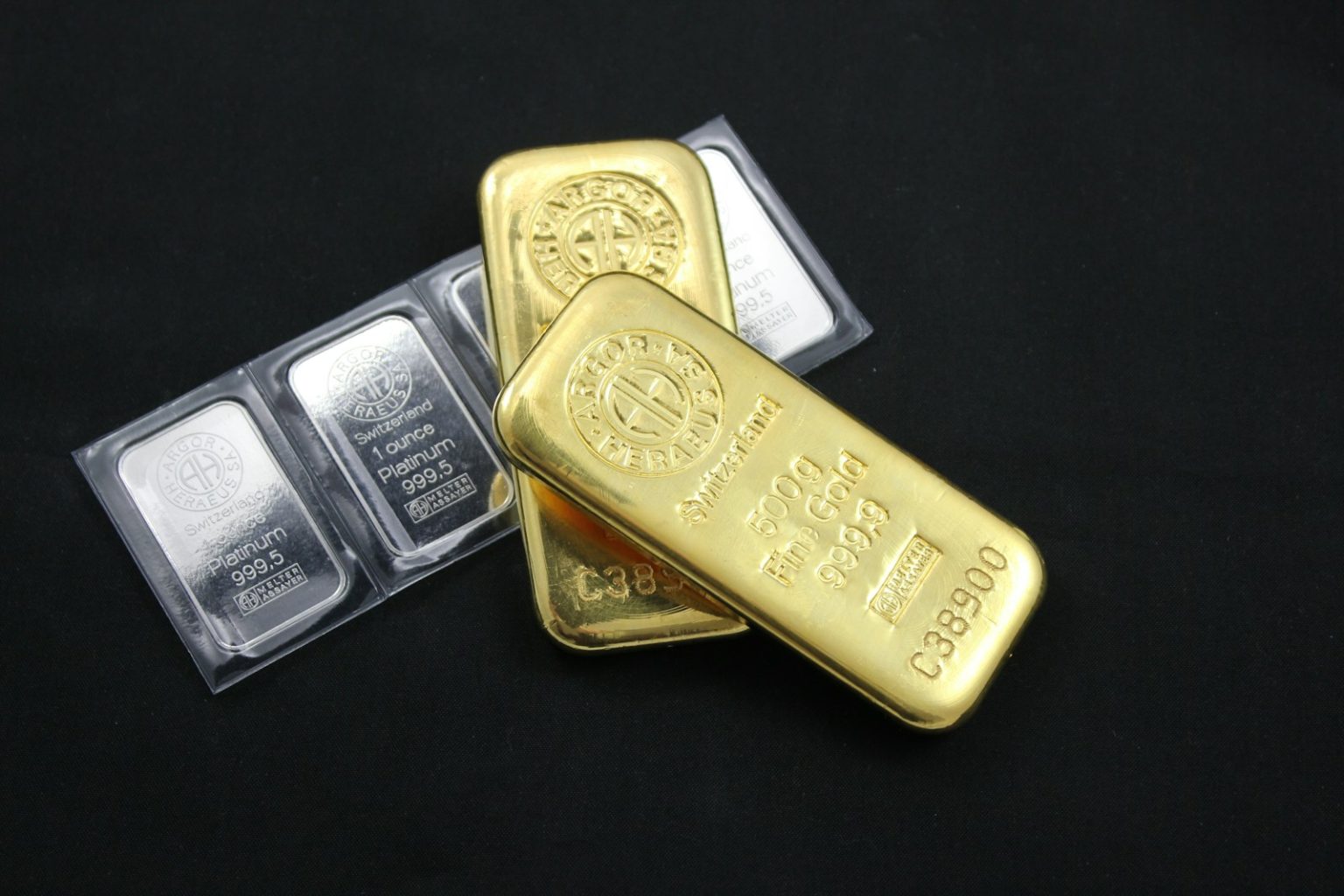
Comex warehouses only accept gold in specific forms, primarily one-kilogram bars. London, long considered the center of the global gold market, holds much of its bullion in 400-ounce Good Delivery bars that need to be melted and recast into kilobars before they can be delivered to New York vaults. Refinery capacity became the constraint, and gold started flowing to refineries in Switzerland for reprocessing before heading to the United States.
What gold tariffs mean for prices and premiums
The Comex premium over London spot widened sharply, at times exceeding $20 per ounce, a gap that is rare outside of genuine supply dislocations. Premiums on retail gold products also firmed as wholesalers hedged against the possibility that their own supply chain would face tariff friction. The World Gold Council has flagged that ongoing geopolitical tensions could continue to spark similar spikes in the future.
For self-employed investors, the takeaway is not to trade the arbitrage. Those trades belong to institutional players with logistics, vault relationships, and balance sheets that dwarf a small portfolio. The takeaway is to understand that policy-driven volatility can widen retail spreads, meaning the cost of buying and selling physical gold can move quickly.
Tariffs on gold are unusual in US trade policy
Historically, gold has been treated as a monetary asset rather than a standard import. Tariffs on gold are rare, and a blanket tariff on all imports that sweeps up bullion would be an aggressive policy choice. The International Trade Administration maintains information on US import policies and tariff schedules that small investors can consult when the policy picture is unclear. Treating gold as a standard commodity would have ripple effects well beyond the bullion market, including on jewelry, electronics, and the dental industry, all of which depend on reliable gold flows.
How self-employed investors should react to gold tariffs headlines
Policy-driven gold rallies look exciting, but for small investors, disciplined long-term behavior almost always beats tactical shifts. Here is how I think about it when I help someone plan their precious metals exposure.
First, decide on an allocation. For most self-employed professionals I work with, 5 to 10 percent of a portfolio in precious metals is a reasonable starting range. Second, choose a vehicle you can live with. Physical gold has higher premiums and storage costs, ETFs have counterparty considerations, and miners add equity risk on top of metals exposure. Third, dollar-cost average. Buying a little each month smooths out the premium noise that tariffs or other shocks can create.
Once you have that framework, headlines like gold tariffs become information rather than a trigger. You can tilt toward silver or gold at the margin depending on relative value, which is where my guide to the gold-silver ratio comes in handy.
Business lessons from the gold tariffs episode
If you run a service or product business, the gold tariffs story is also a lesson in supply chain fragility. Even highly liquid, highly commoditized markets can dislocate when policy changes faster than logistics can adapt. For anyone building a business, the broader lesson is to build margin for uncertainty into pricing and cash flow. My self-employed bookkeeping guide covers how to set up the financial controls that let you absorb surprises without panic, and my tax forms guide covers the paperwork side.
The bottom line on gold tariffs
The gold tariffs episode drove a record physical flow of bullion into New York, exposed the capacity limits of global refining, and created short-term arbitrage opportunities that belonged to institutions rather than retail investors. For self-employed professionals, the right response was not to chase the headlines but to hold a steady allocation, pick a vehicle you trust, and keep building your business so precious metals remain a small, intentional slice of a broader plan.
Frequently asked questions about gold tariffs
Why did gold flow into New York vaults before the tariffs?
Traders, banks, and bullion dealers rushed to move gold into the United States before potential tariffs took effect because doing so let them avoid the cost of tariffs and capture the growing premium between Comex futures prices and London spot prices. That combination made the physical delivery trade very attractive for a brief window.
Are there actual tariffs on gold imports into the US?
Tariffs on gold have historically been rare because gold is often treated as a monetary asset rather than a commodity. The movement of gold into New York in late 2024 and early 2025 was driven by the threat of new tariffs on Canadian and Mexican imports and the possibility of a broader blanket tariff, not by a specific gold tariff that had already taken effect.
How does a gold tariff affect retail gold buyers?
Even the threat of a gold tariff can widen premiums on retail gold products because wholesalers hedge against supply chain friction. Actual tariffs would likely push premiums higher and could make it harder to get specific bar or coin sizes depending on refinery capacity.
Why did refinery capacity matter during the gold rush to New York?
Comex warehouses accept specific bar sizes, primarily one-kilogram bars. Much of London’s gold is held in larger 400-ounce Good Delivery bars that need to be melted and recast into kilobars before they can be delivered to New York. Limited refinery capacity slowed the flow and created extra demand for reprocessing services.
What happens to London’s gold market during a New York-driven tariff rush?
London holds a substantial share of global bullion in vault. When large volumes flow to New York, London inventories draw down, lease rates can rise, and trading activity can shift in ways that affect banks, refiners, and dealers worldwide. The ripple effects extend far beyond the United States.
Should a small investor change their gold allocation because of tariff news?
Usually not. For most self-employed investors, a steady allocation of 5 to 10 percent in precious metals, held through a vehicle that matches your time horizon, is a better approach than reactive trading. Tariff headlines are information, but they rarely justify large changes to a long-term plan.
How do tariffs on Canada and Mexico affect the gold market?
Canada and Mexico are significant sources of mined gold and refined bullion. Tariffs on their exports to the United States can disrupt the usual flow of metal, push premiums higher on Comex, and force traders to source gold from other regions, which in turn creates pressure on global refining capacity.


