


I remember pricing my first marketplace plan after going solo. The quotes felt like rent. I didn’t need fancy perks—I needed care I could actually use. My goal was simple: predictable costs, decent doctors, and no surprise bills that would wipe out a month of revenue. I asked founders, freelancers, and friends what worked. What I learned surprised me. The cheapest premium isn’t always the best value. Smart folks look at total cost of care—premiums, deductibles, copays, and out-of-network risk.
I also saw patterns. People who saved the most picked plans that matched how they actually use care. A telehealth-heavy plan for light users. A stronger Silver plan with extra cost-sharing reductions when income qualified. You don’t need the most complex network or the richest Gold plan. You need the right mix for your income, prescriptions, and preferred clinics—without gambling on coverage gaps.
Our team compared the major players across premiums, common self-employed needs, and state availability. We favored plans with solid value, clear benefits, and strong virtual care.
Scroll down for my detailed take on each option, including which plan I picked for my own family and where to find free options if you qualify.
What is a Low-Cost Health Insurance Plan for the Self-Employed?
A low-cost health insurance plan for the self-employed is an ACA-compliant individual policy you buy on HealthCare.gov or your state exchange, or directly from a carrier, designed to cover essential health benefits at a price you can manage. I follow a simple rule: the best plan is the one you can afford to use. That means weighing total yearly costs, not just the monthly premium, so you keep control and avoid debt.
Think of it like taxes. Saving $80 a month on premiums can backfire if one urgent care visit costs $300 extra. A well-matched Silver plan with cost-sharing reductions can cut deductibles by thousands when income qualifies. At its core, this is coverage for freelancers, contractors, and small business owners who enroll with income data, choose a metal tier, use in‑network doctors, and get predictable costs for the care they actually need.
Many pair coverage with HSAs (on HSA‑eligible HDHPs), low‑cost virtual care, discount pharmacy tools, and a cash reserve for deductibles. Not every plan delivers equal value, networks, or drug coverage—so careful comparison matters before you hit enroll.
How to Choose the Best Low-Cost Plan
Picking health insurance can feel overwhelming. There are dozens of carriers, metal tiers, and state rules. Prices shift with age, ZIP code, and income.
I built this guide to help you match a plan to real life—your doctors, prescriptions, and budget—without wasting hours in fine print.
Most lists are written by carriers or by media sites with pay-to-rank placements. I’m not sponsored by any of the plans on this list. This is a straight, hands-on overview shaped by research, reader feedback, and my own enrollment choices.
Here are some questions you should ask when looking for a plan:
- Do I qualify for $0 premiums or cost-sharing reductions based on income?
- Are my current doctors and hospitals in network for this specific plan ID?
- How will costs scale if I use care monthly vs. only for checkups?
- What happens to premiums and deductibles if my income changes mid-year?
- Does the plan fully cover my prescriptions at reasonable tiers?
- What analytics or tools show real-time costs before I book care?
- How hard is it to switch plans or carriers during open enrollment?
- What protections, prior auth rules, and appeals process are in place?
- Does the plan include $0 virtual care or HSA eligibility if I want it?
Here are my top picks for the best low-cost health insurance plans:
- Kaiser Permanente
- Blue Cross Blue Shield (local plans)
- Ambetter (Centene)
- Molina Marketplace
- Oscar Health
- Cigna Healthcare (Individual & Family)
- UnitedHealthcare (Exchange)
Let’s see which one is right for you.
1. Kaiser Permanente
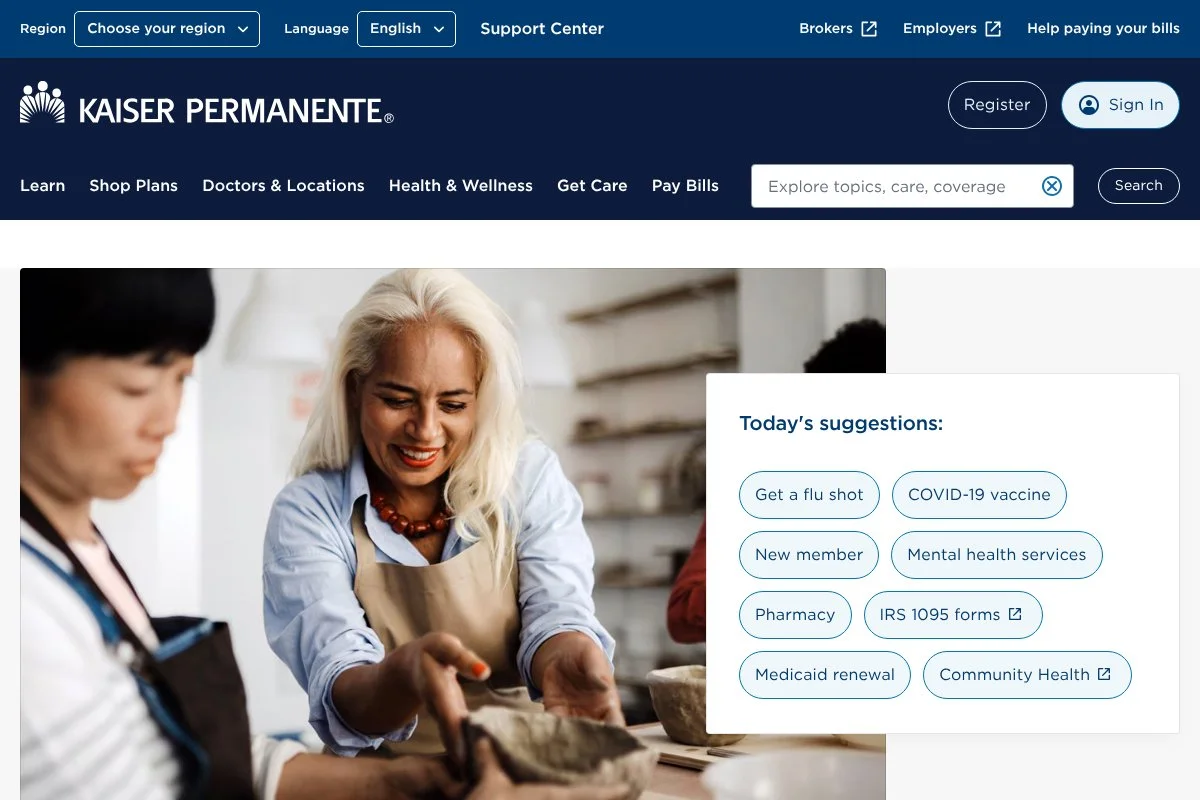
Kaiser Permanente is an integrated system—insurance and care under one roof—designed for coordinated, predictable costs. Kaiser has decades of experience in managed care and strong recognition for preventive services in the regions it serves.
Entry into the marketplace is straightforward, with many competitive Silver plans. The app and member portal make scheduling, messaging, and refills simple. Day-to-day, I value $0 virtual visits on many plans, easy referrals within the system, and clear cost estimates.
In recent years, Kaiser expanded virtual care and same‑day options across primary care and mental health. That makes it friendlier for busy independents who cannot lose a day to logistics.
On higher tiers, you’ll find lower deductibles, greater access to specialists, and extras like integrated pharmacy support. HSA‑eligible options are available if you prefer to pair a tax‑advantaged account with a high‑deductible plan.
I’ve used Kaiser during a heavy travel season and appreciated how connected the teams felt. Messages actually turned into action—fast referrals, clear next steps, no mystery bills later.
Another plus: member education is strong. New enrollees get practical guides on using care wisely, which helps keep total costs down.
How Kaiser Permanente works and key features
Kaiser’s interface centers on its app and member site. You can book visits, message your care team, and see lab results quickly. The system minimizes paperwork because the plan and providers share records.
You won’t shop “templates,” but you will choose a primary care location and set preferences for virtual vs. in‑person. Advanced users can review formularies, prior authorization rules, and care cost estimates before visits.
The portal shows claims, deductibles met, and out‑of‑pocket totals. Many plans include $0 preventive care and low‑cost in-network urgent care. Automation comes through reminders, refill sync, and digital check‑in.
Extras often include access to mental health care, prenatal programs, and chronic condition coaching. Support is responsive in my experience, with 24/7 nurse advice lines in many regions.
Overall, it’s beginner‑friendly and efficient, especially if you’re fine staying in a closed network to save money.
Who Kaiser Permanente is for
Best for: freelancers who want predictable costs; busy consultants; parents juggling schedules; creators who prefer virtual care; anyone with routine needs and a nearby Kaiser facility. If you need frequent out‑of‑network access or live outside Kaiser regions, a broad PPO may suit you better. No advanced technical skills are needed to use the system.
Kaiser Permanente pricing
Kaiser prices vary by state, age, tobacco status, and income. Plans are sold in Bronze, Silver (with CSR if eligible), Gold, and some HSA‑eligible options. Marketplace subsidies can reduce premiums to $0 for qualifying incomes.
- Bronze: lowest premiums, higher deductibles; $0 preventive care; HSA options available on some plans
- Silver: mid premiums; eligible for cost‑sharing reductions if income qualifies; balanced deductibles/copays
- Gold: higher premiums, lower out‑of‑pocket costs; better for frequent care
- HSA‑Eligible HDHP: pairs with an HSA for tax savings; lower premiums with higher deductible
Value is strong where Kaiser operates, especially on CSR Silver plans. Annual billing isn’t a thing here; you pay monthly. Always check your exchange for your exact premium after subsidies.
Pros and cons
Pros
- Integrated care lowers friction and surprise bills
- Great app experience and quick virtual visits
- Strong value on Silver CSR plans
- Clear estimates and coordinated referrals
Cons
- Limited to Kaiser regions and networks
- Out‑of‑network coverage is limited on many plans
- Fewer plan choices than big national PPOs
If you live in a Kaiser area and want low hassle at fair prices, it’s hard to beat. If you travel widely and need PPO freedom, look elsewhere.
Kaiser Permanente reviews
Public reviews are split by region and plan year. Exchanges publish star ratings by state; check your local marketplace for current scores and member feedback.
2. Blue Cross Blue Shield (local plans)
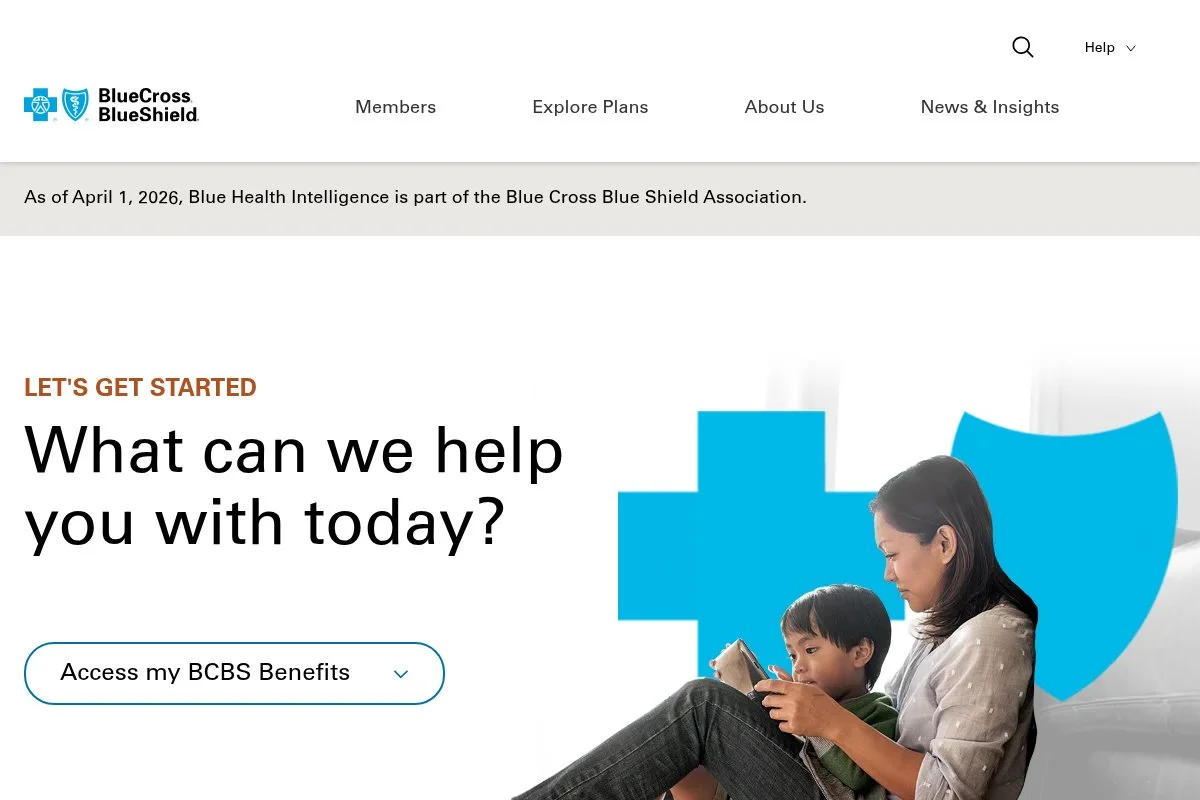
Blue Cross Blue Shield plans are offered by independent companies in most states, known for broad networks and wide availability. Many small shops I know stick with their local BCBS because most doctors accept it.
You can enroll through HealthCare.gov or your state exchange. Getting started is simple: compare Bronze, Silver, and Gold plans, then filter by your doctors and prescriptions. Daily use is straightforward—ID cards in the app, large provider search, and pharmacy tools.
Recent years brought more marketplace participation and refreshed virtual care options. Some state BCBS plans now include $0 telehealth for common issues and stronger mental health networks.
Higher tiers often include richer specialist copays, better rehab benefits, and HSA‑eligible designs. PPOs are more common here than with many competitors, which helps travelers.
I’ve enrolled with BCBS twice while moving states. The big win was continuity—my preferred clinics were usually in-network, which saved me headaches and cash.
BCBS companies publish solid plan documents. The summaries are clearer than average, which helps you avoid billing surprises.
How Blue Cross Blue Shield works and key features
The interface varies by state company, but expect a reliable member portal for claims, deductibles, and provider search. Many include 24/7 nurse lines and telehealth partners.
Customization comes from choosing an HMO vs. PPO plan, metal tier, and drug tiers that match your meds. Advanced users can review prior auth rules and out‑of‑network cost shares.
You’ll see dashboards for spending to date and out‑of‑pocket maximums. Automation shows up as refill reminders and explanation‑of‑benefits delivery. Support quality is generally good, with local offices in many regions.
Overall, it’s balanced: beginner‑friendly with the depth that frequent care users need.
Who Blue Cross Blue Shield is for
Best for: consultants who travel often; families needing a wide range of providers; rural freelancers; anyone who values PPO access. If you only use in‑system care and want maximum coordination, Kaiser may be cheaper. It’s beginner‑friendly, with options for advanced users.
Blue Cross Blue Shield pricing
Pricing depends on your local BCBS company, age, ZIP, and income. Marketplace subsidies can reduce premiums to $0 for eligible income levels. You’ll see standard metal tiers and some HSA‑eligible PPO designs.
- Bronze: lowest premiums; higher deductible; good for light users
- Silver: balanced costs; CSR available if income qualifies
- Gold: higher premiums; lower out‑of‑pocket costs
- PPO and HSA options: available in many states
Compared with others, BCBS can be middle‑of‑the‑road on premiums but strong on networks. Value improves with CSR Silvers and when PPO flexibility matters. Always compare doctor lists before deciding.
Pros and cons
Pros
- Huge provider networks in many states
- PPO availability for travelers
- Clear plan documents and tools
- Good balance of cost and access
Cons
- Premiums can run higher in some regions
- Experience varies by local BCBS company
- Out‑of‑network costs can still sting on PPOs
If network breadth is your priority, start here. If you rarely leave one system, you may find cheaper integrated options.
Blue Cross Blue Shield reviews
Reviews vary by state company. Your exchange lists plan‑specific ratings each year. Check your local BCBS on HealthCare.gov or your state site for current scores.
3. Ambetter (Centene)
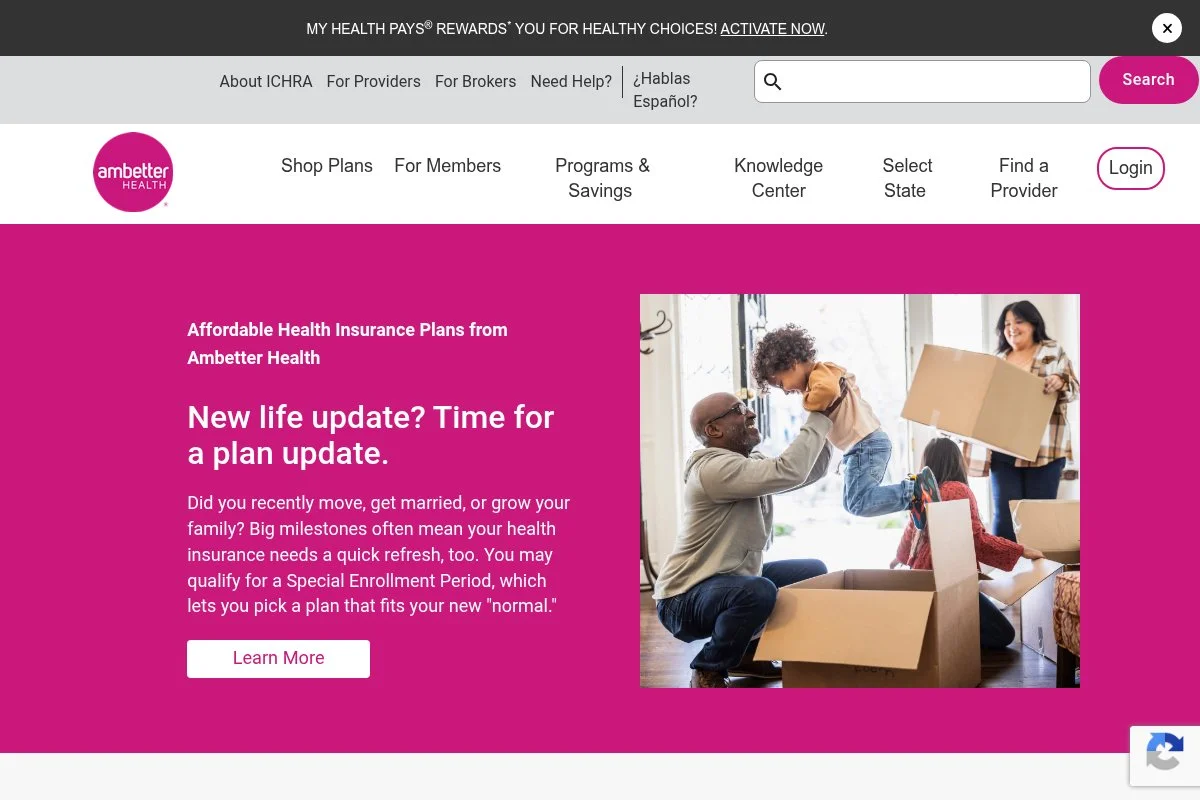
Ambetter, offered by Centene companies, is known for aggressive pricing on marketplace plans across many states. I often see Ambetter near the low end on Silver and Bronze premiums.
Signing up through the exchange is quick. The member portal highlights ID cards, claims, and rewards programs for preventive care. Many plans include $0 virtual urgent care, which fits self‑employed schedules.
Ambetter has expanded its presence and refined its benefits in several markets in recent years. Virtual care, behavioral health networks, and wellness rewards continue to be a focus area.
Higher tiers can include richer drug coverage and lower copays. You’ll also find HSA‑eligible designs. Ambetter’s extra perks, like reward points for checkups, are uncommon at this price point.
I’ve heard consistent praise from light‑use freelancers who want a low premium and easy telehealth. Heavy users should still compare networks closely.
Ambetter’s online tools are friendly. The cost estimator helps set expectations before care, which I always appreciate.
How Ambetter works and key features
Ambetter’s interface is clean and mobile‑friendly. You can search providers, check costs, and track your deductible. Telehealth is integrated, often at $0 or low cost for common needs.
Plan “customization” comes from picking the right network type and drug list. Advanced users can review preferred pharmacies and prior authorization rules to avoid surprises.
Reporting shows total spend, claims, and out‑of‑pocket progress. Automation includes refill reminders and wellness reward tracking. Support is available by phone and chat in many states.
Overall, it’s beginner‑friendly with strong value for those who rely on virtual care and a focused network.
Who Ambetter is for
Best for: price‑sensitive freelancers; creators who prefer telehealth; first‑time marketplace shoppers; people eligible for CSR Silver. If you need a wide range of specialists or specific hospitals, double‑check the network first. No special technical skill required.
Ambetter pricing
Ambetter’s marketplace pricing varies by state, age, and income. It’s often among the lowest for Bronze and competitive for Silver. Subsidies can reduce premiums to $0 for qualifying incomes.
- Bronze: lowest premiums; higher deductible
- Silver: balanced costs; CSR available with qualifying income
- Gold: higher premiums; lower out‑of‑pocket
- HSA‑Eligible HDHP: pairs with an HSA for tax savings
Compared with big national PPOs, Ambetter often wins on sticker price. Value is best when your doctors are in-network and you use virtual care. Always confirm providers before you enroll.
Pros and cons
Pros
- Low premiums in many markets
- $0 or low‑cost virtual care on many plans
- Wellness rewards that offset small costs
- Good value Silvers for eligible incomes
Cons
- Networks can be narrower than PPOs
- Provider experience varies by region
- May require referrals or prior auth for some services
Pick Ambetter if you want the lowest monthly cost and can confirm your doctors. Heavy specialist users may prefer wider networks.
Ambetter reviews
Reviews are mixed and vary by state. Marketplace plan ratings change yearly; check your state exchange for current star scores and member comments.
4. Molina Marketplace
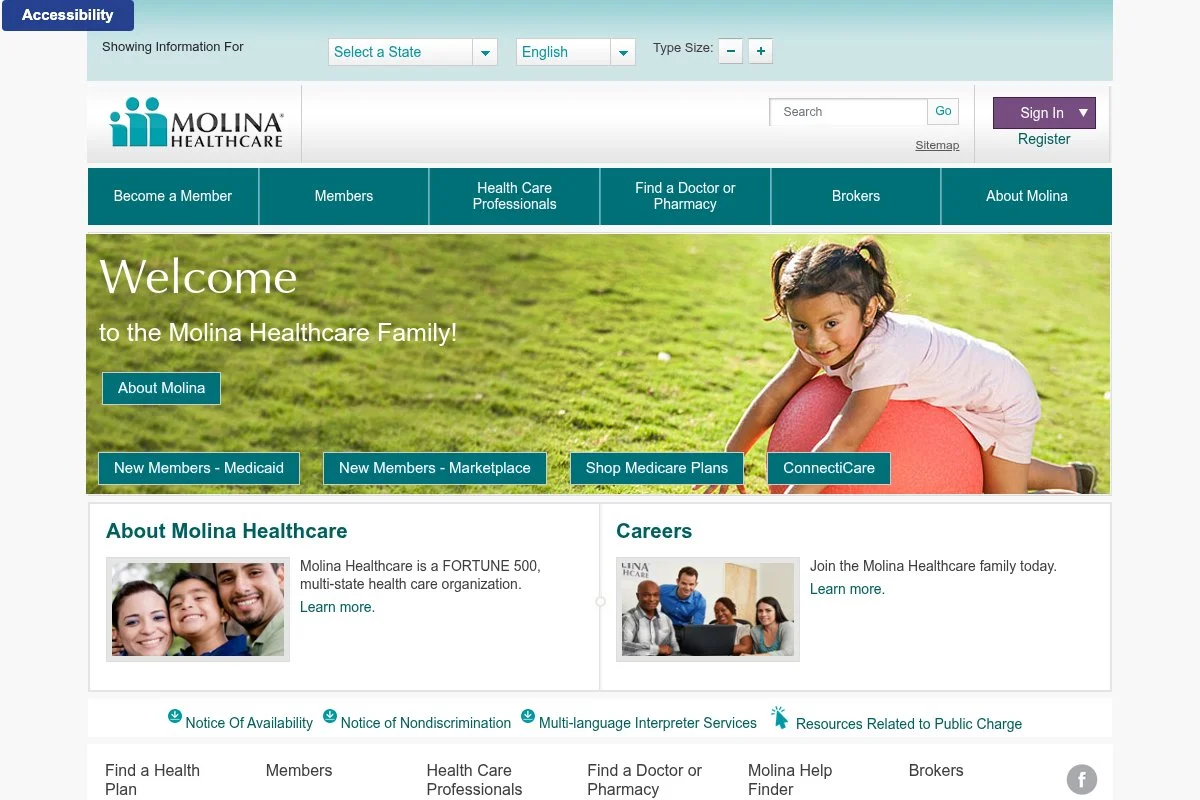
Molina focuses on accessible pricing and strong coverage for budget‑minded members in many states. I often see Molina near the low end of Silver premiums, with many CSR options.
Enrollment is smooth on the exchange. The portal makes it easy to find a primary care doctor, track claims, and manage prescriptions. Many members like the straightforward telehealth setup.
Molina has invested in marketplace growth and care coordination. Access to virtual primary care and behavioral health has improved in several regions.
On richer tiers, expect lower copays, better drug coverage, and HSA‑eligible designs. For self‑employed parents, pediatric and prenatal benefits can be strong values.
Readers tell me Molina hits the sweet spot when income qualifies for CSR. Deductibles and copays drop to manageable levels without huge premiums.
Member materials are clear and multilingual in many areas, which is helpful during stressful claims moments.
How Molina works and key features
Molina’s member site focuses on provider search, ID cards, and claims. It’s clean and practical. You can see deductible progress and estimated costs before care in many markets.
Customization is about picking the right network and drug formulary. Advanced users can review prior auth lists and pharmacy tiers to avoid surprises.
Automation covers reminders and refills. Support is phone‑first, with local resources in several states. Many plans include $0 preventive care and discounted virtual visits.
Overall, it’s beginner‑friendly and budget‑focused, with just enough tools for power users.
Who Molina is for
Best for: cost‑sensitive freelancers; families eligible for CSR Silvers; people with a steady primary care rhythm; multilingual households. If you need a wide specialist network or specific hospitals, confirm participation first. No technical skill needed.
Molina pricing
Molina’s marketplace pricing varies by state, age, and income. It’s frequently competitive on Silver and Bronze. Subsidies can reduce premiums to $0 for eligible incomes.
- Bronze: lowest premiums; higher deductible
- Silver: balanced costs; CSR available for qualifying incomes
- Gold: higher premiums; lower out‑of‑pocket
- HSA‑Eligible HDHP: available in select markets
Value tends to be strong for CSR‑eligible members. Always verify your preferred doctors and meds before choosing a plan ID.
Pros and cons
Pros
- Low premiums and many CSR options
- Simple tools and multilingual resources
- Solid primary and virtual care value
- Good fit for families on a tight budget
Cons
- Narrower networks in some regions
- Specialist access can vary by market
- Website tools are basic compared with tech‑centric rivals
If your doctors are in network and you qualify for CSR, Molina can be a cost winner. Power travelers may want a wider network.
Molina reviews
Ratings differ by state and plan. Check HealthCare.gov or your state exchange for current star scores and local member feedback.
5. Oscar Health

Oscar Health is a tech‑forward marketplace insurer focused on a clean app, virtual care, and guided navigation. It’s been operating for years and is known for its user‑friendly design.
Enrollment through the exchange is simple. The app highlights a Care Team, $0 virtual visits on many plans, and real‑time deductible progress. For day‑to‑day tasks, Oscar’s interface is one of the easiest I’ve used.
Oscar has adjusted market presence over time and refined networks with select health systems. The result in many areas is tighter integration with preferred providers and stronger virtual options.
Richer tiers include lower copays, better brand‑name drug coverage, and extras like step‑tracking rewards in some markets. HSA‑eligible choices are available on certain Bronze and Silver designs.
I used Oscar during a busy quarter and loved the speed. Digital ID cards, quick chat replies, and clear cost lookups saved me from guesswork.
The app quality stands out. If you live on your phone, Oscar’s experience will feel familiar and fast.
How Oscar works and key features
Oscar’s app is minimal and friendly. You can book telehealth, check claims, and message support quickly. Provider search is clear, and the plan documents are easy to scan.
Customization comes from the selection of network and metal tiers. Advanced users can review referral rules, drug tiers, and cost estimates for common procedures before booking.
Analytics show spending to date, deductible status, and out‑of‑pocket totals. Automation includes refill reminders and care prompts. Support via chat and phone is quick in my experience.
Overall, it’s beginner‑friendly with modern tools, while still giving power users the data they need.
Who Oscar is for
Best for: tech‑savvy freelancers; telehealth‑first users; light to moderate care needs; people who value a modern app experience. If you need a very broad list of hospitals, check the network closely. No technical skill required, just comfort with mobile tools.
Oscar pricing
Oscar’s premiums vary by market, age, and income. It’s often competitive for Bronze and selected Silver plans. Subsidies can reduce premiums to $0 for eligible incomes.
- Bronze: lowest premiums; higher deductible; some HSA‑eligible
- Silver: balanced costs; CSR available with qualifying income
- Gold: higher premiums; lower out‑of‑pocket
Value is strongest if you use virtual care and your nearby clinics partner with Oscar. Always check providers before enrolling.
Pros and cons
Pros
- Excellent app and digital experience
- $0 virtual care on many plans
- Clear cost tracking and estimates
Cons
- Narrower networks in many markets
- Availability limited to select states
- Frequent in‑person specialists may prefer broader PPOs
If you value a simple, modern experience and telehealth, Oscar is a strong fit. If you need the biggest hospital list, consider BCBS or UHC.
Oscar reviews
Public ratings vary by state and year on the exchanges. Look up your county’s Oscar plans on your marketplace for current star scores and comments.
6. Cigna Healthcare (Individual & Family)
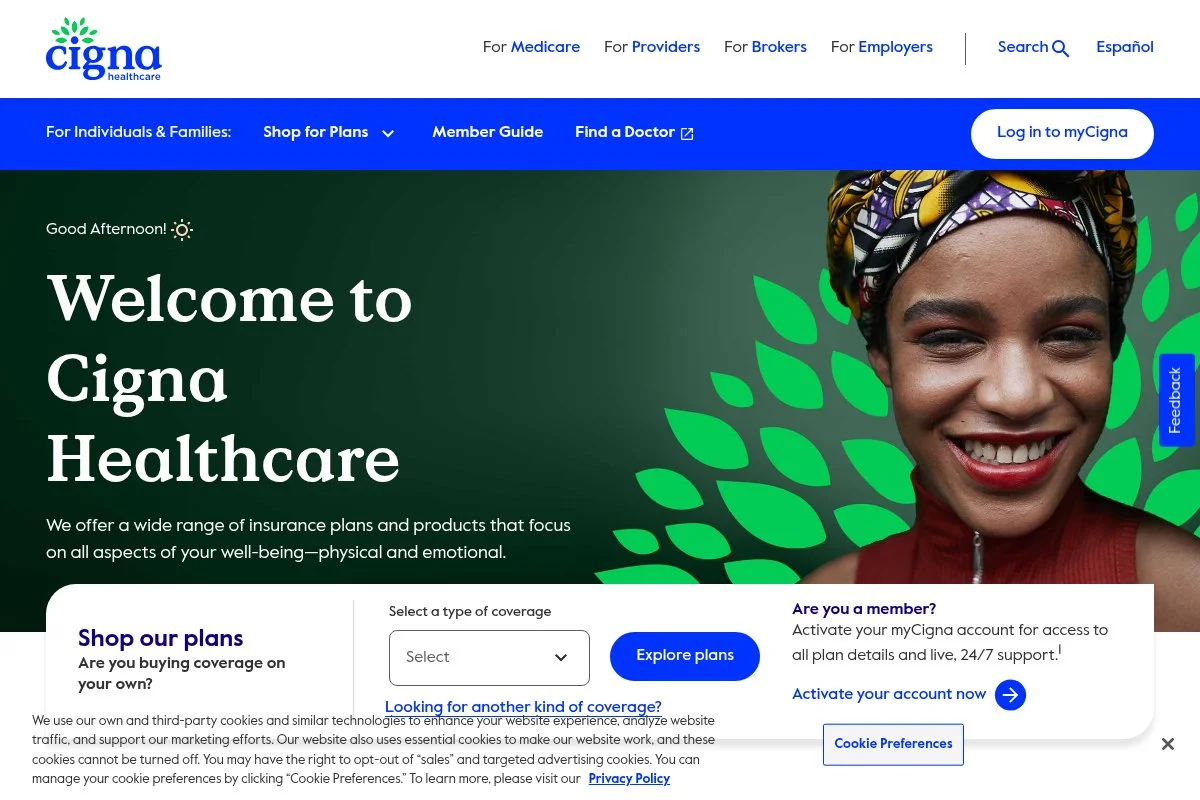
Cigna’s Individual & Family plans bring a big‑brand pharmacy network and strong clinical programs to the marketplace segment. I often see Cigna shine on drug coverage and chronic care support.
Enrollment is easy through your exchange. The portal makes it simple to track claims, find in‑network doctors, and check drug tiers. Virtual care is widely available, with mental health options in many markets.
Cigna has grown marketplace reach and tuned formularies in recent years. The result is better alignment for common self‑employed prescriptions and preventive care.
On higher tiers, you’ll find lower specialist copays and improved brand‑name drug coverage. HSA‑eligible plans are available in select markets, useful for tax planning.
I’ve recommended Cigna to readers who prioritize pharmacy costs. Several wrote back saying their total spend dropped even when premiums were mid‑range.
Plan documents and drug lookups are detailed, which helps you avoid tier surprises.
How Cigna works and key features
Cigna’s member site highlights pharmacy tools, provider search, and real‑time tracking for deductibles and out‑of‑pocket totals. The app supports telehealth and messaging.
Customization means matching metal tiers to expected usage and confirming your meds are on favorable tiers. Advanced users can review prior auth rules and preferred pharmacies.
Analytics show spending trends and claims history. Automation includes refill reminders and care prompts. Support is via phone and online, with good pharmacy assistance.
Overall, it’s balanced, with extra strength on drug management—great for self‑employed folks with steady prescriptions.
Who Cigna is for
Best for: freelancers with ongoing prescriptions; small families with mixed care needs; users who want stronger access to mental health care; those who value brand pharmacy networks. If you want rock‑bottom premiums above all, Ambetter or Molina may run cheaper.
Cigna pricing
Cigna’s premiums vary by state, age, and income. You’ll see standard Bronze, Silver (CSR eligible), and Gold tiers, plus some HSA‑eligible designs. Subsidies can lower premiums to $0 for eligible incomes.
- Bronze: lowest premiums; higher deductible
- Silver: balanced costs; CSR available if income qualifies
- Gold: higher premiums; lower out‑of‑pocket
- HSA‑Eligible HDHP: select markets
Value is competitive, especially if pharmacy costs are a key driver of your budget. Always cross‑check your meds and preferred pharmacies before you enroll.
Pros and cons
Pros
- Strong pharmacy network and tools
- Good mental health access in many markets
- Clear documentation and cost tracking
Cons
- Premiums can be mid‑range vs. budget carriers
- Networks vary by state
- HSA options not in every market
Pick Cigna if drug costs matter most. If you barely use care and want the lowest premium, try Ambetter or Molina first.
Cigna reviews
Ratings depend on state plans and year. Your exchange lists current scores for each Cigna plan. Review those details alongside your drug list.
7. UnitedHealthcare (Exchange)
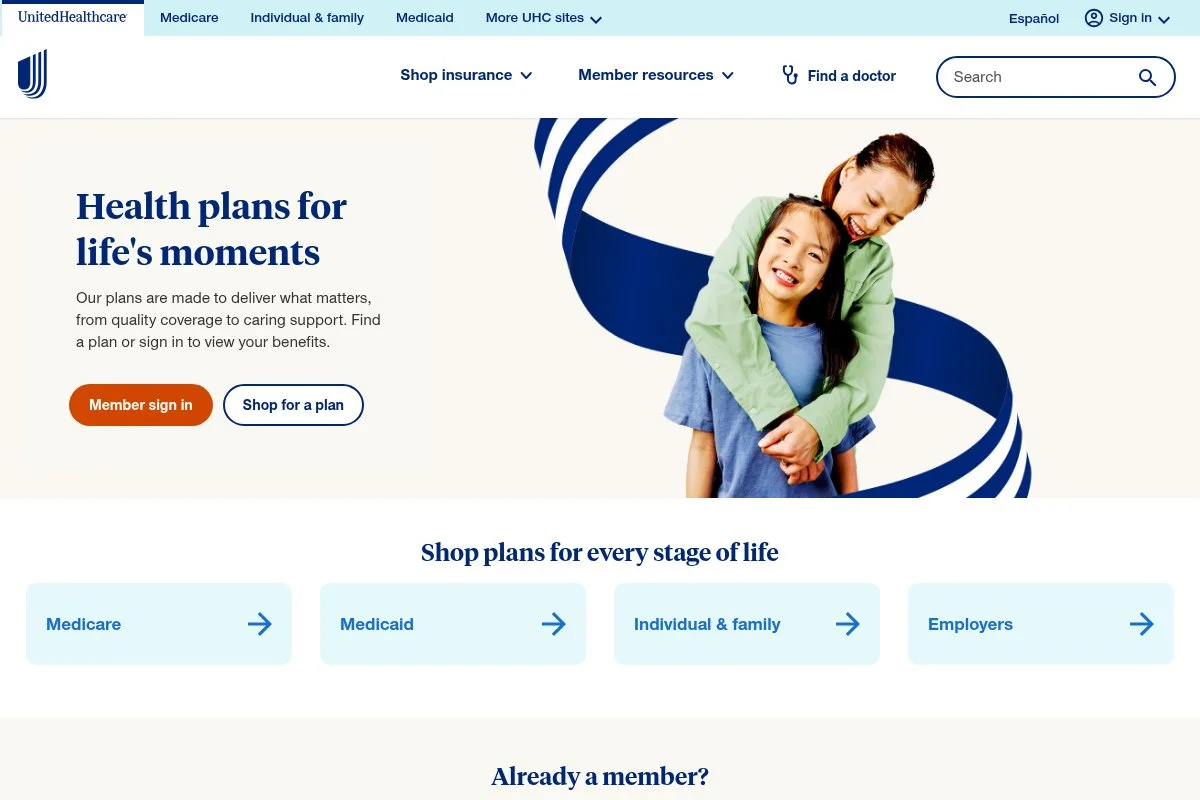
UnitedHealthcare is a major national brand with growing marketplace participation in select states. I see UHC as a reliable option for those who want familiar names and a wide range of ancillary options.
Enrollment via the exchange is straightforward. The member site and app cover ID cards, claims, provider search, and virtual visits. Pharmacy integrations and wellness programs are a plus.
UHC has adjusted its exchange footprint over time and strengthened virtual care offerings. In several markets, network partnerships bring better access to recognized hospitals.
Richer tiers offer lower copays, better hospital benefits, and HSA‑eligible designs. UHC also tends to bundle add‑ons like vision and dental for convenience, though those are separate products.
I’ve used UHC through group coverage and have appreciated the breadth of providers. On the exchange, always confirm your exact plan’s network—it can differ from employer plans.
Educational resources are robust, helping new members avoid billing surprises.
How UnitedHealthcare works and key features
UHC’s app is polished and practical. You can book telehealth appointments, search for providers, and track spending. The portal highlights claims, deductibles, and cost estimates.
Plan choice centers on network type and metal tier. Advanced users can review prior auth and drug tiers, and compare facility costs before procedures.
Automation includes reminders and digital ID cards. Support is widely available by phone and chat. Additional tools, such as wellness rewards, may appear in select markets.
It’s a balanced experience with broad resources, best if your local UHC network includes your go‑to clinics.
Who UnitedHealthcare is for
Best for: self‑employed folks who want a national brand; frequent travelers seeking broader options; families who like bundled add‑ons. If your priority is the very lowest premium, other carriers may price lower in your zip code.
UnitedHealthcare pricing
UHC pricing varies by state, age, and income. Plans span Bronze, Silver (CSR eligible), and Gold, with some HSA‑eligible designs. Marketplace subsidies can lower premiums to $0 for eligible incomes.
- Bronze: lowest premiums; higher deductible
- Silver: balanced costs; CSR available with qualifying income
- Gold: higher premiums; lower out‑of‑pocket
- HSA‑Eligible HDHP: select markets
Compared with budget carriers, UHC can charge higher premiums but offers broader resources. Value is best if your preferred hospitals and doctors participate.
Pros and cons
Pros
- Large brand with broad resources
- Solid app, telehealth, and pharmacy tools
- Convenient access to add‑on benefits
Cons
- Premiums may be higher than budget carriers
- Exchange networks differ from employer plans
- Availability varies by state
If you want a big‑name experience and strong support, UHC fits. If you only care about the lowest premium, compare Ambetter and Molina first.
UnitedHealthcare reviews
Public reviews are split by market and plan type. Check your exchange’s plan pages for current star ratings and local member comments.
What is the best low-cost health insurance plan right now?
My top picks this year are Kaiser Permanente, Blue Cross Blue Shield (your local company), and Ambetter. Each wins for a different reason: coordination, network breadth, and sticker price.
Kaiser is my personal #1. I’m not sponsored—this is just my honest take. I first tried Kaiser after a friend in Oakland raved about quick messaging and $0 virtual care. What impressed me right away was how connected everything felt: labs, referrals, pharmacy, and bills all lined up without me having to chase paperwork. The big sell was total cost predictability on a Silver CSR plan when my income qualified.
On value, Kaiser scales well if you actually use care. A slightly higher premium can beat a bargain Bronze once you add two specialist visits and a couple of prescriptions. With CSR, deductibles and copays can drop significantly, which has saved me real money over the years with more appointments.
BCBS is a close second for many readers. If you travel or want a bigger provider list, your local BCBS often offers PPOs and deeper hospital networks than most marketplace rivals. Several companies have strengthened telehealth and mental health access, which matters if you’re juggling clients and family.
The unique strength of BCBS is reach. In new cities, I’ve had an easier time finding in‑network care on BCBS than on narrower networks. If I weren’t in a strong Kaiser region, I might choose BCBS for the flexibility alone.
Ambetter is my third pick, especially if your goal is the lowest monthly premium with virtual care included. For light users, this can be the cheapest way to stay protected while keeping access to basic visits and prescriptions. Just verify your doctors first.
I also mix tools. I keep an HSA when I’m on an eligible plan, use low‑cost pharmacy apps to compare cash vs. insurance, and lean on virtual care to avoid higher‑cost settings.
Choosing among the top three is genuinely tough. I stuck with Kaiser for coordination and predictable billing. If I moved to an area without Kaiser, I’d likely switch to a local BCBS PPO and compare Ambetter for price.
I hope this helped you narrow the field. If you’re unsure, start with your doctors, list your meds, and run quotes with and without subsidies. You’ll spot your winner fast. Stay covered and stay well.
Frequently Asked Questions
Q: How do I qualify for $0 monthly premiums?
Premium tax credits are based on your household income and family size. When you apply on HealthCare.gov or your state exchange, enter your expected yearly income. If you qualify, the credit can lower premiums, sometimes to $0.
Q: What are cost-sharing reductions (CSR) and who gets them?
CSR lowers deductibles, copays, and out‑of‑pocket maximums on Silver plans for eligible incomes. If you qualify, choose a Silver plan labeled with CSR. It often delivers the best total value for self‑employed folks.
Q: Are short‑term health plans a good idea to save money?
I don’t recommend them for most people. They often exclude pre‑existing conditions, maternity, mental health, and prescriptions. ACA marketplace plans cover essential benefits and protect you from large bills.
Q: How do I keep costs down if I rarely use care?
Consider an HSA‑eligible Bronze plan if you’re healthy and comfortable with a higher deductible. Use $0 preventive care, shop pharmacies, and lean on included telehealth. Always keep some savings for surprise visits.


