

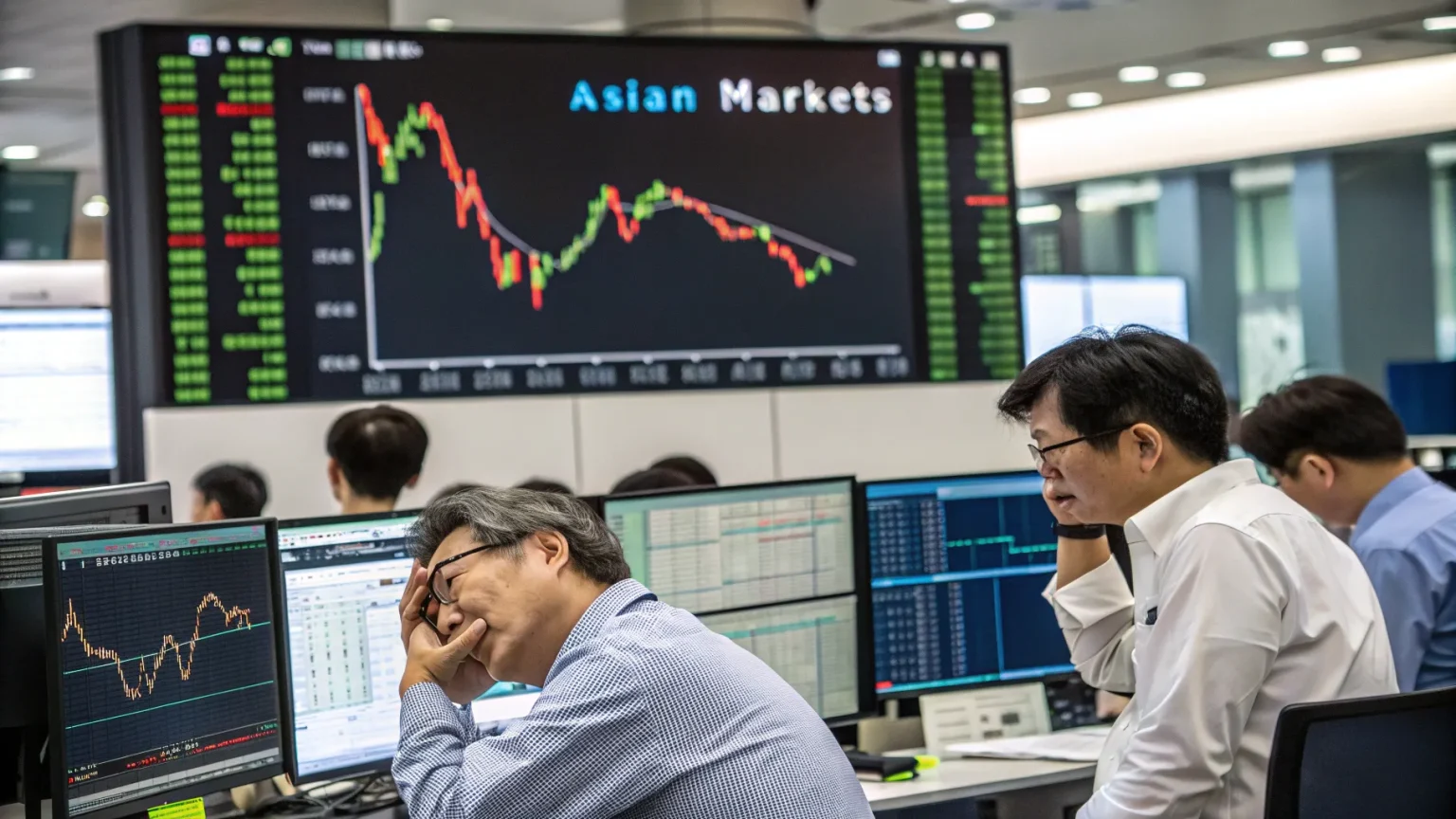
Trump tariffs stock market reactions were on full display this week as Asian shares slid on Tuesday and U.S. Treasury yields rose to a four-month high. The combination signaled a sharp pullback from risk, with selling spilling from Asian equities into U.S. assets and rippling across global markets. For self-employed investors watching their retirement accounts and brokerage balances, the move is a useful stress test of how portfolios react when tariff threats and rate expectations shift at the same time.
Asian stocks fell on Tuesday, while the dollar remained under pressure and U.S. Treasury yields climbed to their highest level in more than four months, as a resurgence of trade-war concerns hit risk sentiment and sparked selling in U.S. assets.
The move came during the Asia trading session, when investors reacted to signs of a possible flare-up in tariff threats. Rising U.S. yields added pressure, hinting at changing expectations for interest rates and inflation. The combination unsettled equities and pushed traders to reassess their exposure across both U.S. and international holdings.
Why trump tariffs stock market reactions hit Asia first
Asia is sensitive to U.S. trade policy because exports drive earnings for many of its largest companies. Semiconductor suppliers in Taiwan and South Korea, machinery makers in Japan, and logistics hubs across the region feel the impact when trade slows or input costs rise. When trump tariffs stock market headlines hit during Asia trading hours, the regional indexes typically take the first hit before the move washes back into U.S. and European markets.
Equity indexes across East Asia weakened, with export-focused markets feeling the strain. Investors worried that new trade barriers could weigh on corporate earnings and global supply chains. Technology and industrial names were among the first to react, since both sectors carry direct tariff exposure on hardware and components.
Liquidity often thins during the Asia session, especially in U.S. dollar instruments, which can magnify the size of moves when news breaks. That technical factor explains some of why the initial selling looked sharper than the underlying news might suggest.
Why Treasury yields are climbing
Several forces can lift Treasury yields. Expectations for fewer or later rate cuts push the entire curve higher. Persistent inflation adds to that pressure. If trade tensions resurface, some investors price in higher import costs and potential supply disruptions, which feeds inflation concerns and raises term premiums.
Another factor is supply. Larger Treasury issuance can lift yields if buyers demand more compensation to absorb new debt. When anxiety about policy or trade grows, some investors step back from the auction process, seeking clearer signals before returning. According to the Federal Reserve’s monetary policy statements, the rate path remains data-dependent, which means single events like a tariff escalation can move expectations meaningfully.
For self-employed savers holding cash in money market funds or short-duration Treasuries, higher yields are a quiet positive. The same higher yields, however, pressure long-duration bonds, REITs, and rate-sensitive equities held inside Solo 401(k) or SEP-IRA accounts.
Trade tensions back in focus
Memories of earlier tariff battles remain fresh for traders. During 2018 and 2019, each new tariff list and countermeasure knocked markets briefly. Companies delayed investment, and manufacturers shifted sourcing. Even the hint of renewed friction can spark rapid de-risking across equities and credit, which is exactly what played out this week.
The Office of the U.S. Trade Representative tracks current Section 301 actions and tariff lists, and any updates from that office tend to move markets quickly. Investors who track those filings directly often see the news hours before it shows up in the financial press.
Dollar under pressure despite higher yields
The dollar usually strengthens when U.S. rates rise. The opposite reaction this week hints at something broader. Investors may be trimming U.S. assets across the board, which can weaken the currency even as yields climb. When investors cut positions in U.S. stocks and some bonds at the same time, the currency can fall on the net outflow.
Positioning matters too. If traders were heavily long the dollar going into the news, even a small change in the outlook can trigger a sharp reversal. Concerns about growth, fiscal deficits, or policy uncertainty can add to the selling pressure regardless of where rates are headed.
What it means for self-employed investors
Trump tariffs stock market headlines tend to produce abrupt swings, and the Asia hours can magnify them. For self-employed investors, the response should be measured rather than reactive. If your retirement plan is built around long-term contributions to a Solo 401(k) or SEP-IRA, the right move during a tariff-driven selloff is usually to keep buying, not to step aside.
Specific things to watch over the next few weeks:
- New tariff announcements or negotiation updates from the U.S. and trading partners.
- Inflation data releases and Federal Reserve communications on the rate cut path.
- Earnings guidance from export-heavy companies in semiconductors, autos, and industrials.
- Treasury auction demand and bid metrics for any signs of softening international demand.
- Currency moves and how they ripple into commodity prices.
For freelancers and consultants who depend on irregular income, the bigger question is cash management. A six to twelve month operating reserve gives you the cushion to stay invested through volatility without selling at the wrong time. Our self-employed bookkeeping guide walks through the cash flow setup I recommend for solo operators and small teams.
Sectors most exposed to trump tariffs stock market shocks
Tariffs hit consumer goods and industrial inputs first. Retailers with strong private labels and flexible sourcing tend to absorb the hit better than peers locked into single-supplier agreements. Industrials connected to domestic infrastructure projects can benefit from local demand even while paying higher materials costs.
Technology earnings remain hostage to global supply chains. Hardware makers face cost and logistics challenges, while software and services have less direct exposure to goods tariffs. Energy and materials track global growth and the dollar, which means they can swing either way during a tariff cycle. Health care demand stays relatively steady, though pricing policy is always worth watching alongside the tariff news.
If you are still firming up your business model and income streams, our roundup of self-employment ideas covers proven service and product models that can pair with brokerage investing to create more durable household cash flow during volatile market periods.
Outlook and next steps
Volatility may persist until there is clarity on trade policy. A firm schedule for talks or a pause in tariff threats could stabilize sentiment quickly. Without that, equities may face further pressure, especially in sectors tied to global demand.
Higher U.S. yields will remain a key variable. If inflation data eases and policy guidance turns more dovish, yields could retreat, supporting both stocks and the dollar. If not, financing costs may rise further and weigh on rate-sensitive assets like REITs and small caps.
The takeaway for self-employed investors is clear. Trade worries have returned to the fore, complicating the rate outlook and pressuring global markets. The portfolios likely to do best in this environment are diversified, lean on quality balance sheets, and avoid concentration in tariff-exposed single names. For tax-side planning that fits with this kind of long-term investing, our essential forms for self-employed professionals guide covers the Solo 401(k), SEP-IRA, and quarterly tax voucher framework.
Frequently asked questions
Why did Asian markets fall on trade news?
Asian markets are heavily export-driven, so tariff threats hit corporate earnings expectations there first. When trump tariffs stock market headlines break during Asia trading hours, regional indexes usually move before the news washes back into U.S. and European trading.
Why are U.S. Treasury yields rising at the same time?
Several forces lift yields together: expectations of fewer Federal Reserve rate cuts, sticky inflation, and tariff-driven import cost worries that raise term premiums. Larger Treasury issuance can also push yields higher when buyers demand more compensation.
Why is the dollar weakening even as yields rise?
The dollar usually strengthens with rising rates. When it weakens alongside higher yields, it usually means investors are trimming U.S. assets broadly. Net outflows can drag the currency down even when the rate spread should support it.
Should self-employed investors sell during tariff selloffs?
For most long-term investors, no. Reactive selling on every news cycle tends to lock in losses and miss the recovery. Keep retirement contributions consistent through volatility, and review your allocation annually rather than after each news event.
Which sectors are hit hardest by tariffs?
Consumer goods, semiconductors, autos, and industrial input suppliers carry the heaviest direct tariff exposure. Software, services, and domestic infrastructure plays are typically less affected by tariffs on physical goods.
How can I protect my portfolio from tariff volatility?
Diversify across sectors and geographies, lean on quality balance sheets, and keep a cash reserve large enough to cover six to twelve months of operating expenses. That cash buffer prevents forced selling during downturns and lets you keep buying when prices fall.
Where can I track current tariff actions?
The Office of the U.S. Trade Representative posts Section 301 investigations and tariff lists at ustr.gov. The Federal Reserve publishes monetary policy decisions at federalreserve.gov. Both are the official sources financial press cite when reporting on tariff and rate news.


