

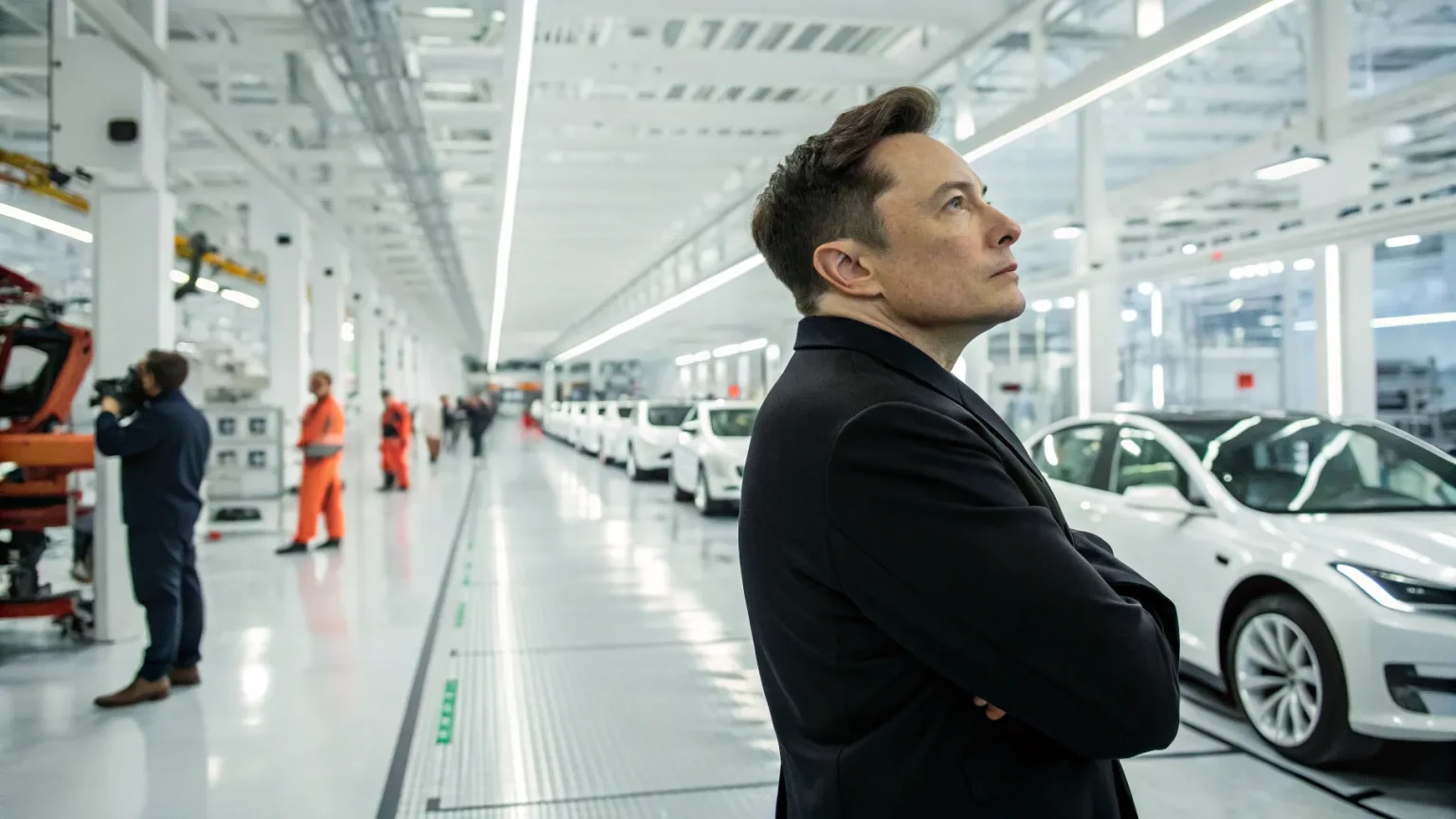
Tesla CEO Elon Musk is under fresh pressure as the company nears a key delivery update and a self-imposed target on autonomous ride-hailing. Investors are watching to see whether a promised Tesla robotaxi milestone will arrive as a soft auto market and questions about demand weigh on the electric-car leader. For self-employed rideshare drivers, delivery couriers, and gig economy operators, the deadline is more than a stock-market story. It is a preview of how quickly your livelihood could change.
I have been writing about gig work since the early days of Uber and DoorDash. Every time autonomy looks like it is finally close, drivers and couriers ask me the same question: how soon do I need to plan my exit, and into what? The Tesla robotaxi push, real or delayed, is the next big test of that timeline.
Background on the Tesla robotaxi promise
Musk has pitched autonomy as Tesla’s future for years. He has floated timelines for hands-free driving and a driverless taxi network, dating back to a 2019 pledge that a million robotaxis could be on the road in 2020. Those targets slipped as software, safety, and regulatory hurdles piled up.
Tesla sells Full Self-Driving as an add-on feature, but it still requires human supervision. Regulators have scrutinized the system’s safety claims. The U.S. National Highway Traffic Safety Administration has opened probes and ordered software updates to address risks in advanced driver-assistance systems. The company continues to iterate the software with frequent updates and a push toward a camera-only approach.
Rivals have taken different paths. Alphabet’s Waymo operates driverless services in parts of Phoenix, San Francisco, and Los Angeles. General Motors’ Cruise suspended driverless operations in late 2023 after a safety incident and has been working through a staged return. This split shows both the promise and the difficulty of commercial autonomy.
Why this Tesla robotaxi deadline matters to gig drivers
If you drive for Uber, Lyft, DoorDash, or Instacart, the Tesla robotaxi rollout is the most concrete near-term threat to your earnings. A real driverless service in even a handful of metros could pull down surge pricing, depress per-ride pay, and shift volume away from human drivers in those markets first.
The honest take is that timing remains the question. After helping dozens of full-time drivers think through career pivots, I tell them the same thing: do not bet on autonomy arriving on Musk’s timeline, but do not assume it never arrives either. Plan for both outcomes.
What a Tesla robotaxi milestone could actually look like
Any concrete robotaxi update could take several forms. It could be a product reveal, a pilot program, a limited-service launch in a defined area, or a new software build with measurable performance gains. Each would have different legal and safety hurdles.
- A pilot with safety operators would be easier to start but less groundbreaking.
- A driverless launch would require state and local approvals and a strong safety case.
- A software-only update would need clear data showing improved performance.
Regulators will ask for evidence on crash rates, disengagements, and how the system handles complex road scenarios. Local acceptance also matters. San Francisco’s debates over robotaxi congestion and emergency responses show how public sentiment can sway policy.
Multiple viewpoints on timing and risk
Supporters say pushing fast is necessary to maintain leadership and learn from real-world miles. They argue Tesla’s fleet data is an advantage, letting the company improve software across millions of cars at once. They also see autonomy as a hedge against slowing EV growth.
Skeptics highlight the record of delayed targets and the gap between supervised Full Self-Driving and a true driverless service. They warn that overpromising can damage trust and distract from core issues like product cycle updates, price pressure, and service quality. Analysts also caution that even an eye-catching reveal may not translate to near-term revenue.
How self-employed drivers should prepare
Whether the Tesla robotaxi service launches this quarter or three years from now, the smart move for self-employed drivers is the same: diversify your income streams now while you have the cash flow to do it. I generally recommend three parallel tracks:
- Build a non-driving skill that can become billable within 6 to 12 months. Bookkeeping, virtual assistance, or trade work all qualify.
- Move toward higher-value gig categories like medical courier work, executive driving, or large-vehicle delivery, which are slower to automate.
- Treat your driving income like a small business, with separate accounts, mileage tracking, and quarterly tax planning, so you can transition cleanly if needed.
For tax mechanics, our essential forms guide covers what gig drivers need to file. For pivot ideas, our self-employment ideas guide lays out options that range from low-startup-cost services to scalable digital products. And if you are considering trades or in-person services, our self-employed bookkeeping guide can help you set up the financial side from day one.
What to watch next from Tesla
The immediate markers are straightforward: the headline delivery number and any specific, verifiable step on robotaxis. Clear timelines, stated geographies, and defined testing protocols would help investors and drivers separate marketing from milestones.
Longer term, attention will focus on safety data, partnerships with cities, and the cost of scaling a driverless network. Competitor moves from Waymo, Cruise, and Chinese tech-auto alliances will set the pace on where and how autonomy expands.
As the deadline closes in, the stakes are high. A solid delivery report could steady sentiment. A credible Tesla robotaxi update could shape the next phase of the company’s story and the gig economy along with it. Without both, questions about timing and execution will only grow.
Frequently asked questions
What is the Tesla robotaxi service?
Tesla robotaxi refers to Elon Musk’s planned driverless ride-hailing network using Tesla vehicles. The exact rollout timeline has shifted multiple times since the original 2019 pledge.
When will the Tesla robotaxi launch?
No firm public date is in place for a fully driverless commercial service. The company has run pilots and demos and continues to update its Full Self-Driving software, but a true robotaxi rollout still depends on regulatory approval and safety performance.
How will the Tesla robotaxi affect rideshare drivers?
A real driverless service in even a few major metros could pull down surge pricing, reduce per-ride pay, and shift volume away from human drivers. The size and speed of the impact will depend on where Tesla can legally operate and at what scale.
Is Tesla Full Self-Driving the same as a robotaxi?
No. Full Self-Driving today still requires a human driver to supervise. A robotaxi service would mean fully driverless operation, which carries far higher safety and regulatory bars.
Who else is competing in the robotaxi space?
Alphabet’s Waymo runs driverless services in several U.S. cities. General Motors’ Cruise has been working through a staged return after a 2023 safety incident. Chinese tech-auto alliances are also developing autonomous fleets.
What should self-employed drivers do to prepare?
Diversify income streams, build a non-driving skill that can become billable within a year, and treat your driving work like a small business with proper bookkeeping and tax planning so you can pivot cleanly if autonomy accelerates.
Photo by Hyundai Motor Group on Unsplash


