

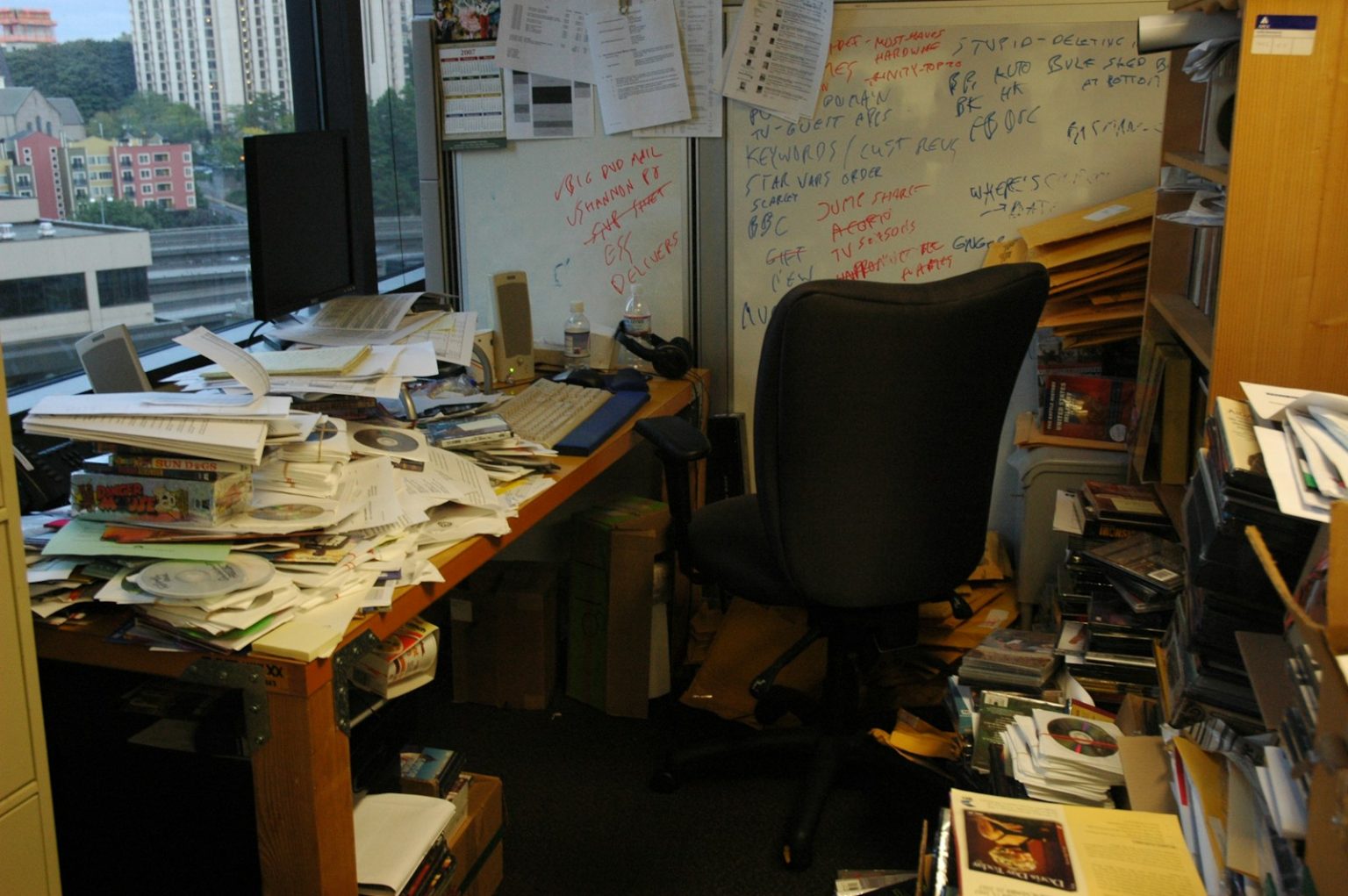
If you’re self-employed, your calendar probably looks unhinged to anyone on the outside. Client calls are stacked next to deep work blocks, half-hour gaps that look accidental, and random afternoons that seem suspiciously open. It can feel especially uncomfortable when you compare it to the neat, color-coded schedules people post online. But here’s the quiet truth: many experienced freelancers learn the hard way. A messy calendar is not the same thing as a disorganized business.
For solo operators, order rarely looks tidy. It looks adaptive. It reflects client demand, cash flow timing, energy management, and the reality of doing strategy and execution yourself. We’ve seen this pattern repeatedly among sustainable freelancers. The most consistent earners are not the most rigid. They are the most responsive. If your schedule feels chaotic but your business keeps moving forward, you may be seeing disorder where there is actually structure.
Below are five signals that your messy calendar is hiding something more intentional and more stable than you think.
1. Your Busy Days Cluster Around Revenue, Not Random Tasks
At first glance, your messy calendar might look like a pileup of calls, revisions, and deadlines. But when you zoom out, a pattern often appears. The busiest days tend to align with revenue-generating work. Client delivery. Sales calls. Proposal reviews. Invoices are going out.
This matters because sustainable self-employed businesses unconsciously prioritize cash flow. Experienced consultants we’ve worked with often admit they don’t plan their weeks perfectly. But their calendars still bend toward paid work when pressure increases. The chaos clusters where money is made, not where busywork lives.
If your packed days are tied to deliverables clients pay for, that’s not a lack of control. That’s an intuitive understanding of leverage. Administrative tasks and experiments expand when there is slack. Revenue work crowds the calendar when it matters most.
2. You Leave Space Without Fully Knowing Why
Those empty blocks can trigger anxiety. Shouldn’t every hour be used? Especially when income is variable? But many high-functioning freelancers leave intentional white space without labeling it.
This space absorbs overruns, client emergencies, mental fatigue, or unexpected opportunities. It is also where strategic thinking happens, even if it looks like a walk, a long lunch, or an early stop.
Behavioral research on knowledge workers consistently shows that cognitive performance drops when every hour is pre-allocated. Solo workers feel this faster because there is no team to buffer the overload. If your messy calendar has gaps that seem unplanned but consistently save your week, that’s not chaos. That’s a pressure-release system you’ve built through experience.
3. Your Calendar Changes Weekly, but Your Output Stays Consistent
One of the clearest signals of hidden order is this contradiction. Your schedule never looks the same, yet clients keep getting what they paid for.
This usually means you’ve separated outcomes from routines. Instead of protecting a rigid daily structure, you protect delivery standards. The work gets done even if the path there shifts week to week.
Longtime freelancers often say their weeks stabilize only after they stop forcing uniformity. Client needs fluctuate. Creative energy fluctuates. Personal obligations fluctuate. The order lives in the commitments you honor, not the time blocks themselves.
If your calendar is fluid but your reputation is solid, you’re operating with adaptive structure. That’s a strength in self-employment, not a flaw.
4. You Can Reschedule Without Everything Falling Apart
Early in the freelance journey, moving one meeting can feel catastrophic. Later, you realize something important. A resilient calendar can bend.
If you can push a call, swap a work block, or compress a day without missing deadlines, you’ve built slack into your system. That slack is invisible to outsiders, but it’s essential for sustainability.
This often shows up after painful lessons. Burnout. Missed deadlines. Overcommitting. Many seasoned solo founders describe this as a turning point. They stopped optimizing for a perfect week and started optimizing for recovery and continuity.
A calendar that survives disruption is better than one that only works when everything goes right.
5. You Know Which Commitments Are Non-Negotiable
Hidden order reveals itself most clearly in what you refuse to move. Even in a chaotic-looking calendar, certain anchors stay fixed. A weekly revenue review. A client delivery window. A personal boundary that protects your health or family time.
These anchors act like load-bearing walls. Everything else can shift around them. Outsiders see disorder. You see priorities.
A straightforward way to spot this is to list what you consistently protect:
- Client delivery deadlines
- Revenue review or invoicing time
- One recovery or thinking block per week
If those stay intact while everything else flexes, your calendar is doing its job. It’s expressing values, not aesthetics.
Closing
Self-employment rarely produces tidy schedules. It produces living systems that adapt to demand, energy, and opportunity. If your messy calendar looks chaotic but your business keeps moving forward, that’s not something to fix immediately. It’s something to understand.
Hidden order often shows up as responsiveness, not rigidity. Before you overhaul your schedule, ask whether it’s actually failing you or just failing to look impressive. Sustainable solo businesses are built on what works, not what photographs well.
Photo by Wonderlane; Unsplash


