


Running my own shop taught me one hard truth: a broken wrist or a tough diagnosis can do more damage to my income than a slow quarter. I started hunting for short-term disability insurance after a contractor friend spent eight weeks off work and drained savings faster than expected. I didn’t want to learn that lesson the same way. I manage editorial work every day, but benefits shopping felt like a maze. Terms change by state, quotes shift with age and occupation, and many sites push long-term plans when I only needed months of coverage. I wanted a simple, affordable safety net—nothing fancy, just income protection that would actually pay out on time.
Talking with independent agents and founders reminded me of something obvious: the pros keep it practical. They pick a clear benefit amount, a realistic elimination period, and they avoid riders they’ll never use. That’s the playbook I followed while reviewing options for our team and readers. You don’t need the most complex contract or a premium brand name. You need a policy you can afford, with definitions you understand, from a company that actually pays claims. That’s it. Everything else is a bonus.
Comparison of 6 top short-term disability insurance for self-employed in 2026 with pricing and recommended use cases
What is short-term disability insurance?
Short-term disability insurance is a personal insurance policy that replaces part of your income for a limited time if you’re sick or injured and can’t work. It’s a service contract, not health insurance, and it pays you cash benefits, usually weekly or monthly, for a few months up to a year. There’s an old line I like: cash flow is oxygen. For self-employed folks, that’s doubly true. Short-term disability matters because it helps you meet rent, payroll, or groceries when your body needs a timeout—and clients can’t wait forever.
Think of it this way: missing eight weeks at $4,000 a month is an $8,000 hit. A basic short-term policy can cover a meaningful slice of that, while keeping you from tapping high-interest debt or draining savings you planned for taxes or growth. At its core, short-term disability serves independent professionals, freelancers, and small business owners by paying a defined benefit when a covered disability keeps them from doing their job, after a waiting period, until they recover or reach the end of the benefit period.
Many pair it with emergency savings, long-term disability for bigger events, and business overhead expense insurance to keep rent and utilities covered if they can’t work. Accident and critical illness policies can also layer extra cash for specific events. Not every policy is equal on definitions, exclusions, or cost, so it pays to compare carefully before you choose.
How to choose the best short-term disability insurance
Choosing can feel overwhelming. Carriers use different terms, state rules vary, and quotes swing based on age, health, and job duties. It’s a lot when you just want reliable coverage that won’t wreck your budget. I wrote this to help you find a policy that fits your work and cash flow. My picks focus on clear definitions, simple claims, and affordable paths to get started, with room to upgrade if needed later on.
Most comparison guides online are written by carriers or pay-to-play outlets that push sponsored listings. I don’t take sponsorship from any platform on this list. What follows is my straight, unsponsored take based on real research and quotes I ran myself.
Here are some questions you should ask when looking for a policy:
- How generous are issue limits for new applicants in your state?
- Is the application fast and clear for core tasks like quotes and e-sign?
- Can you scale benefits later without full medical underwriting?
- How does the premium change as you age or adjust benefits?
- Do definitions (own-occupation, partial disability, recurrent) match your work?
- What claims data and timelines are shared, and how can you track status?
- How hard is it to switch carriers or add a broker if you’re not happy?
- Are policies guaranteed renewable or non-cancelable, and what are the limits?
- Any state-specific exclusions or maternity limitations that affect you?
6 top short-term disability insurance in 2026
Here are my top picks for the best short-term disability insurance:
- Breeze
- Policygenius
- Assurity
- Illinois Mutual
- Mutual of Omaha
- Aflac
Let’s see which one is right for you.
1. Breeze
Breeze is an online platform built to help individuals buy disability insurance with a fast, guided flow. It partners with established insurers and focuses on a clean shopping experience. The team has become known for simple quotes and plain-English explanations, which matters a lot if this is your first policy.
You can start with an instant quote in minutes and move to a full application without phone tag. The dashboard walks you through benefit amount, elimination period, and benefit length. Daily tasks are straightforward: compare options, upload docs, and check application status without chasing emails.
Recent updates have expanded product access, including more simplified-issue options in many states. That lowers friction for healthy applicants who want coverage fast. I’ve also seen clearer explanations around partial disability and own-occupation language, which helps avoid surprises at claim time.
Higher-tier features depend on the underlying carrier, but Breeze often surfaces riders like residual/partial disability, future increase options, and catastrophic disability. Some carriers also offer business overhead expense policies you can request through the same flow, which is handy for sole proprietors with fixed costs.
I use Breeze for quote comparisons because I like seeing real numbers fast and toggling benefit periods without a sales call. It keeps the process grounded in my budget instead of guesswork. That alone makes it a favorite for me and my team’s testing.
Support is responsive through chat and email, and the educational content is solid. I also appreciate that Breeze is upfront when an application needs full underwriting, so you’re not surprised by requests later.
How Breeze works and key features
Breeze uses a step-by-step online interface that feels like a guided form rather than a maze. The quote tool updates as you adjust benefit amount, elimination period, and benefit length. Customization depends on the carrier, and advanced users can request riders like residual disability or future increase options when available. You’ll see a breakdown of potential benefits, premiums, and state notices before you apply. Reporting is focused on your application status—submitted, in review, approved—so you always know next steps. Automation handles reminders and document requests, which keeps the process moving. Breeze also offers educational resources that explain policy definitions in plain language. Support is available through chat, email, and scheduled calls with licensed agents. The overall experience strikes a balance: friendly for first-timers, with enough depth for people who want to fine-tune coverage details.
Who Breeze is for
Best for freelancers, independent creatives, consultants, tradespeople, and solo owners who want fast, online quotes and simple applications. It shines if you value transparency and want to compare multiple carriers from one place. If you need a very specialized policy or complex occupational coverage, a niche broker might be better. No advanced technical skill is needed—just your income details and a few minutes.
Breeze pricing
Breeze itself doesn’t set rates; premiums come from the carrier you choose. Pricing varies by state, age, health, occupation, benefit amount, elimination period, and benefit length. You can start with a free quote and see options before you apply.
- Quote-Based Plan: Price varies by inputs, includes online application, status tracking, and access to carrier riders when available
Compared with calling multiple agents, Breeze is a time-saver and often surfaces low-cost short-term setups first. Annual payment options, discounts, and riders depend on the carrier. If you’re price-sensitive, tweak the elimination period and benefit amount in the quote tool to find a budget-friendly spot.
Breeze pros and cons
- Pros
- Instant, transparent quotes across carriers
- Clear explanations of key definitions and riders
- Simple application and status tracking
- Great for budget tuning via sliders
- Cons
- Carrier availability varies by state
- Very complex occupations may need a niche broker
- Some riders depend on the underlying insurer
If you want speed and clarity, Breeze is hard to beat. If your case is unusual, a specialist broker might fit better.
Breeze reviews
Public, third-party review counts fluctuate and may not reflect disability-only experiences. Breeze has a growing online presence, but consistent star ratings across major platforms are limited. I rely more on direct user feedback and my own quoting experience here.
2. Policygenius
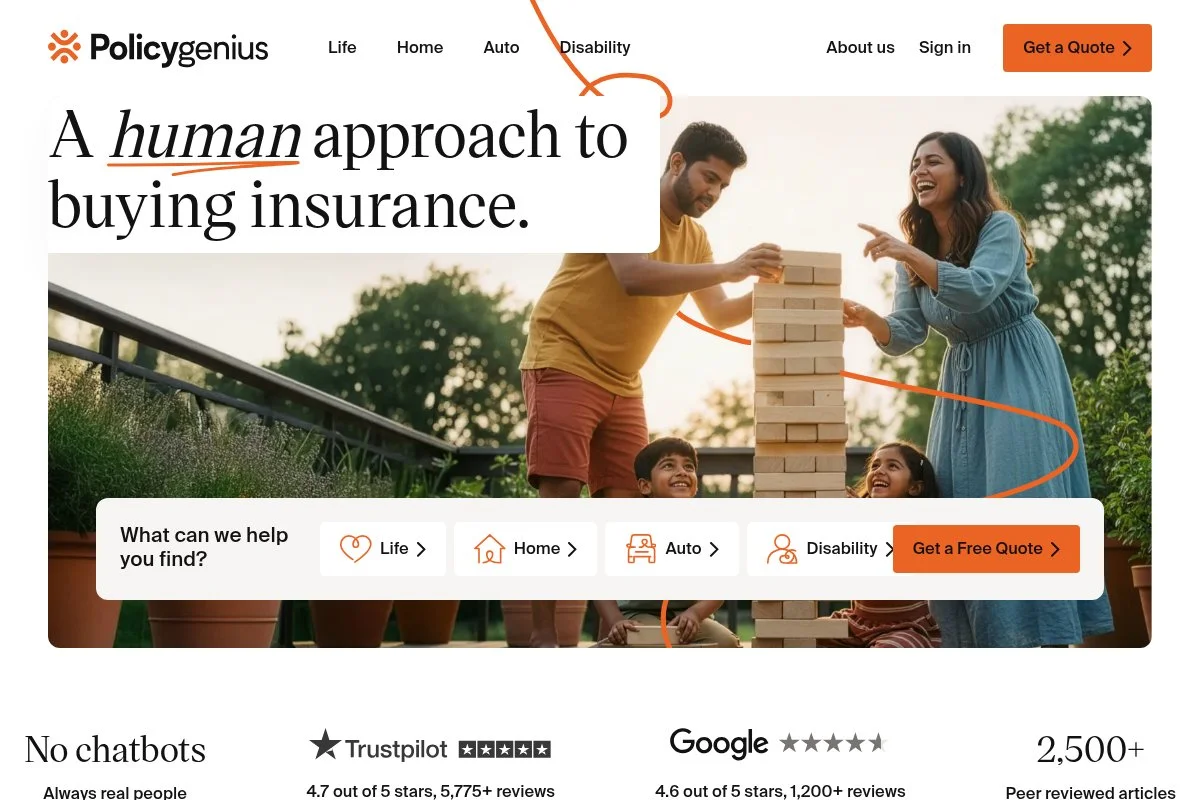
Policygenius is a well-known online insurance broker that helps shoppers compare quotes from multiple carriers. The company has earned trust for its education-first approach and licensed support team. It’s especially helpful if you want a human to sanity-check definitions and riders before you sign anything.
You can kick off with an online form and see options across carriers. The interface is friendly, and the team will walk you through benefit periods, elimination periods, and partial disability coverage. I like that they break down trade-offs in plain language and don’t rush you into a decision.
Recent enhancements have focused on faster digital workflows and clearer status updates. That trims the back-and-forth many of us dread. I’ve also seen better clarity around state-specific rules, which saves time and frustration later in underwriting or claims.
On premium features, it depends on the carrier you choose, but Policygenius will surface riders such as own-occupation, residual disability, and future increase options. They’ll also note when business overhead expense or long-term disability is worth adding to your setup.
I’ve used Policygenius to cross-check quotes and confirm I’m not missing better terms elsewhere. Having a licensed human double-check complex definitions has saved me from paying for riders I didn’t need.
Support is a standout here. The team is patient, organized, and good at translating policy-speak into real-life use cases for freelancers and small business owners.
How Policygenius works and key features
Policygenius uses a guided online intake to pull quotes from several carriers. The interface is clean and lets you compare definitions, benefit periods, and riders side by side. Templates aren’t part of the game here; instead, you get structured recommendations and carrier summaries. Technical users can request detailed policy specs, specimen forms, and underwriting notes. You can track application steps, upload documents, and message your advisor in one place. Automation keeps you updated on underwriting and any required exams. Beyond disability, you can shop life, home, and other coverage inside the same account. Support is strong by phone, email, and chat, and that human layer is the value—especially for first-time buyers.
Who Policygenius is for
Great for creators, agency owners, medical freelancers, consultants, and trades who want to compare multiple carriers with a licensed guide. It’s ideal if policy language makes your head spin and you want help matching riders to your work. If you already know the exact carrier and plan you want, you might go direct to save a step. No special technical skill required—just your income and health details.
Policygenius pricing
Policygenius is free to use. Premiums come from the carrier you choose and are based on age, health, occupation, benefit amount, elimination period, and benefit length. You can see quotes before talking to an advisor, then fine-tune with their help if you want.
- Brokered Policy: Quote-based, includes side-by-side carrier comparisons and licensed support
Value depends on the carrier and configuration you select. Policygenius helps you find cost savings by adjusting elimination periods and riders. If you’re comparing annual versus monthly billing, they’ll show you the math so you can pick what fits your cash flow.
Policygenius pros and cons
- Pros
- Multiple carrier quotes in one place
- Excellent human support and education
- Helpful for tricky state or occupation rules
- No fees to use the platform
- Cons
- Extra step if you prefer going direct
- Some products may require phone calls or exams
- Final features depend on the chosen carrier
If you want guidance without pressure, Policygenius is a strong choice. If you’re set on a specific carrier already, direct purchase may be faster.
Policygenius reviews
Policygenius has extensive public feedback across major review platforms, often for multiple product lines. Because ratings mix different insurance types, I recommend reading recent disability-specific comments to get the clearest picture.
3. Assurity
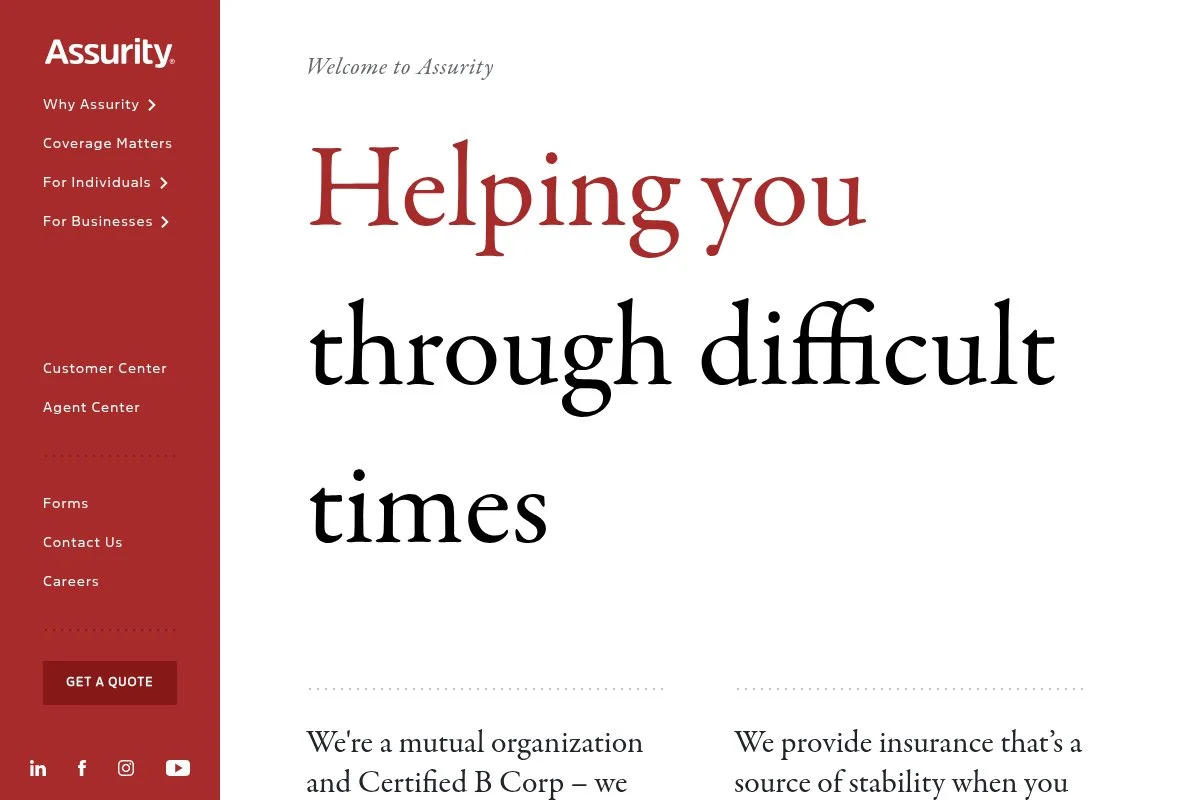
Assurity is a mutual insurer known for approachable underwriting and accessible disability options. Its simplified-issue paths (where available) can be friendly for healthy applicants who want coverage without a long underwriting process. For budget-minded self-employed folks, Assurity often surfaces as a solid, no-drama pick for short-term needs and basic riders.
Getting started usually runs through a broker or online partners like Breeze. Expect clear choices for benefit amounts, elimination periods, and benefit durations. The application flow is direct, and many applicants won’t need a medical exam, depending on the configuration and state rules.
Assurity has refreshed product materials in recent years, improving clarity on partial disability and return-to-work features. I’ve noticed better transparency around exclusions and state variations, which is exactly what first-time buyers need to avoid confusion at claim time.
Assurity policies can include riders like residual/partial disability, own-occupation definitions, and future benefit increases where eligible. These options help you grow coverage as your income rises without starting from scratch. That’s helpful if your freelance income has been climbing year over year.
I’ve placed Assurity on shortlists for readers who wanted straightforward, affordable protection and didn’t need complex occupation classes or heavy customization. It’s a steady carrier with a practical approach to short-term coverage.
Educational brochures are clear, and agent support is easy to reach. Claims experiences can vary, as with any insurer, but clarity upfront about definitions helps set fair expectations.
How Assurity works and key features
Assurity policies are applied for through agents or approved online platforms. The interface you use may vary, but the key levers are the same: benefit amount, elimination period, benefit duration, and riders. Customization is solid for the price segment, with options for residual disability and benefit increases in many states. You’ll track application progress through your broker or partner portal. Claims statistics and status tracking are available through the carrier once you’re a policyholder. Assurity also offers related products like critical illness and accident coverage, which some self-employed buyers stack with disability for extra cash protection. Support is available by phone and through licensed agents, and materials explain core ideas in straightforward language. The overall feel is beginner-friendly with enough flexibility for growth.
Who Assurity is for
Best for freelancers, gig workers, salon owners, fitness coaches, and trades who want an affordable, straightforward policy. It works well if you value simplified underwriting and clear rider options. If you have a highly specialized medical or technical occupation class, a carrier with broader occupation underwriting might fit better. No advanced skill needed to apply—just be ready with income proof and basic health info.
Assurity pricing
Assurity’s premiums are quote-based and depend on age, health, occupation, state, benefit amount, elimination period, and benefit duration. You can request quotes through agents or online partners and compare several setups side by side before you apply. No-fee quotes are standard.
- Individual Disability Policy: Quote-based, includes options for residual disability and benefit increase riders (state availability varies)
Relative to peers, Assurity often prices competitively for basic short-term configurations. Discounts, non-tobacco rates, and payment schedules vary. If budget is tight, consider a longer elimination period and a benefit length that matches your emergency savings timeline.
Assurity pros and cons
- Pros
- Accessible underwriting in many states
- Clear, practical rider choices
- Good fit for budget-first buyers
- Works well through online partners
- Cons
- Occupation classes may be tighter than some larger carriers
- Portal experience depends on partner platform
- State availability can vary for specific riders
If you want affordable protection with plain-English options, Assurity belongs on your shortlist. If you need very high benefit limits, check a big national carrier as well.
Assurity reviews
Public, third-party reviews specific to disability can be limited and mixed with other product lines. I suggest asking your agent for recent claim turnaround details and reading current policyholder feedback for your state.
4. Illinois Mutual
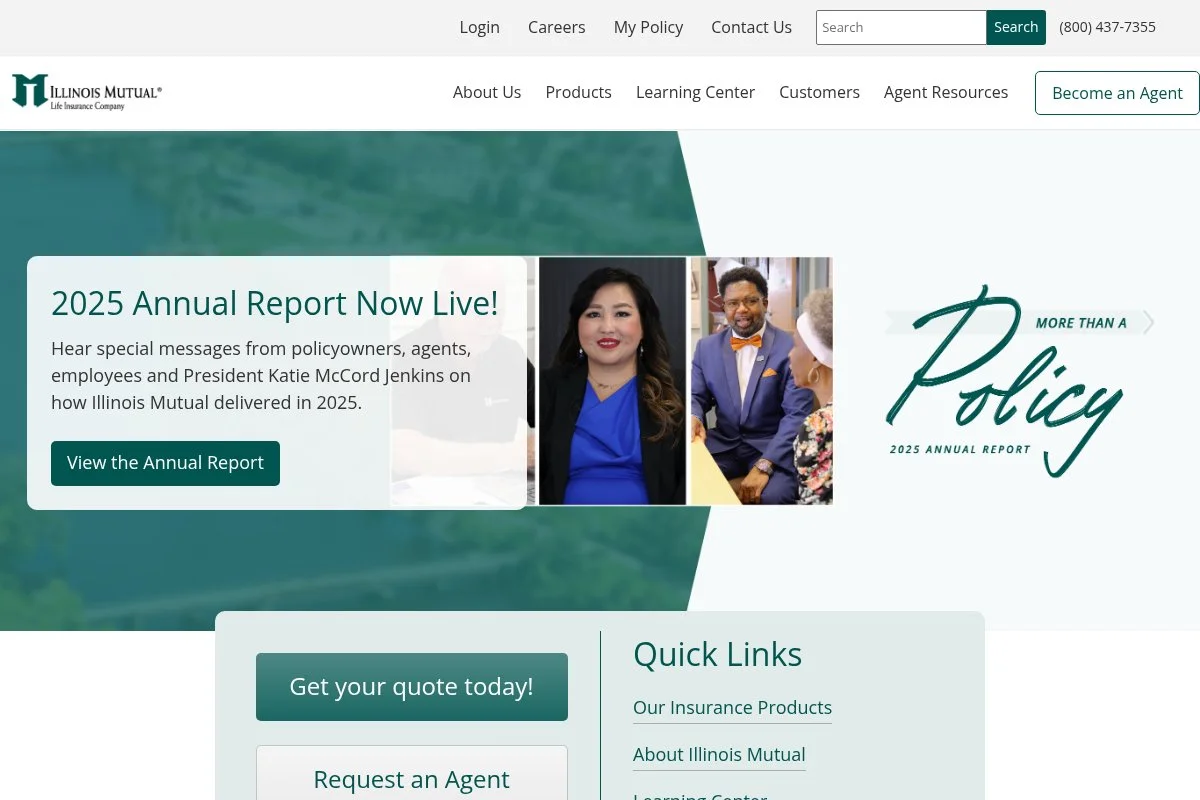
Illinois Mutual offers individual disability insurance with products like Paycheck Power, a known option among independent trades and local professionals. It’s a carrier that many community agents trust, and I’ve seen strong fits for self-employed buyers who prefer an agent-led, personal approach rather than a pure online flow.
Getting started usually means working with a local or online agent to quote several configurations. The core decisions are familiar: benefit amount, elimination period, benefit length, and riders. The company’s materials are practical and focus on income replacement you can actually qualify for and afford over time.
Recent product refreshes have improved clarity on partial disability and return-to-work support. Many self-employed folks care about that bridge back to full speed, and Illinois Mutual does a good job explaining how benefits taper as you earn again after a claim.
Higher-end options include residual/partial disability coverage, own-occupation definitions when eligible, and riders to increase benefits later. For some, business overhead expense coverage is available through the same agent, which pairs well with short-term disability to protect fixed costs like rent and utilities.
I see Illinois Mutual as a steady, relationship-driven choice. If you prefer a conversation with a human who knows your local market and state rules, this is a good lane to explore.
Agent support is the highlight: they help match definitions to your trade and income pattern, which matters when your monthly earnings are seasonal or project-based.
How Illinois Mutual works and key features
Quotes and applications run through licensed agents who present multiple configurations and walk you through underwriting requirements. You’ll decide on benefit levels and riders, then track status through your agent and carrier portal. Advanced users can request detailed policy specs, including how partial disability and recurrent disability are handled. While you won’t find “templates,” you will get clear examples and scenarios in carrier materials. Beyond disability, you may see add-ons like business overhead expense or accident coverage. Phone support is strong, and many agents offer text and email check-ins during underwriting and claims. Overall, it’s practical and reassuring, especially for first-time buyers who want a guide.
Who Illinois Mutual is for
Best for contractors, electricians, plumbers, salon owners, and local pros who prefer a personal agent. It’s a match if you value clear explanations and steady pricing for basic benefits. If you want fully self-serve online, a platform like Breeze will be faster. No advanced skill needed—bring income records and be ready for a health review.
Illinois Mutual pricing
Premiums are quote-based and reflect age, health, occupation class, state, and benefit settings. You’ll work through an agent to see options and fine-tune until the premium fits your budget. Quotes are free and you can compare multiple scenarios before applying.
- Paycheck Power Disability: Quote-based, with options for residual disability and benefit increases (availability varies)
Relative to big nationals, Illinois Mutual often competes well on entry-level benefits. Ask your agent about potential discounts and payment schedules. Choosing a longer elimination period usually trims the premium if you have some emergency savings.
Illinois Mutual pros and cons
- Pros
- Agent-first support with clear explanations
- Solid fit for trades and local service businesses
- Good options for partial disability riders
- Competitive on basic short-term setups
- Cons
- No instant online quotes direct from carrier
- State availability and occupation classes vary
- Portal experience depends on your agent relationship
If you want human guidance at a fair price, Illinois Mutual delivers. If you prefer digital-only and instant quotes, go with Breeze or a similar platform.
Illinois Mutual reviews
There’s limited, disability-specific review data on major consumer platforms. Feedback often comes through local agents and policyholder referrals. I recommend asking your agent for recent claim timelines and state-specific experiences.
5. Mutual of Omaha
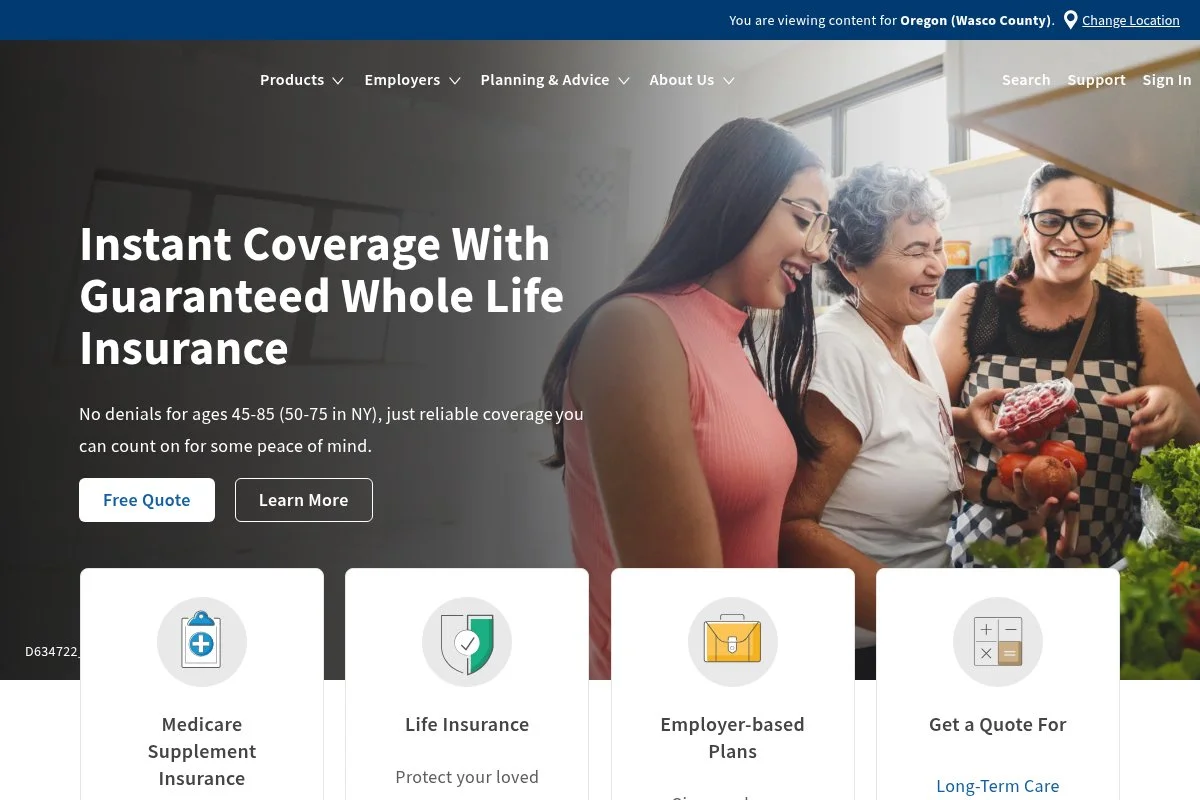
Mutual of Omaha is a long-standing national insurer with disability income options for individuals. It’s known for broad distribution through agents and a reputation for financial stability. If you prefer a familiar name and steady claims processes, it’s a worthy candidate to quote for short-term needs configured within an individual DI policy.
You’ll typically work with an agent to generate quotes and choose elimination and benefit periods that create a short-term safety net. The application process is structured and predictable, and you’ll get assistance with underwriting steps and required records. The experience isn’t flashy, but it’s dependable and clear on requirements.
In recent years, I’ve seen Mutual of Omaha modernize digital forms and speed up parts of the underwriting workflow. That reduces the time from quote to decision and helps avoid documentation ping-pong. They’re also clearer about state variations and available riders up front.
Premium features include options for residual/partial disability, own-occupation definitions when eligible, and benefit increase riders. Business overhead expense coverage may be available through the same agent, which pairs well for solo owners with rent and utilities to cover during a short leave.
I like Mutual of Omaha for readers who want carrier stability and straightforward underwriting. It’s not the cheapest every time, but the combination of clarity and brand trust is worth a look in most states.
Support through agents is reliable, and policy materials explain key definitions cleanly. That’s helpful if you’re juggling client work while shopping coverage.
How Mutual of Omaha works and key features
Quotes flow through agents who help tailor benefit amounts, elimination periods, and benefit durations. The interface you’ll see is the carrier portal plus agent emails for updates. For advanced users, you can request detailed policy specs and rider forms to review definitions line by line. Analytics here means keeping tabs on application status and underwriting requirements, with reminders handled by the agent and carrier system. Mutual of Omaha also sells related products that some self-employed buyers add, such as life insurance and accident coverage. Phone support is consistent, and agents are your main guide. The overall feel is stable and methodical, which many buyers appreciate.
Who Mutual of Omaha is for
Best for consultants, independent sales pros, medical freelancers, and established solo owners who want a national carrier with strong financial footing. It’s a fit if you prefer predictable underwriting and clear documents. If you want instant digital quotes and self-serve toggles, look at Breeze. No special skills needed, just patience for a thorough process.
Mutual of Omaha pricing
Premiums are quote-based and depend on the usual suspects: age, health, occupation, state, benefit amount, elimination period, and benefit length. You’ll compare a few setups with your agent and pick the one that matches your budget and savings cushion. Quotes are free and non-binding until you apply and are approved.
- Individual Disability Income: Quote-based, with residual disability, own-occupation, and increase options (eligibility varies)
Mutual of Omaha tends to land middle-of-the-road on price with strong definitions for the money. Ask about discounts and payment schedules. Tweaking your elimination period is the easiest lever to hit a comfortable monthly premium.
Mutual of Omaha pros and cons
- Pros
- Established national carrier with stable processes
- Clear documents and dependable underwriting
- Good rider selection for growth and partial disability
- Agent support throughout application and claims
- Cons
- No instant direct-to-consumer short-term quotes
- Not always the cheapest for every profile
- Some riders vary by state and occupation class
If you want a steady hand and solid definitions, this is a strong option. If speed and instant comparison matter most, use an online marketplace first.
Mutual of Omaha reviews
Consumer ratings are spread across many product lines, so disability-only reviews are limited. I suggest asking your agent about recent claim experiences and reading current policyholder feedback in your state.
6. Aflac
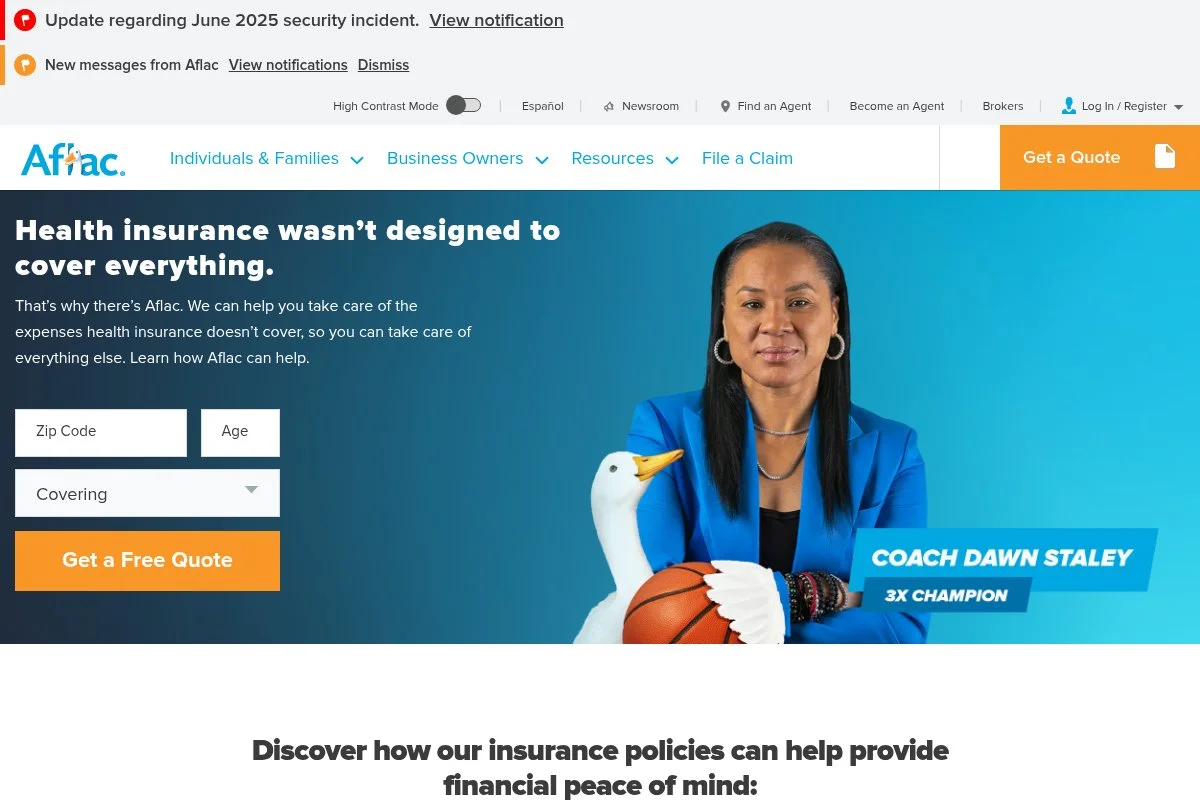
Aflac is well known for supplemental benefits and short-term disability policies, often through workplaces. In many states, self-employed buyers can work with an agent to get individual coverage. Aflac’s claim to fame is fast benefit payments for straightforward claims, which matters when cash flow is tight during a short leave from work.
The process usually starts with an agent who quotes benefit amounts and waiting periods that fit your budget. The application is simple, and online claim submission is a bright spot. For many, the attraction is quick claim review for common events, which can help bridge a few weeks without income.
Recent efforts have focused on improving digital claims and document uploads. That reduces time spent chasing paperwork and helps you get paid sooner if everything checks out. Aflac also does a solid job explaining what counts as a covered disability in policy materials, which sets fair expectations.
Riders and features vary by state, but you’ll often see partial disability, rehab support, and options to adjust benefit length. Keep in mind Aflac’s sweet spot is short-term events; for longer coverage, you may want a separate long-term policy from another carrier.
I recommend Aflac for readers who value fast claims and short benefit windows. It’s not always the cheapest, and availability varies, but the claims focus is helpful for short breaks from work.
Support through agents and online claim tools is a plus. Just confirm state availability and definitions before you commit.
How Aflac works and key features
Aflac policies are usually sold through agents, and in some areas online. You’ll choose benefit amounts, elimination periods, and benefit durations suited for short-term income gaps. There are no “templates,” but policy brochures include examples that make decisions easier. Advanced users can ask for full policy specs and rider details. Claims tracking and digital uploads are strengths, with notifications for needed documents. Aflac also offers accident and critical illness coverage many self-employed buyers bundle for extra cash. Support is available by phone, agent, and online portals. Overall, it’s friendly for first-time buyers who care most about simple, quick claims for short events.
Who Aflac is for
Best for gig workers, retail owners, fitness coaches, and salon pros who want a short benefit period and fast claims. It excels for brief leaves and straightforward conditions. If you need richer definitions or longer coverage, consider a traditional individual DI from a national carrier. No technical skill needed—just confirm state availability.
Aflac pricing
Aflac pricing is quote-based and varies by state, occupation, age, benefit amount, elimination period, and benefit length. An agent can show configurations at different price points, and you can adjust settings to hit your budget. Quotes are free to request.
- Short-Term Disability Policy: Quote-based, with options for partial disability and rider add-ons (availability varies by state)
Aflac competes on convenience and claims speed rather than the lowest premium in every case. If you’re price-first, compare with an online marketplace to see if another carrier matches Aflac’s terms at a lower cost.
Aflac pros and cons
- Pros
- Fast, simple claims for many short events
- Easy digital uploads and status updates
- Strong pairing with accident/critical illness add-ons
- Agent help for setup and claims
- Cons
- Availability and features vary by state
- Not always the lowest premium
- Short-term focus; may need a separate long-term policy
If your priority is quick cash for a short leave, Aflac is worth quoting. If you want deeper definitions or longer benefit periods, compare with a traditional DI carrier.
Aflac reviews
Public reviews cover many Aflac products, not just disability. Because of that mix, disability-only ratings are limited. Read recent claim-related comments and ask an agent for state-specific claim timelines.
What is the best short-term disability insurance right now?
My top choices today are Breeze, Policygenius, and Assurity. Breeze is my go-to for fast, transparent shopping. Policygenius is a close second if you want a licensed human to walk you through tradeoffs. Assurity earns a strong spot for budget-friendly, simplified paths that work well for first-time buyers in many states.
Why is Breeze my #1? I actually use it. This isn’t sponsored. I found it while helping a photographer friend who needed coverage before a busy season. The instant quotes and clear sliders made it easy to match a benefit to her cash cushion and pick an elimination period she could realistically handle. The killer feature for me is how quickly I can compare multiple configurations without scheduling calls or repeating my info ten times.
On value, Breeze helps you see the pricing impact of changes in real time. If I shorten the benefit period or extend the elimination period, I can watch the premium move and land on something that fits my budget. Alternatives can do this too, but the speed and clarity here save real time. I’ve also found it easier to catch rider costs I don’t need before they sneak into the final price.
Policygenius is a close second because it adds a human safety net. If you’ve never bought disability insurance, having a licensed advisor translate definitions like own-occupation and residual disability is worth it. Recent digital workflow improvements make it faster than it used to be, and they’re great at comparing carriers for unusual occupations or tricky state rules.
The standout strength for Policygenius is judgment. They help you avoid paying for riders that don’t match your work and flag gaps you might regret later. If I were helping a team member pick their first policy, I’d likely send them there for a guided experience and a sanity check on definitions.
For a third pick, Assurity is great when you want affordable coverage with solid simplified-issue options in many states. If you don’t need advanced occupation classes or a long list of niche riders, it often delivers a clean, low-friction setup. You can also access it through online partners for faster quotes.
I sometimes use more than one route: Breeze to get a feel for the price landscape fast, then Policygenius to check if another carrier has better definitions for the same budget. That combo helps me avoid blind spots and keeps me honest on cost versus coverage.
Choosing between these is a real decision. I stuck with Breeze as my #1 because I value speed and control. But if you want guidance or have a unique job profile, Policygenius might edge it out for you. And if your goal is a simple, affordable policy you can qualify for quickly, Assurity deserves a serious look.
I hope this helped you narrow it down. Protecting your income matters—a lot. Get a quote, pick a realistic setup, and breathe easier when life throws a curveball.
Frequently Asked Questions
Q: How much short-term disability insurance do I need as a self-employed person?
I start with take-home income and fixed expenses. Aim to cover the basics—rent or mortgage, groceries, utilities, and minimum debt payments. If you have savings, choose a longer elimination period to lower the premium and stretch your cash cushion.
Q: What’s the difference between short-term and long-term disability insurance?
Short-term pays benefits for months, not years. It’s built for recoverable conditions and brief leaves from work. Long-term kicks in after a longer waiting period and can cover years, sometimes to retirement age, for more serious or lasting disabilities.
Q: Are maternity or pregnancy-related claims covered?
It depends on the policy and state rules. Some short-term disability plans cover pregnancy and recovery after birth, but waiting periods, exclusions, and timing matter. Ask the carrier or broker to confirm coverage and required timelines before you buy.
Q: Can I deduct premiums as a business expense?
Many self-employed owners pay premiums personally and receive tax-free benefits. If your business pays the premium, benefits may be taxable. I always ask a tax pro to confirm the best setup for my situation before finalizing a policy.
Photo by Ryanwar Hanif: Unsplash


