

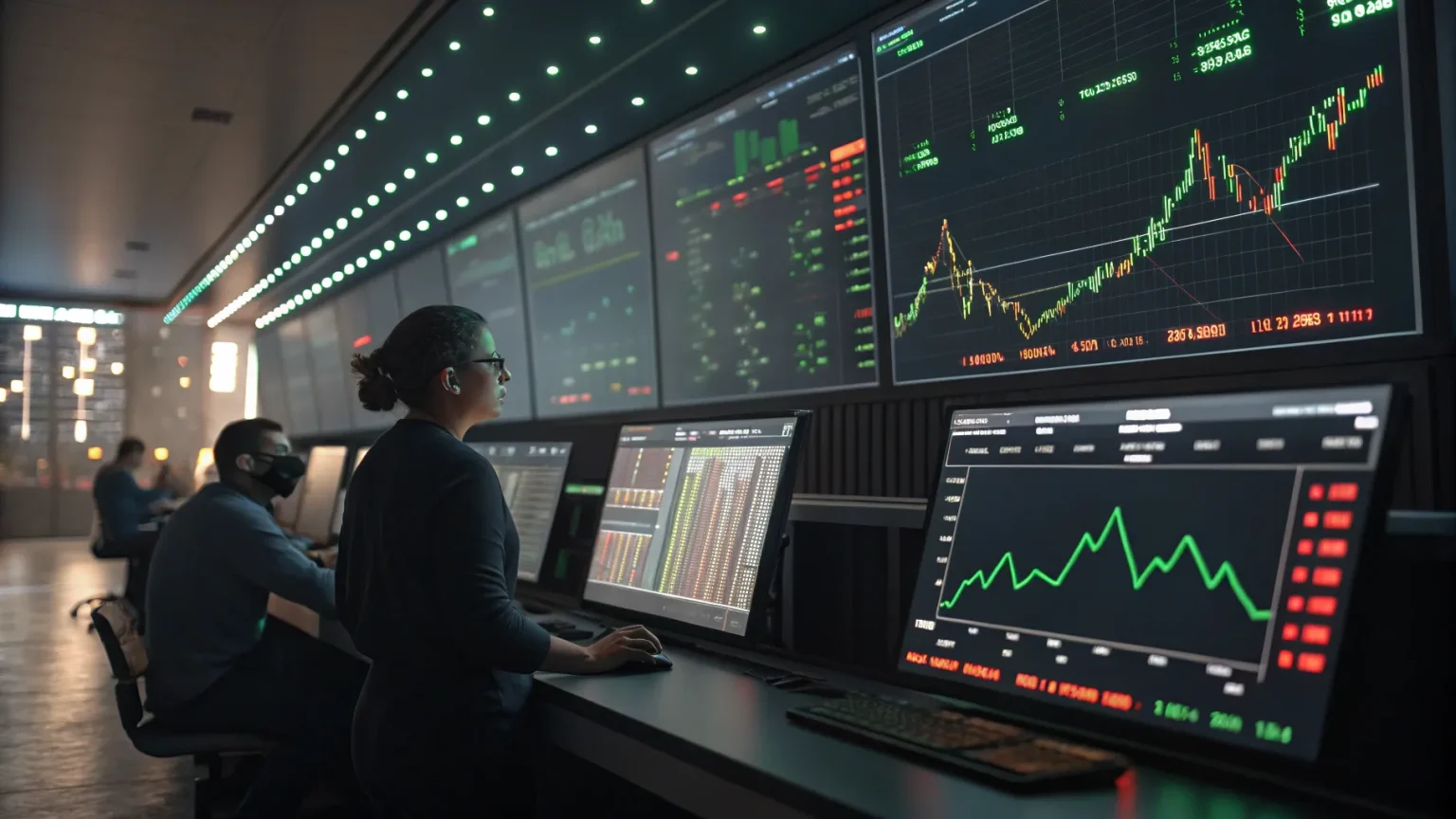
Premarket trading is the early-morning window when stocks change hands before the regular session opens, and it sets the tone for the day ahead. As a self-employed investor who often reviews my holdings with a coffee before client work begins, I have come to see premarket trading as a useful but tricky signal. It can tell you how the market is reacting to overnight news, yet it can also exaggerate moves that fade once the full market wakes up. This guide explains how it works and how to read it without getting burned.
Premarket trading runs from 4 a.m. to 9:30 a.m. Eastern on most U.S. venues. During those hours, a smaller group of traders reacts to earnings released after the prior close, overseas market moves, economic data, and breaking headlines. By the time the opening bell rings, premarket activity has often shaped expectations for which sectors will lead or lag.
How premarket trading sets the tone
The early session gives investors a first chance to respond to developments that happened overnight or after the previous close. Activity concentrates in stocks with fresh news, such as an earnings beat or miss, a revised outlook, a regulatory ruling, or a management change.
Index futures and sector exchange-traded funds add another layer. When futures move, they can pull related stocks in the same direction even when a specific company has no news, setting a backdrop that may carry into the opening hour. Reading these signals together gives you a sense of the mood before the day formally begins.
Why early prices can mislead
The same trait that makes premarket trading interesting also makes it risky: low participation. With fewer buyers and sellers, liquidity is thin, spreads widen, and prices can swing hard on small orders. A modest amount of buying can push a stock up sharply, only for that gain to evaporate once the regular session brings in more volume.
That is why I treat a big premarket move as a question, not an answer. The U.S. Securities and Exchange Commission’s investor education site explains the mechanics of how trading works, and FINRA’s investor education resources cover the added risks of trading in thin, fast-moving markets. Understanding those basics helps you avoid reading too much into a thin early tape.
What typically moves stocks before the bell
Certain catalysts show up again and again in premarket trading. Knowing them helps you judge whether an early move is likely to stick.
- Earnings results and changes to forward guidance
- Mergers, acquisitions, and activist investor campaigns
- Analyst rating or price-target changes
- Economic data releases and interest-rate signals
- Regulatory rulings or legal developments
- Overseas market moves and geopolitical news
When a company reports outside regular hours, traders parse revenue trends and margin commentary, then reposition before the open. A small change in outlook can trigger an outsized reaction when orders hit a thin tape.
What premarket trading means for the self-employed investor
For those of us building wealth alongside a business, the practical question is how much attention this deserves. My answer for most long-term investors is: not much, unless the news changes the underlying case for an investment. Chasing premarket moves can pull you away from a sound plan and into reactive decisions. If you are still growing the income that funds your investing, our guide to self-employment ideas may be a better use of your morning than watching a thin early tape.
If you do participate, protect yourself with a few habits. Use limit orders so you control your entry and exit prices. Keep position sizes modest. And remember that the first hour after the open often clarifies whether a premarket move was real or just noise. The evening counterpart to this session, which we cover in our guide to after-hours trading, follows the same liquidity rules, so the lessons carry over.
Fitting investing into a self-employed life
Time is the scarcest resource when you run your own business. I would rather spend ten focused minutes reviewing whether news changes my thesis than an hour watching a premarket ticker. Keeping investing inside a broader financial plan, like the cash-flow approach in our self-employed bookkeeping guide, keeps these early swings in perspective and stops them from driving emotional choices.
Premarket trading offers an early read on how the market is digesting news, but that read is partial and prone to reversal. Treat it as a clue rather than a conclusion, lean on limit orders if you act, and let your long-term plan, not the morning tape, guide your decisions. That discipline is what separates informed investors from anxious ones.
What time does premarket trading start?
Premarket trading generally runs from 4 a.m. to 9:30 a.m. Eastern on most U.S. venues, though the hours your broker supports may be narrower. It ends when the regular session opens at 9:30 a.m. Eastern.
Is premarket trading a reliable predictor of the day?
Not fully. Early moves can preview the open, but thin liquidity can exaggerate them, and they often reverse once the regular session brings in more participants. Many investors wait for the first hour to confirm the direction.
Why is premarket trading more volatile?
Fewer traders participate, so liquidity is low and spreads are wide. In that environment, small orders can move prices sharply, and reactions to overnight news can overshoot before the broader market opens.
Should self-employed investors trade in the premarket?
For most long-term investors it is unnecessary unless overnight news changes an investment’s case. If you do trade, use limit orders, keep positions small, and avoid letting a thin early tape drive reactive decisions.
What moves stocks the most before the open?
Earnings and guidance changes are the most common drivers, along with mergers, analyst rating changes, economic data, regulatory news, and overseas market moves. Index futures can also pull related stocks in the same direction.
What order type is safest in premarket trading?
Limit orders are safest because they let you set the price you will accept. In a thin premarket with wide spreads, a market order can fill at a surprising price, so controlling your entry and exit matters.


