

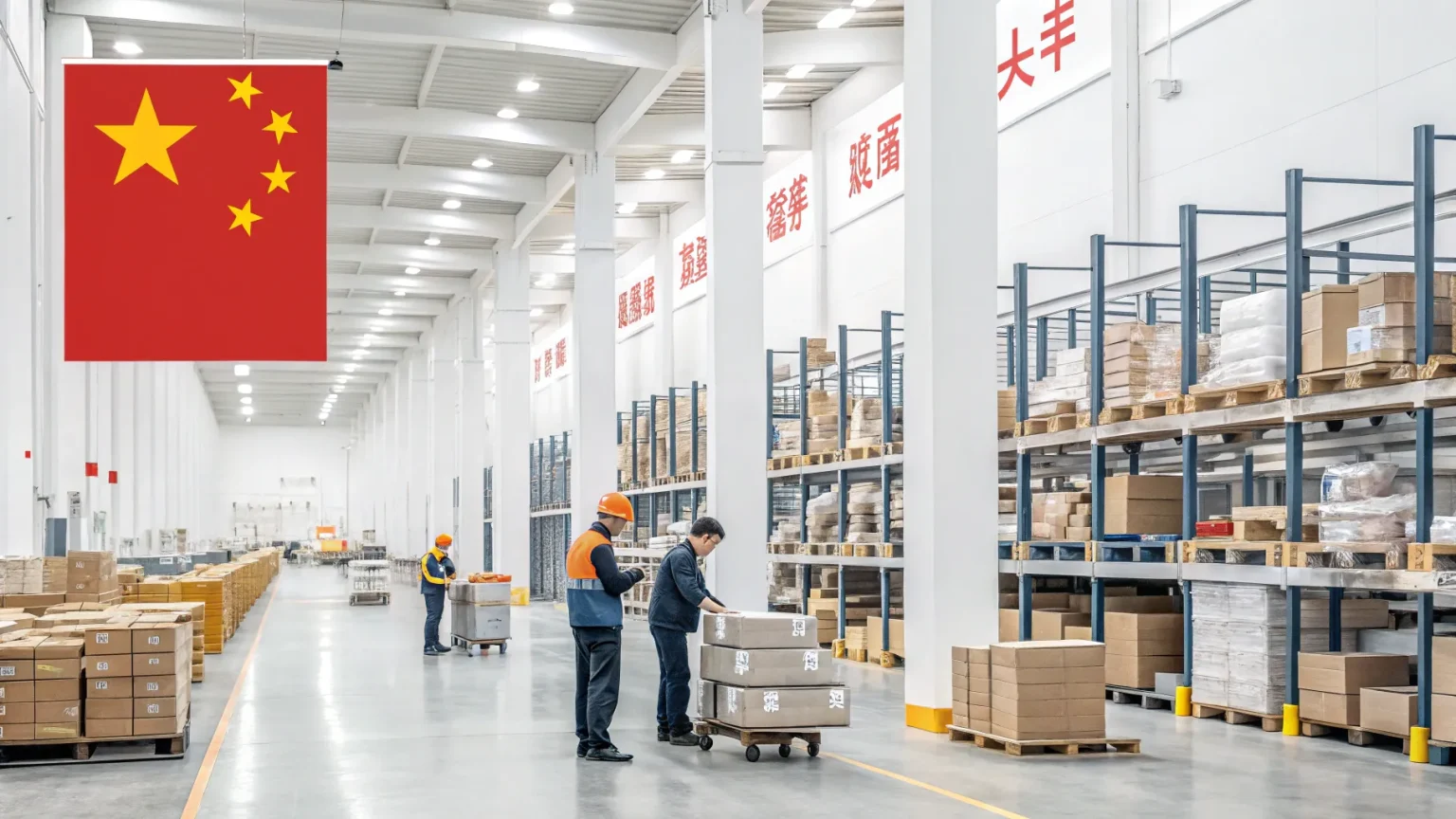
Inflation has cooled and confidence has brightened in recent months, and a key reason, according to industry voices, is a sudden drop in tariffs on Chinese imports in May. The shift has held steady since, giving retailers and manufacturers room to cut costs and rebuild inventories ahead of the holiday season. The development offers a short-term tailwind for prices and planning, even as debates continue over trade policy and supply chain security.
“Over the past few months, inflation has stayed relatively tame and economic sentiment among US businesses and consumers has improved… A big reason for both: Tariffs on Chinese goods… fell dramatically in May and haven’t budged since.”
How Tariffs Moved Prices
Tariffs act like a tax on imported goods. When they drop, importers pay less at the border. Those savings can pass through the supply chain and soften price pressures for finished products.
Retail buyers report better terms on replenishment orders, especially for goods with thin margins. That can relieve upward pressure on shelf prices that built up earlier in the year. Importers say freight costs have stabilized after pandemic-era swings, making the tariff shift more visible in invoices.
While not every category feels the change equally, lower duties on intermediate inputs help factories cut unit costs. That improves pricing power and can reduce the need for frequent price increases. The effect tends to show up with a lag, as old inventory clears and new shipments arrive.
Sentiment Turns the Corner
When costs stop rising so fast, planning gets easier. Firms can lock in contracts, hire with more confidence, and restart delayed projects. Households notice fewer price jumps on durable goods and electronics, easing pressure on budgets.
Survey responses from purchasing managers and small businesses often track these shifts in costs. A steady policy backdrop since May has reduced uncertainty, another boost for sentiment. If households expect slower price growth, they are more likely to spend, which supports growth without reigniting inflation.
Sectors Feeling the Change
The tariff pullback affects broad categories, but some feel it more directly.
- Consumer electronics: Parts and finished devices see cost relief.
- Apparel and footwear: High-volume importers can negotiate lower landed costs.
- Machinery and parts: Cheaper inputs support domestic assembly and maintenance.
At the same time, domestic producers that compete with imported goods may feel more price pressure. Some will focus on quality, service, or speed to market to hold share. Others may push for safeguards if import volumes surge.
Inflation Dynamics and the Road Ahead
Lower tariffs help tame goods inflation, which had already cooled from pandemic peaks. Services remain a larger share of consumer spending, and services prices often depend more on wages and rent than on import costs. That is why the tariff shift is part of the picture, not the whole story.
Economists note that steady tariffs since May also reduce volatility. Predictability matters for inventories and pricing strategies. If policy holds, the pass-through to prices should continue into coming quarters. A reversal could push costs back up and unsettle expectations.
Policy Debate Resurfaces
The trade policy debate is active. Supporters of lower duties point to relief for consumers and businesses as inflation cools. Critics worry about exposure to supply shocks and pressure on domestic producers.
Any future change will weigh these trade-offs. A targeted approach that balances consumer prices, supply resilience, and industrial priorities is likely to guide next steps. For now, importers are using the window to rebuild stock and reprice contracts.
Recent stability in tariffs on Chinese goods has helped ease price pressures and lift sentiment among firms and households. Goods categories most tied to imports are seeing the first gains, with broader effects expected as new shipments arrive. The main questions are how long the current policy holds and how quickly the savings reach checkout counters. Watch for updated inflation data, holiday season pricing, and any hints of policy shifts that could change the cost picture again.


