


The first year I went fully independent, I spent more time shopping for health insurance than building my client pipeline. I wanted nationwide access, not surprise bills, and costs I could plan for. That combination is harder to get than it sounds. I started with my state marketplace, then called carriers directly, then talked to other founders in my coworking space. The pattern was clear: HMO and EPO plans are everywhere; true PPOs are limited; and prices vary by ZIP code, age, and income.
What pushed me to keep digging was hearing how experienced freelancers handle coverage. The savviest people I know prioritize a strong network where they actually get care, plus predictable out-of-pocket rules. They skip bells and whistles they never use. I don’t think you need the fanciest plan to feel protected. You need a carrier with solid PPO access in your state, clear referral rules, and a premium that won’t steamroll your cash flow. That’s the goal I optimized for.
In this guide, I rounded up the PPO options I see self‑employed readers choose most often, especially where marketplace PPOs still exist. My team and I constantly research plans, compare network maps, and read policy documents, so you don’t have to.
Comparison of 7 best PPO health insurance plans in 2026 with pricing and recommended use cases
Scroll down for my detailed take on each option, including where I landed personally and a few lower-cost paths that work well for beginners.
What is a PPO health insurance plan?
A PPO (Preferred Provider Organization) health plan is a type of insurance that lets you see in‑network doctors at lower costs and out‑of‑network providers without referrals, usually at higher costs. Its primary purpose is flexibility.
In health coverage, people often say, “the best plan is the one you’ll actually use.” For self‑employed folks who travel or need specialists, a PPO’s broader access can save time, frustration, and surprise bills.
Think of it this way: paying $60 extra per month for a PPO that avoids one $600 out‑of‑network visit pays for itself ten times over. The tradeoff is higher premiums or deductibles compared with tight HMO networks.
At its core, a PPO serves independent workers, families, and frequent travelers who want doctor choice, direct access to specialists, and fewer referral hoops, using carrier networks and negotiated rates to control costs.
Many self‑employed people also pair PPOs with HSAs (when the plan is HSA‑eligible), virtual primary care, and pharmacy discount tools to reduce ongoing costs.
Not every “PPO” offers the same breadth or out‑of‑network rules, so comparing networks, formularies, and cost sharing carefully is essential.
How to choose the best PPO health insurance plan
With so many carriers and acronyms, choosing a plan can feel overwhelming. Networks change by county, and the cheapest premium is not always the lowest total cost.
I wrote this to help you find a fit that matches how you actually use care—your doctors, prescriptions, travel, and cash flow. The goal is confidence, not guesswork.
Most listicles you find are written by sales organizations or rely on sponsored placements. I’m not sponsored by any carrier on this list. This is my honest overview based on policy documents, provider directories, and reader feedback.
Here are some questions you should ask when looking for a plan:
- How broad is the in‑network PPO in my ZIP, and are my doctors in it?
- How easy is it to see specialists without referrals?
- If my income changes, how will marketplace subsidies affect premiums?
- What happens to total cost as I increase usage—deductible, copays, coinsurance?
- Does the plan cover my prescriptions at reasonable tiers?
- What in‑network/out‑of‑network deductibles and out‑of‑pocket maximums apply?
- How hard is it to switch plans midyear or during open enrollment?
- What preauthorization rules might slow down care?
- Are telehealth, urgent care, and ER billed clearly across state lines?
1. Blue Cross Blue Shield (state PPOs)
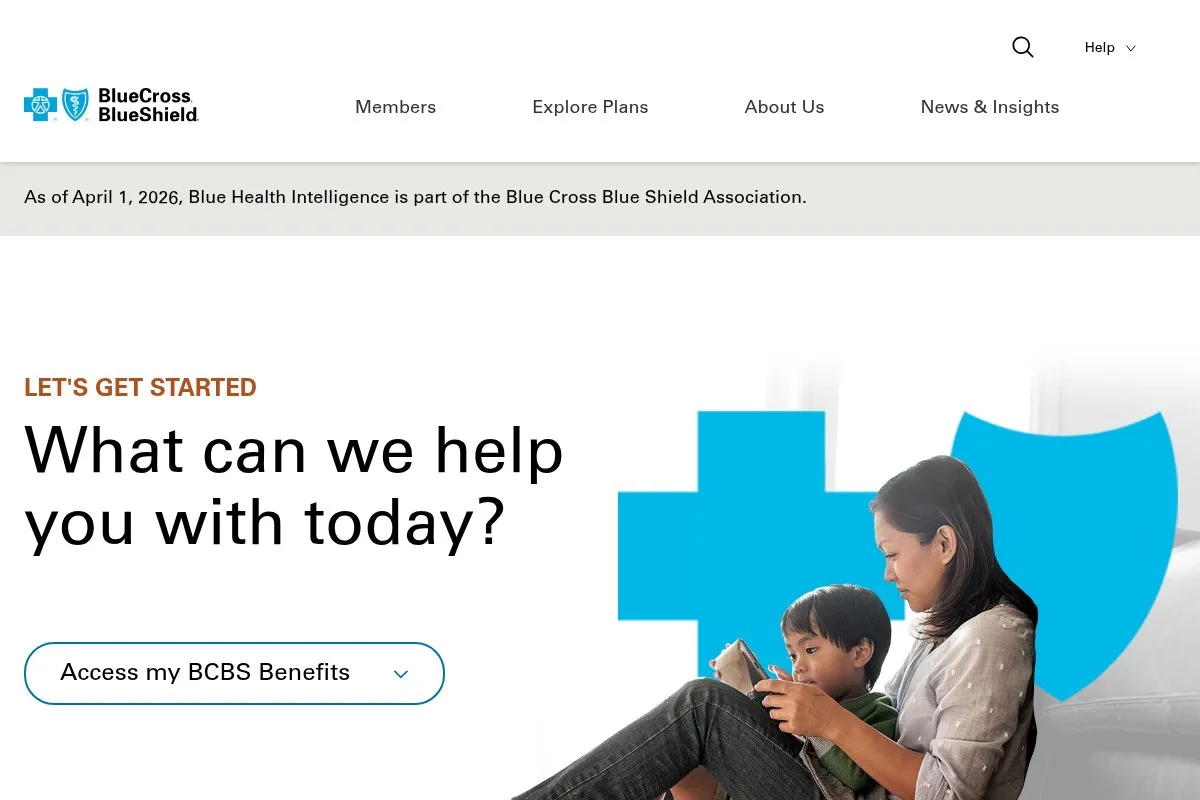
BCBS is a federation of independent Blue plans with deep provider relationships nationwide. Many states still offer individual and family PPO options through their Blue carrier, especially in regions where broad access is a priority.
Getting started usually means checking your state marketplace or the local Blue site to confirm PPO availability by county. The experience is familiar: find in‑network doctors, compare metal tiers, and review deductible and out‑of‑pocket limits.
In recent years, some markets have restored broader networks after earlier pullbacks. In select states, PPO lines have re‑expanded or stabilized, which helps self‑employed people who travel or split time between states.
Higher‑tier Blue PPOs often include strong nationwide networks, travel benefits, and better out‑of‑network coverage. Some plans include virtual primary care, mental health, and wellness programs that are stronger than those offered by budget carriers.
I’ve used a state Blue PPO as a freelancer, and the provider acceptance felt effortless. I rarely hit a “no” when booking specialists, which lowered my stress during busy seasons.
I also like that Blue plans tend to have mature provider directories and clear ID card indicators for PPO vs other products, which helps front desks code visits correctly.
How it works and key features
You’ll start by entering your ZIP code and household details on your state exchange or the Blue carrier’s site. The comparison tool shows PPO vs HMO/EPO options, then details like deductible, coinsurance, and out‑of‑pocket maximums. Networks are searchable by doctor, hospital, and specialty.
Templates don’t apply here, but you can customize your pick by metal tier and add‑ons like dental or vision. Advanced users often check provider IDs and NPI listings to verify network participation before enrolling.
Most Blue plans offer online claims, EOBs, and usage dashboards showing deductible progress and pharmacy spending. Telehealth platforms and care management tools are common, and many include 24/7 nurse lines.
Automation is limited to premium autopay and ID card delivery, but that’s enough for most of us. Support is typically by phone chat and secure message; response quality varies by local plan.
Overall, it’s beginner‑friendly and proven, with enough flexibility for frequent travelers who need broad networks.
Who it’s for
Best for full‑time freelancers, consultants who travel, families seeing multiple specialists, snowbirds, and anyone prioritizing provider choice. It’s strong for chronic care with established specialists. If your state only offers HMO/EPO on exchange, a Blue PPO may not be available; consider a Blue EPO or another carrier. No special technical skill is needed.
Blue Cross Blue Shield (state PPOs) pricing
Pricing varies by state, county, age, tobacco status, and subsidy eligibility. Some Blue PPOs are available on marketplaces with income‑based premium tax credits; others are sold directly off‑exchange.
- Bronze/Silver/Gold PPO: Monthly premiums vary; includes nationwide in‑network access (by plan), telehealth, preventive care, and ACA essential benefits.
- Platinum PPO (where offered): Higher premiums, lower deductibles and copays, stronger cost sharing for frequent care.
Compared with other carriers, Blue PPOs can cost more than EPO/HMO options but often deliver broader access. Annual billing isn’t typical; payments are monthly. Always check marketplace subsidies—they can dramatically lower your net premium.
Pros and cons
Pros: Broad provider acceptance, simple specialist access, mature telehealth and tools, strong out‑of‑state options in many plans.
Cons: Availability varies by county; premiums may be higher; provider directory accuracy can be inconsistent; not every state has true PPOs.
If you value flexibility over the lowest sticker price, a Blue PPO is an easy place to start. If budget is your top concern, compare EPO/HMO options too.
Blue Cross Blue Shield (state PPOs) reviews
Public star ratings vary by local Blue plan and review site; many have limited, mixed consumer reviews. I rely more on provider acceptance and policy details than generalized ratings here.
2. Independence Blue Cross Personal Choice PPO

Independence Blue Cross serves the Greater Philadelphia area and is known for its Personal Choice PPO products. For self‑employed folks who often cross the PA/NJ line, it’s a familiar, flexible option with deep ties to regional providers.
Enrollment is available via Pennie (PA’s exchange) and direct. The plan experience is straightforward: no referrals to specialists, a clear network search, and modern digital ID cards. Preventive care is covered at $0, as with other ACA plans.
In recent plan years, IBX has emphasized digital tools, pharmacy guidance, and access to mental health care. That detail matters when you’re juggling client work and don’t have time for admin calls.
Higher‑tier options often include better cost sharing, international assistance programs, and expanded telehealth. Those upgrades can make a difference if you rely on frequent specialist visits.
I don’t currently carry IBX, but readers in Philly often tell me that Personal Choice has “the fewest surprises” compared with narrower networks.
IBX support reps tend to know the regional hospital systems well, which helps resolve billing codes or preauth questions faster.
How it works and key features
Start with a ZIP code check on ibx.com or Pennie. Filter plans to “PPO” and compare metal tiers. The self‑service portal shows claims, EOBs, deductible status, and pharmacy costs. The provider search flags in‑network specialists and facilities clearly.
Telemedicine is integrated, with behavioral health options. You can set up autopay and paperless EOBs. If you need help, live chat and phone support are available during business hours.
Overall, the experience is clean and predictable—great for independent pros who need time back.
Who it’s for
Best for Philadelphia‑area freelancers, consultants who see Jefferson/Penn/Temple providers, New Jersey commuters, and families with multiple specialists. If you rarely leave the region and want direct access to top systems, it’s a fit. If you move often or spend months out of state, check out multi‑state PPOs or national Blue options.
Independence Blue Cross Personal Choice PPO pricing
Pricing depends on age, county, and subsidy eligibility through Pennie. Plans are ACA‑compliant with $0 preventive care and standard essential benefits.
- Bronze/Silver PPO: Lower premiums, higher deductibles; strong network access.
- Gold/Platinum PPO: Higher premiums, lower out‑of‑pocket costs; better for frequent care.
Compared with HMOs, expect to pay more for the PPO’s flexibility. Subsidies can reduce net premiums significantly. Always run your income estimate for accurate quotes.
Pros and cons
Pros: Strong Philly network, easy access to specialists, clear portal tools, reliable pharmacy support.
Cons: Regional focus; out‑of‑area care can be pricier; premiums are higher than those for narrow networks.
If you live and work near Philly, this is a top PPO pick. If you’re fully remote and traveling, compare a broader Blue PPO.
Independence Blue Cross Personal Choice PPO reviews
Consumer star ratings vary by platform and product year. I’ve found regional word‑of‑mouth more useful here than generalized national ratings.
3. Highmark BCBS PPO Blue
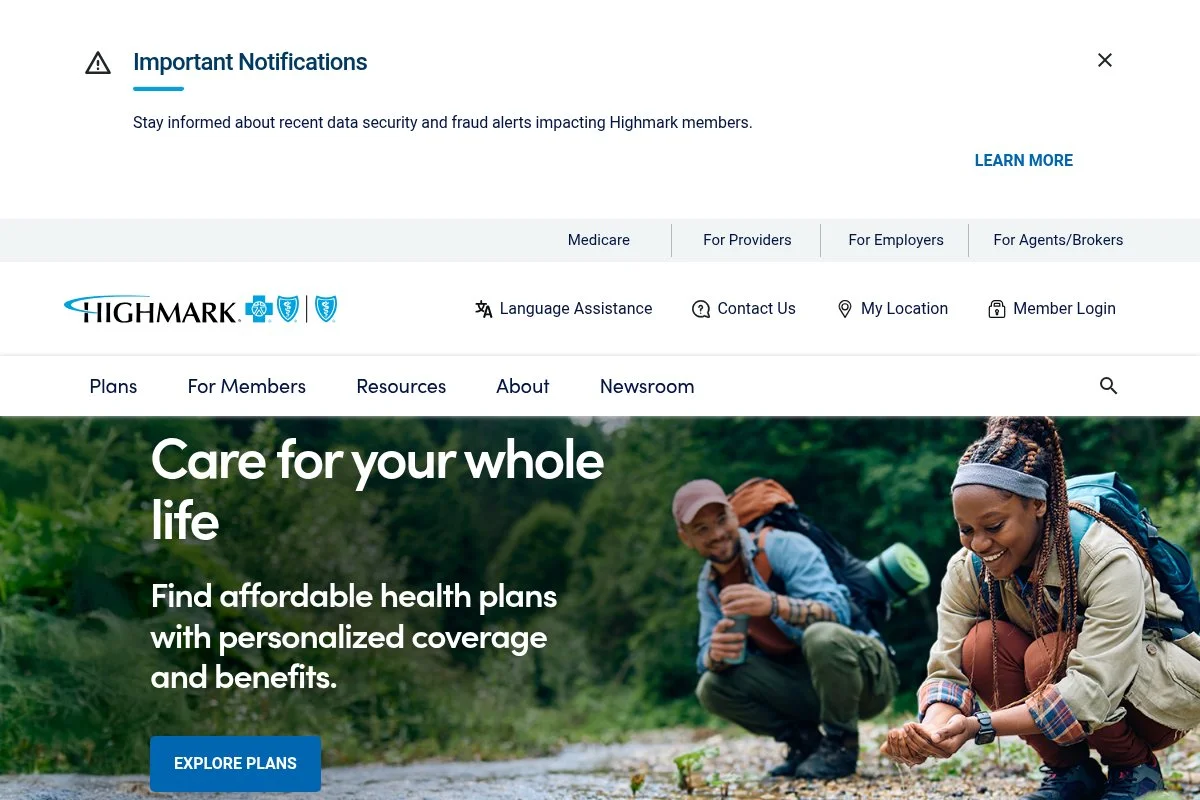
Highmark operates Blue plans across Pennsylvania, Delaware, and West Virginia. Its PPO Blue products are well‑known regionally and often appear on the ACA marketplace, making them accessible for self‑employed buyers.
The enrollment flow is straightforward. You can verify doctors and hospitals by name, then choose a metal tier that balances premium and out‑of‑pocket costs. Preventive care and essential health benefits are standard.
Highmark has invested in digital tools, care navigation, and integrated mental health resources. That helps you schedule quickly without getting stuck in referral loops.
Premium tiers often offer lower deductibles, better coinsurance, and sometimes travel assistance. If you see several specialists each year, those differences matter in practice.
I hear consistent feedback from Pittsburgh‑area readers that Highmark’s breadth of network reduces billing surprises. That’s the peace of mind you want during tax season.
The company’s provider relations with major systems are strong, supporting smoother claims processing.
How it works and key features
Use the plan finder on highmark.com or your state exchange. Filter PPO plans and compare deductibles, coinsurance, and OOP max. The member portal shows claims, EOBs, care estimates, and pharmacy pricing. Telehealth and digital ID cards are supported.
Support channels include phone and secure messaging. For complex issues, local office reps can escalate billing disputes with providers when needed.
The overall experience suits both beginners and detail‑oriented users who like to track costs closely.
Who it’s for
Best for Western/Central PA freelancers, West Virginia road‑warriors, and Delaware consultants who want wide provider choice. It’s strong for families managing chronic conditions. If you often relocate outside the region, verify out‑of‑area access first.
Highmark BCBS PPO Blue pricing
Premiums vary by age, location, and subsidy eligibility on exchange. PPO options carry higher premiums than HMOs but may reduce surprise out‑of‑network costs.
- Bronze/Silver PPO: Lower premiums with higher deductibles; broad network.
- Gold/Platinum PPO (where available): Lower deductibles and copays; best for frequent care users.
Value is middle‑of‑the‑road to strong, depending on subsidy and county competition. Annual prepay isn’t typical; monthly billing is standard.
Pros and cons
Pros: Broad regional network, clear tools, reliable claims processing, marketplace availability.
Cons: Availability varies by county; premiums can be higher than narrow networks; some out‑of‑area limitations.
A dependable regional PPO if you live where Highmark is strong. If you’re price‑sensitive, compare a Silver EPO/HMO too.
Highmark BCBS PPO Blue reviews
Public reviews differ by product and year, and counts are often limited. I use provider acceptance and policy specifics to judge fit here.
4. Regence BlueCross BlueShield PPO
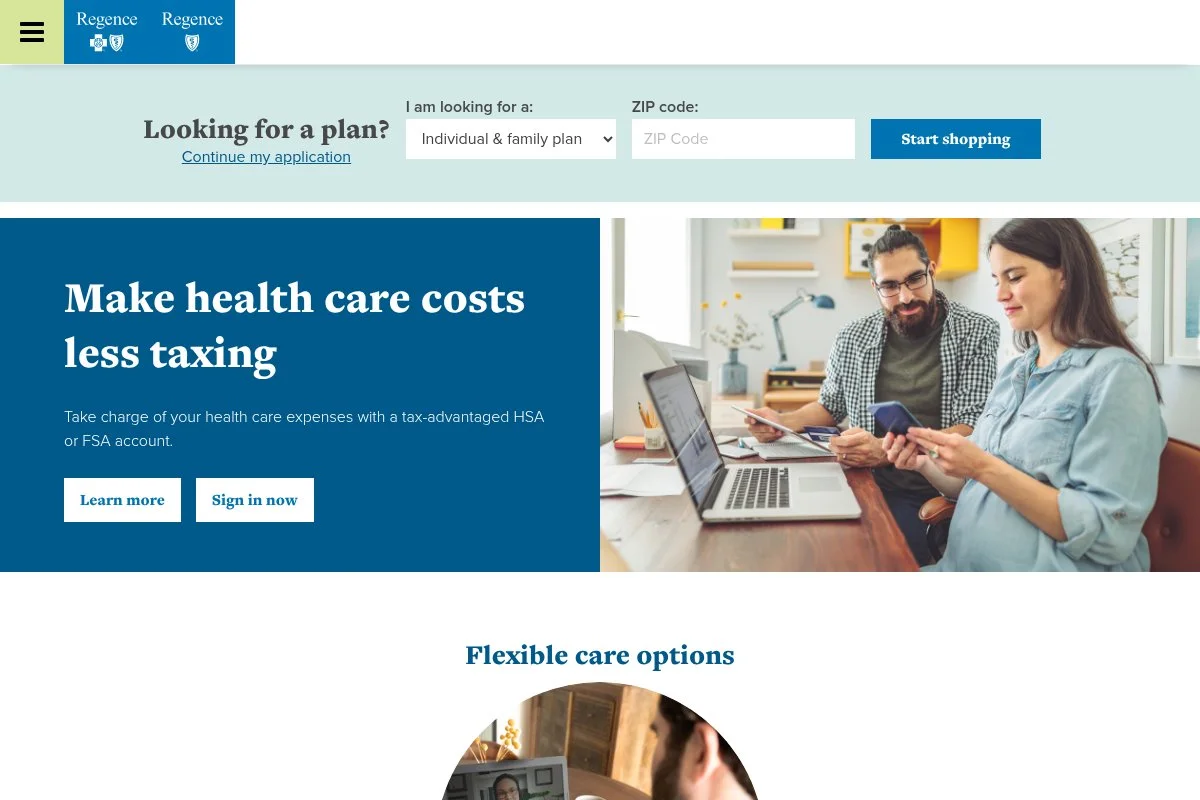
Regence serves parts of Oregon, Washington, Idaho, and Utah. Depending on the county and year, Regence may offer individual PPO products, as well as EPO or HMO alternatives. When available, the PPO is a favorite among Pacific Northwest freelancers.
Enrollment runs through the state exchange (like Washington Healthplanfinder or Oregon’s marketplace) or direct. The member site offers digital ID cards, claims tracking, and provider search tools.
Regence has improved virtual care offerings and pharmacy pricing tools in recent cycles. That saves time and reduces back‑and‑forth calls for busy independents.
Upper tiers bring better cost sharing, sometimes with enhanced mental health benefits and wellness programs. Those can yield real savings if you use frequent outpatient care.
I’ve heard steady feedback that Regence support is helpful when sorting out billing codes with large hospital systems.
If a PPO isn’t listed in your county for the current year, check back each open enrollment—availability can shift.
How it works and key features
Run a ZIP search, filter for PPO, and compare metal tiers. The portal shows deductible progress, EOBs, and pharmacy spending. Telehealth integrates with many primary care practices, and you’ll get care cost estimators for common services.
Customer service includes phone, chat, and secure messages. It’s a balanced experience—simple enough for first‑timers but detailed for those who like to verify network details.
For most self‑employed users, it’s a good mix of flexibility and predictability.
Who it’s for
Best for Oregon/Washington/Idaho/Utah independents who want wide access to specialists and travel around the region. If budget is tight and an EPO is much cheaper in your county, compare carefully. Beginner‑friendly, no special tech skill required.
Regence BlueCross BlueShield PPO pricing
Pricing depends on county, age, and subsidies on the state marketplace. PPOs tend to price above narrow‑network plans due to broader access.
- Bronze/Silver PPO: Lower premiums, higher deductibles; broad in‑network access.
- Gold PPO: Higher premiums, lower cost sharing; better for frequent visits or ongoing conditions.
Relative value ranges from solid to premium, depending on local competition and subsidy level. Monthly billing is standard.
Pros and cons
Pros: Regional breadth, helpful support, clear digital tools, good telehealth integration.
Cons: Availability can vary by county/year; premiums are higher than EPO/HMO; provider directory diligence is still required.
It’s a strong option where available. If not offered in your ZIP, consider Blue options from adjacent counties or year‑over‑year changes.
Regence BlueCross BlueShield PPO reviews
Ratings vary and are often fragmented by product line. I prioritize plan documents and network verification when assessing fit.
5. Priority Health Individual PPO
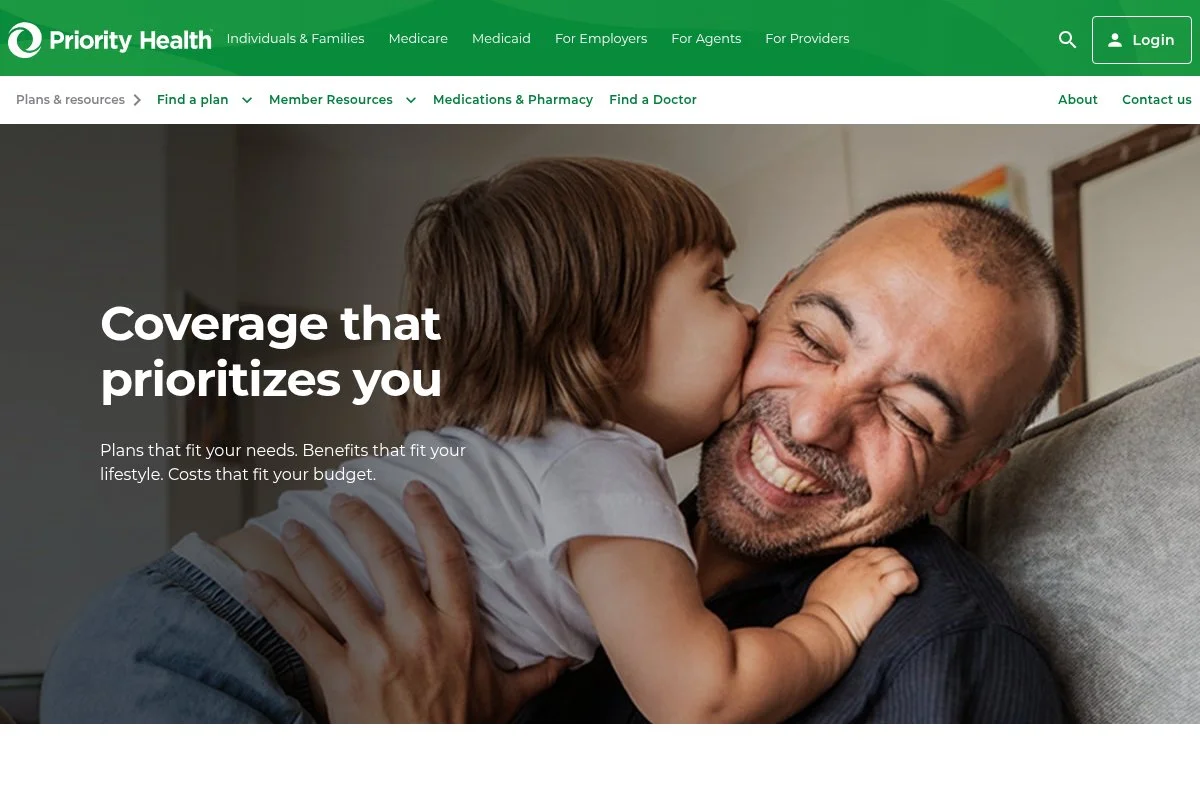
Priority Health is a Michigan carrier with individual plans on and off the marketplace. In select counties, it offers an Individual PPO that appeals to freelancers who split time across the state or travel seasonally.
Enrollment flows through HealthCare.gov (for Michigan) or directly. The member portal is clean and easy to navigate, with pharmacy lookups and virtual care access front and center.
Priority has leaned into digital care coordination, which helps reduce surprises between primary care, specialists, and imaging centers.
Higher metal tiers bring stronger cost sharing and, on some products, broader telehealth bundles. Those features pay off if you rely on specialists or frequent labs.
I’ve seen positive feedback from Michigan readers on the clarity of claims and the stability of billed amounts compared to estimates.
If Individual PPO isn’t in your county, Priority’s other network designs may still hit your access vs cost target.
How it works and key features
Search by ZIP, filter to PPO, and compare metal tiers. The dashboard shows deductible and OOP progress, EOBs, and pharmacy spend. Telehealth and virtual primary care options help limit in‑person costs for routine needs.
Support is available by phone and via secure message, with thorough documentation for referrals and pre-auth when required. It’s a practical, day‑to‑day friendly experience.
Who it’s for
Best for Michigan solopreneurs, contractors who road‑trip across the state, and families wanting flexible provider choice. If you stay local and want the lowest premium, an HMO may be cheaper. Beginner‑friendly overall.
Priority Health Individual PPO pricing
Rates vary by age, county, and marketplace subsidy. PPOs tend to cost more than HMOs but can reduce out‑of‑network exposure.
- Bronze/Silver PPO: Lower premiums with higher deductibles; good for healthy users.
- Gold PPO: Higher premiums, lower out‑of‑pocket costs; better for regular care.
Value is competitive in many Michigan counties, especially with subsidies. Monthly billing is standard; no annual prepay discount.
Pros and cons
Pros: Clean portal, helpful pharmacy tools, flexible network design, Michigan coverage depth.
Cons: County‑based availability; premiums above HMO peers; verify specific hospital inclusion.
Great if you need doctor choice around Michigan. If budget first, compare Priority HMO alternatives.
Priority Health Individual PPO reviews
Public consumer ratings are mixed and vary by product year. I balance that with direct plan documents and network checks.
6. Florida Blue BlueOptions PPO
Florida Blue is the state’s Blue plan. Its BlueOptions brand is the PPO product line many self‑employed Floridians know. Individual availability varies by county and plan year, so check your ZIP during open enrollment.
The sign‑up flow on HealthCare.gov or flblue.com is simple. You can verify doctors and hospitals, compare tiered options, and set up virtual care quickly after enrollment.
Recent improvements include better digital ID cards and pharmacy savings tools. For busy independents, that reduces friction when traveling or booking last‑minute care.
Higher‑tier BlueOptions plans can reduce specialist visit costs and coinsurance, which adds up if you have regular follow‑ups.
Readers often mention wide acceptance among Florida providers—especially valuable during hurricane-season relocations or travel stretches.
If you’re splitting time with another state, verify out‑of‑state coverage rules before committing.
How it works and key features
Enter your ZIP, filter for PPO/BlueOptions, and compare metal tiers. The portal tracks deductible and OOP progress, claims, and pharmacy costs. Telemedicine and virtual urgent care are built in on many tiers.
Support options include phone, chat, and local Florida Blue Centers for in‑person help. That local presence is a bonus when sorting complex claims.
Who it’s for
Best for Florida‑based freelancers, contractors who drive statewide, and families who want flexible provider choice. If you rarely travel or want the very lowest premium, check HMO/EPO alternatives. Beginner‑friendly.
Florida Blue BlueOptions PPO pricing
Pricing is county‑based and subsidy‑adjusted on exchange. PPO plans typically cost more than HMOs but may protect against out‑of‑network surprises.
- Bronze/Silver BlueOptions PPO: Lower premiums, higher deductibles; wide access.
- Gold BlueOptions PPO: Higher premiums, lower cost sharing; better for ongoing care.
Relative value is solid in many Florida markets, particularly with premium tax credits. Monthly billing is standard.
Pros and cons
Pros: Deep Florida network, accessible support, travel‑friendly, clear digital tools.
Cons: Availability varies by county/year; higher premiums than narrow networks; verify out‑of‑state rules.
If you want flexibility across Florida, BlueOptions is hard to beat. If every dollar counts, compare HMO pricing.
Florida Blue BlueOptions PPO reviews
Consumer ratings are mixed and differ by plan and platform. I weigh network depth and local support more than generalized scores here.
7. Premera Blue Cross PPO
Premera operates in Washington and Alaska with a long history of PPO products. Individual availability varies by county and year, but when offered, Premera PPOs are popular among independents who need broad specialist and hospital access.
Enrollment is through the state marketplace or direct. The member portal is modern, with clear claim details and pharmacy tools. Preventive services are covered at $0 as required by ACA rules.
Premera has emphasized digital health partnerships that improve access to virtual urgent care and behavioral health. That reduces downtime for solo business owners.
Upper‑tier plans improve cost sharing and sometimes expand telehealth bundles. If you see specialists frequently, those features matter.
I don’t carry Premera today, but readers in Seattle report predictable experiences booking specialists without referral hurdles.
Premera’s documentation is thorough, which helps when double‑checking network status or prior authorization rules.
How it works and key features
Search your ZIP, filter PPO, and compare tiers. The portal tracks deductible/OOP max, EOBs, and pharmacy prices. Telehealth partners cover primary and urgent care needs, with mental health access expanding.
Support includes phone and secure messaging. For complex claims, documentation and escalation paths are clear and helpful.
Overall, it balances ease for beginners with tools for detail‑oriented users.
Who it’s for
Best for Washington and Alaska self‑employed pros, tech contractors in Seattle, seasonal workers, and families needing specialists at multiple systems. If PPO isn’t offered in your county this year, compare Premera’s other networks or neighboring Blue plans.
Premera Blue Cross PPO pricing
Premiums vary by ZIP, age, and exchange subsidies. PPOs typically cost more than HMOs but may reduce total costs for frequent travelers or specialist users.
- Bronze/Silver PPO: Lower premiums, higher deductibles; good for light users.
- Gold PPO: Higher premiums, lower cost sharing; better for steady care needs.
Value depends on county competition and subsidy. Expect monthly billing and standard ACA benefits across tiers.
Pros and cons
Pros: Broad WA/AK access, strong digital tools, reliable claims transparency.
Cons: County/year availability shifts; premiums above narrow networks; verify hospital inclusion.
If you want flexible access in WA/AK, Premera is a smart addition to the shortlist. If price first, compare EPO/HMO pricing.
Premera Blue Cross PPO reviews
Public reviews are mixed and vary by plan line. I recommend verifying provider access and reading the current year’s Summary of Benefits before deciding.
What is the best PPO health insurance plan right now?
My top picks this year are Blue Cross Blue Shield PPOs in states where they’re offered, Independence Blue Cross Personal Choice PPO for the Philadelphia region, and Highmark PPO Blue for Pennsylvania/Delaware/West Virginia. Each balances flexible access with tools that make solo business life easier.
I personally use a state Blue PPO. This is not sponsored. I landed there after mapping my doctors and travel patterns and realizing I’d pay more in time and stress with a narrow network. The clincher was being able to book specialists without gatekeeping and having out‑of‑state options when working on the road.
In terms of value, a PPO can look pricier month to month. But a single out‑of‑network specialist visit can erase savings from a cheaper HMO. For me, the math favored a slightly higher premium in exchange for easier access and fewer billing surprises. If an HMO is $80 cheaper per month but triggers one $500 out‑of‑network bill, that trade didn’t pencil out.
My second choice is Independence Blue Cross Personal Choice PPO if you’re in the Philly area. It shines with strong system access and a straightforward member experience. Recent digital upgrades and mental health options make it even more practical for independent workers.
The unique strength of IBX is regional depth. If I lived there full‑time, I might choose it over a broader but more expensive alternative. The local support and provider relationships pay off when a claim needs extra attention.
For a third option, Highmark PPO Blue is a close call in Western/Central PA and parts of WV/DE. It’s a dependable PPO for families and solo pros who see multiple specialists. If you don’t need statewide flexibility, a Silver tier can hit a nice cost‑access balance.
I sometimes mix tools: PPO medical coverage, discounted vision/dental riders, and an HSA (when eligible). That combo keeps my total costs steady while leaving room for travel.
Choosing between these is genuinely tough. I stuck with my Blue PPO because my work takes me across state lines, and the frictionless access to specialists saves my schedule. If I were anchored in Philly, I’d seriously consider IBX instead.
I hope this helped you narrow it down. Price the plans for your ZIP, confirm your doctors, and pick the one you’ll actually use. Stay covered and keep building.
Frequently Asked Questions
Q: Are PPO plans still available on the ACA marketplace in 2026?
Yes, in some states and counties. Availability changes year to year. I always check my state exchange during open enrollment and filter by “PPO” to confirm current options.
Q: Are PPOs always more expensive than HMOs?
Usually, yes, but not always after subsidies. I compare the total annual cost: premiums plus expected out‑of‑pocket costs. A PPO can be cheaper overall if it prevents out‑of‑network bills.
Q: How do I make a PPO more affordable as a freelancer?
Estimate your income accurately to get marketplace subsidies, choose the right metal tier, use in‑network care, and lean on telehealth. If eligible, pair an HSA with an HSA‑qualified PPO.
Q: What should I verify before enrolling in a PPO?
I always check: my doctors and hospitals in‑network, prescription formulary tiers, referral rules, out‑of‑network cost sharing, and the plan’s out‑of‑pocket maximum. Then I confirm the monthly premium after subsidies are applied.
Photo by Austin Distel: Unsplash


