

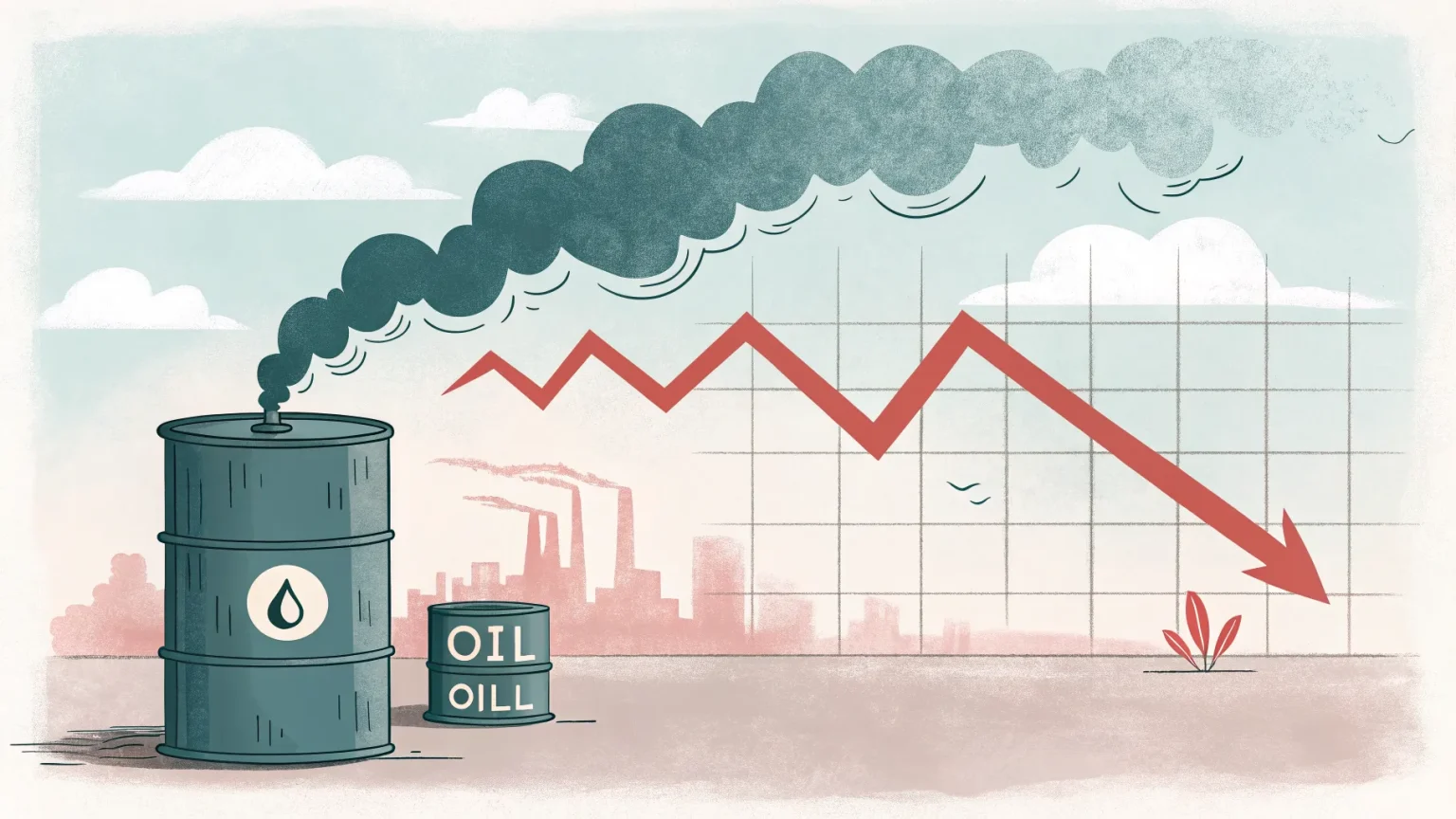
What is stagflation, and why does it worry economists more than a normal downturn? In simple terms, stagflation is the rare and painful combination of stagnant economic growth and stubbornly high inflation. When stocks slide on stagflation fears and crude oil climbs to multi-year highs, the question of what is stagflation moves from the textbook to your bank account. After years of explaining the economy to self-employed readers, I find this is one concept worth understanding before the next shock arrives.
This guide answers what is stagflation in plain language, explains why oil shocks so often trigger it, and shows how independent earners can prepare.
What is stagflation in plain terms
To answer what is stagflation directly: it is when an economy stops growing, or shrinks, while prices keep rising. Normally those two forces move in opposite directions. Growth tends to lift prices, and a slowdown tends to cool them. Stagflation breaks that link, leaving households and businesses squeezed from both sides at once.
That is what makes stagflation so difficult for central banks. The usual tool for fighting inflation is raising interest rates, but higher rates also slow growth. So when you ask what is stagflation, you are really asking about a trap: every move to fix one problem risks making the other worse. The Federal Reserve describes this balancing act as the dual mandate of stable prices and maximum employment, and stagflation puts those two goals in direct conflict.
Why oil shocks trigger stagflation
One of the strongest triggers for stagflation has always been an oil shock. Understanding what is stagflation means understanding how fuel costs ripple outward. When oil becomes more expensive, costs rise for shipping, farming, manufacturing, and travel. Companies either pass those costs to customers, which fuels inflation, or cut hiring and investment, which slows growth. Either path feeds the stagflation problem.
Economists point to the 1970s as the classic example. Oil embargoes drove energy costs up, output down, and inflation high for years. Today the setup is different, but the mechanism is the same. A sharp jump in crude, especially one tied to conflict, can lift prices while cooling demand at the same time. That is the textbook answer to what is stagflation in action.
How stagflation hits households and businesses
When you understand what is stagflation, its effects become easy to spot. For families, higher fuel costs raise commuting, travel, and grocery bills, while weak growth threatens jobs and hours. The pain comes from both ends.
- Input costs rise, squeezing thin margins.
- Demand softens as customers cut back.
- Borrowing stays expensive as rates remain high to fight inflation.
- Wages often fail to keep pace with prices.
For self-employed workers, stagflation is a double bind. Your costs climb while clients tighten budgets. That is why knowing what is stagflation early gives you time to adjust pricing and protect cash flow before the squeeze arrives.
How the self-employed can prepare for stagflation
You cannot control the economy, but you can build a business that bends instead of breaks. The first step after learning what is stagflation is to know your numbers cold. A clean bookkeeping system shows exactly where rising costs are eating your margin so you can raise rates with confidence.
Next, diversify income so a single soft client cannot end your quarter. Explore self-employment ideas across different industries, or add a recurring stream such as high-ticket affiliate income that holds up when project work slows. Finally, stay ahead of taxes, because a downturn is the worst time for a surprise bill. The Consumer Financial Protection Bureau offers free tools for managing money through uncertain periods. Building these habits now means the next time someone asks what is stagflation, you will already be positioned to ride it out.
What to watch next
A few indicators reveal whether stagflation risk is rising or fading. Watch oil supply and any shift in geopolitical tension, since energy is the usual trigger. Track core inflation readings to see how much of the fuel spike is passing through to other prices. Follow consumer spending and hiring data for signs of slowing growth, and listen closely to central bank guidance on rates. Together these tell you whether the answer to what is stagflation is becoming a real threat or just a headline.
Frequently asked questions
What is stagflation in simple terms?
Stagflation is when an economy has weak or no growth at the same time as high inflation. Prices keep rising even though the economy is not expanding, which squeezes both households and businesses.
Why is stagflation so hard to fix?
The usual cure for inflation is raising interest rates, but that also slows growth. During stagflation, fixing one problem tends to worsen the other, leaving central banks with no easy options.
What causes stagflation?
A common trigger is a supply shock, especially a sharp rise in oil prices. Higher energy costs push inflation up while also slowing economic activity, which is the core of stagflation.
When did stagflation last happen?
The most cited example is the 1970s, when oil embargoes drove high inflation and slow growth for years. Economists still use that period as the benchmark for what stagflation looks like.
How does stagflation affect the self-employed?
It raises your costs while clients cut budgets, squeezing margins from both sides. Tracking cash flow, diversifying income, and adjusting prices early are the best defenses.
Is stagflation worse than a recession?
Many economists consider it harder to escape because it combines two problems at once. A normal recession cools inflation, but stagflation keeps prices high even as growth stalls.


