

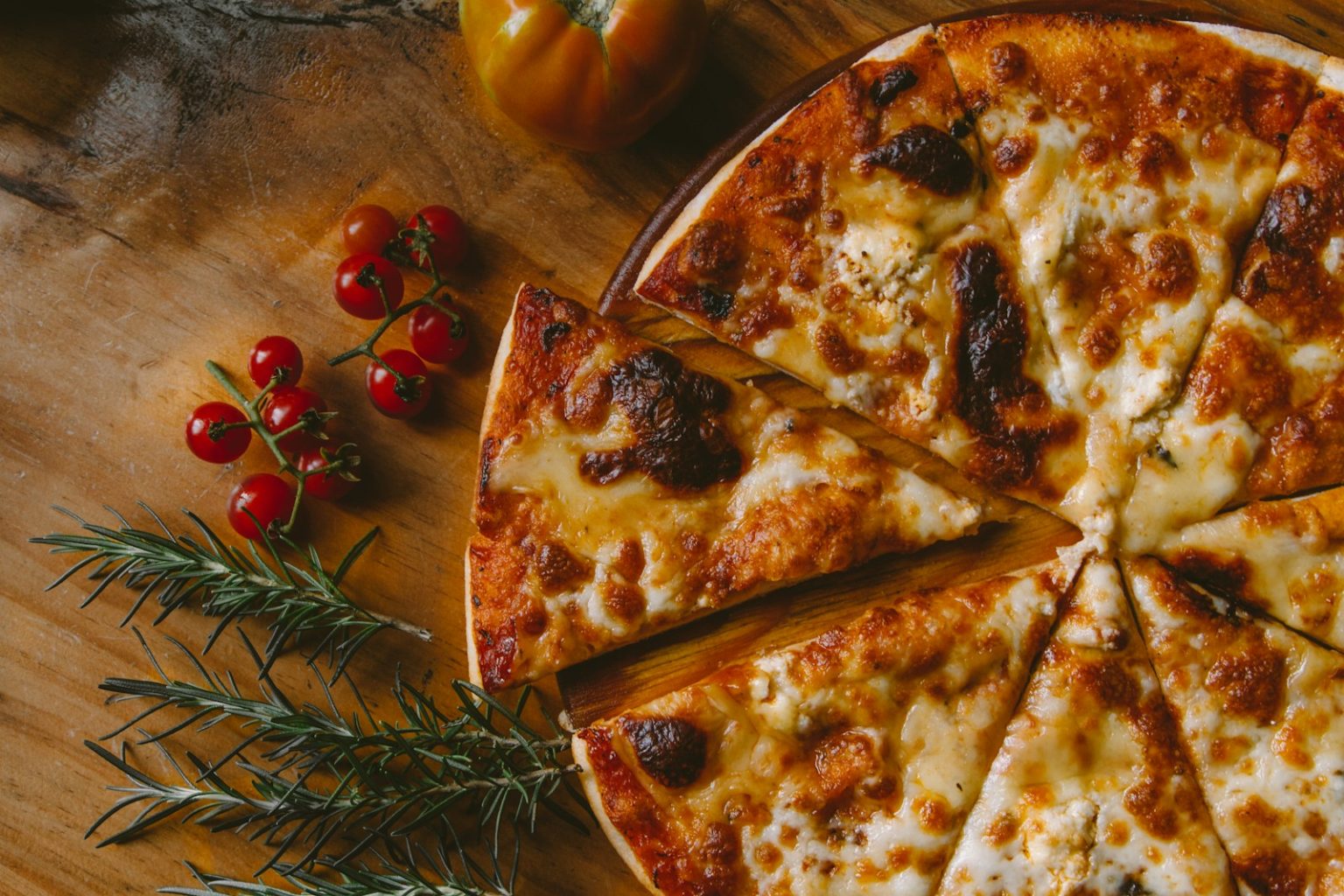
Standing in the frozen food aisle, staring at a Newman’s Own pizza box, I found myself caught in a moment of marketing absurdity. The packaging proudly declares “uncured pepperoni” as if it is something to celebrate. Since when did we start marketing food by what it is not? For independent operators and small brand owners watching this happen, the pattern is one of the cleanest live examples of food marketing flaws playing out on a national shelf.
The food industry has taken a strange turn in recent years, where marketing focuses more on what is missing from products rather than what makes them great. This negative marketing approach seems counterintuitive and potentially misleading to consumers who might not understand what these terms actually mean.
Take this pepperoni pizza, for example. The box emphasizes “uncured” pepperoni and “no artificial flavors” as selling points. But let us think about this logically. Traditional pepperoni is cured, and many of our favorite flavors throughout food history have been artificial. These marketing choices raise some interesting questions about how we view food today, and they expose food marketing flaws that any self-employed brand operator can learn from when building their own product story.
The problem with negative marketing
Consider these issues with current food marketing approaches:
- Products are increasingly defined by what they lack rather than their positive attributes.
- Technical terms like “uncured” are used without proper context or explanation.
- Marketing claims often play on consumer fears rather than celebrating food quality.
Coffee provides an interesting contrast to this trend. You will not see Cafe Bustelo advertising “uncured coffee” or making a big deal about lacking artificial elements. They simply promote their product for what it is, which is ground coffee. This straightforward approach feels more honest and consumer-friendly than the current trend of negative marketing.
The thin crust controversy
Another marketing choice that deserves scrutiny is the emphasis on “thin” crust. While some people prefer thin crust pizza, marketing it as a primary feature seems to tap into diet culture rather than celebrating the actual taste or quality of the product. Why not focus on the crispiness, texture, or authentic style instead?
“Who wants thin? What about thick?”
This simple question highlights how marketing choices often reflect broader cultural anxieties rather than honest food appreciation. We have moved away from celebrating food for its taste, quality, and enjoyment, replacing these positive attributes with a focus on what has been removed or reduced.
What the regulators actually say
This is not just a creative gripe. The FDA’s guidance on food label claims makes clear that terms used on packaging are governed by specific definitions and substantiation rules. The FTC also publishes truth-in-advertising guidance covering substantiation, disclosures, and implied claims. Most of the food marketing flaws on display in the freezer aisle are not illegal, they are simply lazy uses of language that exploit gray areas regulators have already flagged.
A bright spot in the marketing
Despite these marketing criticisms, Newman’s Own deserves recognition for one significant aspect of their business model, which is their commitment to giving back. Their packaging tells stories of children from diverse backgrounds who benefit from their profits. This approach shows how marketing can be both positive and purposeful.
The company’s dedication to donating all profits to help children in need represents a refreshing contrast to the negative marketing elements on their packaging. This shows that companies can maintain ethical practices and positive marketing messages while still being successful.
Lessons for self-employed brand owners
If you sell a physical product, a service, or even a personal brand, these food marketing flaws translate directly into traps to avoid:
- Lead with what your offer is, not a list of what it is not.
- Use plain language. If a customer needs to Google a label, your label is doing the wrong job.
- Frame quality in sensory or outcome terms, not in subtraction.
- Tie any social mission to verifiable action, not vibes.
For more on how small operators win on positioning rather than scare tactics, our piece on forgetting common sense in marketing is a useful companion read.
Moving forward
Food companies need to reconsider their marketing strategies. Instead of focusing on what products lack, they should emphasize quality, taste, and positive attributes. This shift would benefit both consumers and companies by:
- Creating clearer, more straightforward messaging.
- Celebrating food’s positive qualities.
- Building trust through honest, direct communication.
- Reducing consumer confusion about food terms.
The food industry can learn from Newman’s Own’s charitable mission while improving their product marketing. It is time to return to marketing that celebrates food rather than apologizing for it.
Frequently asked questions about food marketing flaws
What are the most common food marketing flaws on packaged products?
The most frequent ones are defining a product by what it lacks (uncured, no artificial flavors, no GMO), using technical terms without context, and turning preference attributes like “thin” into health implications they do not actually support.
What does “uncured” pepperoni actually mean?
Uncured pepperoni is typically still cured, but the curing agents come from natural sources like celery powder rather than added synthetic nitrates. The label can mislead consumers who interpret “uncured” as “not cured at all.”
Is thin crust pizza actually healthier than regular crust?
Thin crust usually contains fewer calories from dough, but overall healthiness depends on toppings, portion size, and ingredients. Marketing “thin” as a health feature oversimplifies the picture and often plays on diet culture rather than nutrition science.
Are artificial flavors necessarily worse than natural ones?
Not necessarily. Artificial flavors approved for food use are tested for safety, and many are chemically identical to their natural equivalents. The “no artificial flavors” claim is often a marketing signal, not a nutritional one.
How does Newman’s Own use its profits?
Newman’s Own donates 100 percent of its profits to charitable causes, with a strong focus on supporting children in need. The charitable model has been part of the brand since founding.
What can small business owners learn from these food marketing flaws?
Lead with what you offer, not what you avoid. Use plain language, anchor claims in verifiable outcomes, and treat any social mission as a commitment to action rather than a slogan.


