

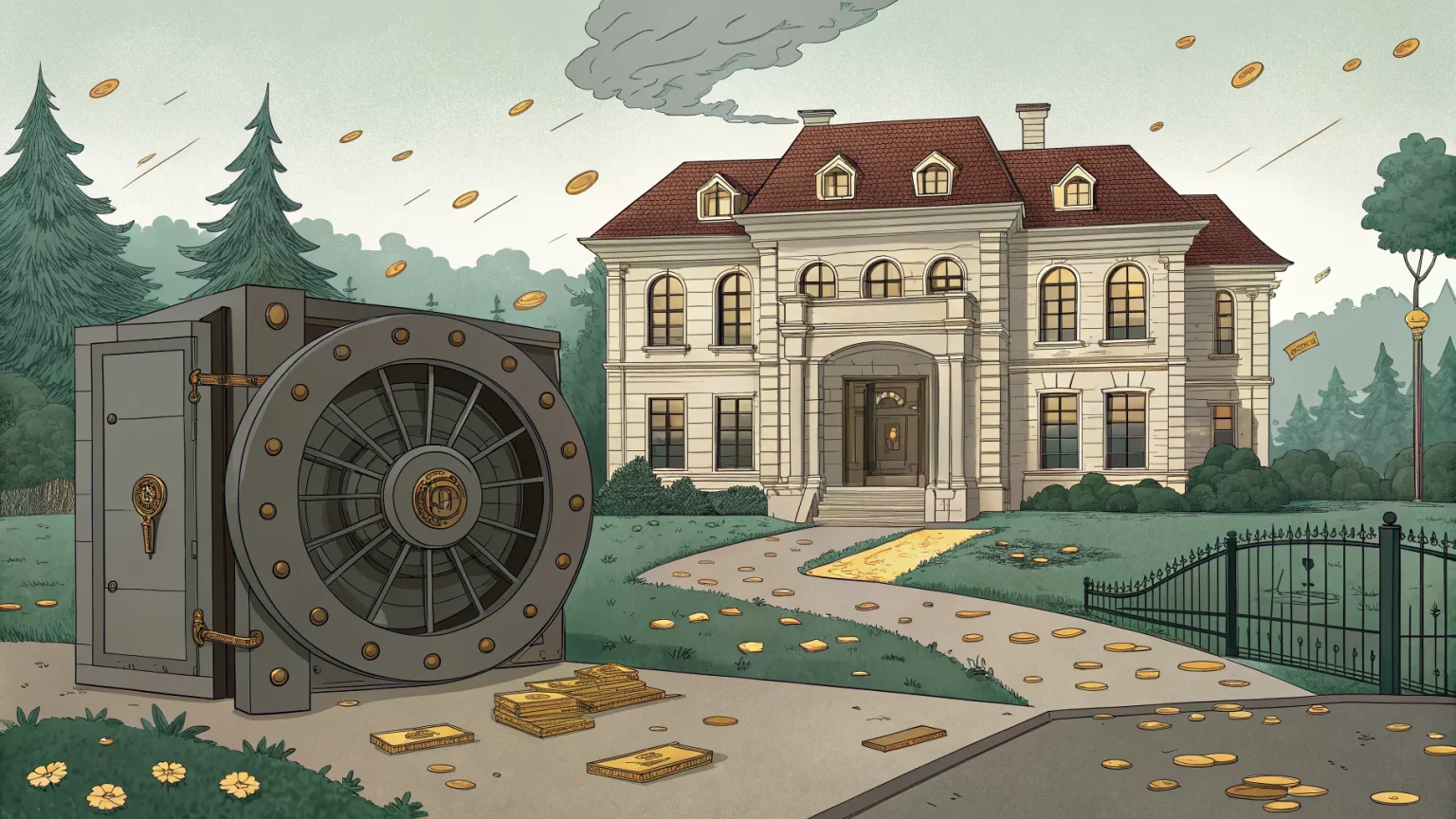
I have watched fortunes rise and fall, and I’ve learned a simple truth: money without meaning or structure slips through fingers fast. Wealth doesn’t just fade. It gets sabotaged by silence, secrecy, and a lack of shared standards. That’s not a market issue. That’s a family issue. My stance is direct—wealth that outlasts one lifetime must be taught, not just transferred.
The Difference Between Decay and Durability
The Vanderbilt story is a warning. Enormous wealth, unmatched status, and empty plans. They had marble, not a mission. Mansions rose and then fell, because spending had no philosophy and no process. As I put it in my talk:
They had the money, the marble, and no plan.
Contrast that with the Rockefellers. Similar level of money. Completely different outcome. Why? They built rules around the money and trained the next in line. They met as a family. They set standards. They taught how to create value, not just how to cut checks.
They had family retreats to make financial decisions together, and they invested in their kids.
That is the heart of durable wealth: preparation before distribution. Unprepared heirs and sudden windfalls do not mix. Or, as I said plainly:
Handing an unprepared kid substantial wealth is like dropping a 16-year-old onto the starting line of the Indy500.

My Case for Rules, Rituals, and Reps
Money needs a mission and a method. Families who last treat wealth like a skill set, not a scorecard. They practice together. They talk openly. They run drills before handing over the keys. That isn’t control; it’s care. It turns a fortune into a platform for purpose.
Here’s what I’ve seen work across generations, and what the Rockefellers modeled so well:
- Create simple, written rules for spending, giving, and investing.
- Hold regular family meetings and retreats to vote and learn.
- Teach kids to earn, save, and build value before they inherit.
- Use shared stories and standards to guide decisions.
- Start small: apprenticeships, mock portfolios, and real feedback loops.
These aren’t complex tactics. They’re habits. And they shape identity. When a family sees itself as creators, not just consumers, behavior changes. That’s how wealth becomes a tool instead of a trap.
Evidence, Lessons, and Pushback
The Vanderbilt mansions on Fifth Avenue once screamed power. One by one, they vanished. There was money, but no plan to keep it working. It’s not the tax code or inflation that did the damage. It was a void of leadership and learning. On the other hand, the Rockefellers aligned money with values. They made choices together. That produced six, now seven, generations of impact.
Some argue that rules stifle freedom. I disagree. Rules create room for better choices. Guardrails don’t take away agency; they protect it. And if a family fears that structure will cause rebellion, that is proof structure is overdue.
Others think the market is too unpredictable to plan for. But uncertainty is exactly why families need shared playbooks. Without them, emotions drive decisions. With them, principles do.
What This Means for Your Family
Wealth that lasts is taught around tables, not just drafted in documents. You don’t need a dynasty to act like one. Start with a clear purpose for your money. Name what you stand for. Then install rituals that make those ideas real. Make every dollar answer to your values and your vision.
Do not wait for an inheritance event to start training. Prepare heirs with reps, not lectures. Give them skin in the game while the stakes are small. Review choices together. Praise good judgment. Learn from mistakes while the cost is low.
Final Word
Wealth dies from neglect, not from use. The fix isn’t more products or secret strategies. It’s shared rules, regular meetings, and real education. That’s how you turn fortune into fuel.
Set a date for your first family retreat. Draft three simple rules for spending, giving, and investing. Share one story that defines what your money is for. Start now, while the marble still stands.


