

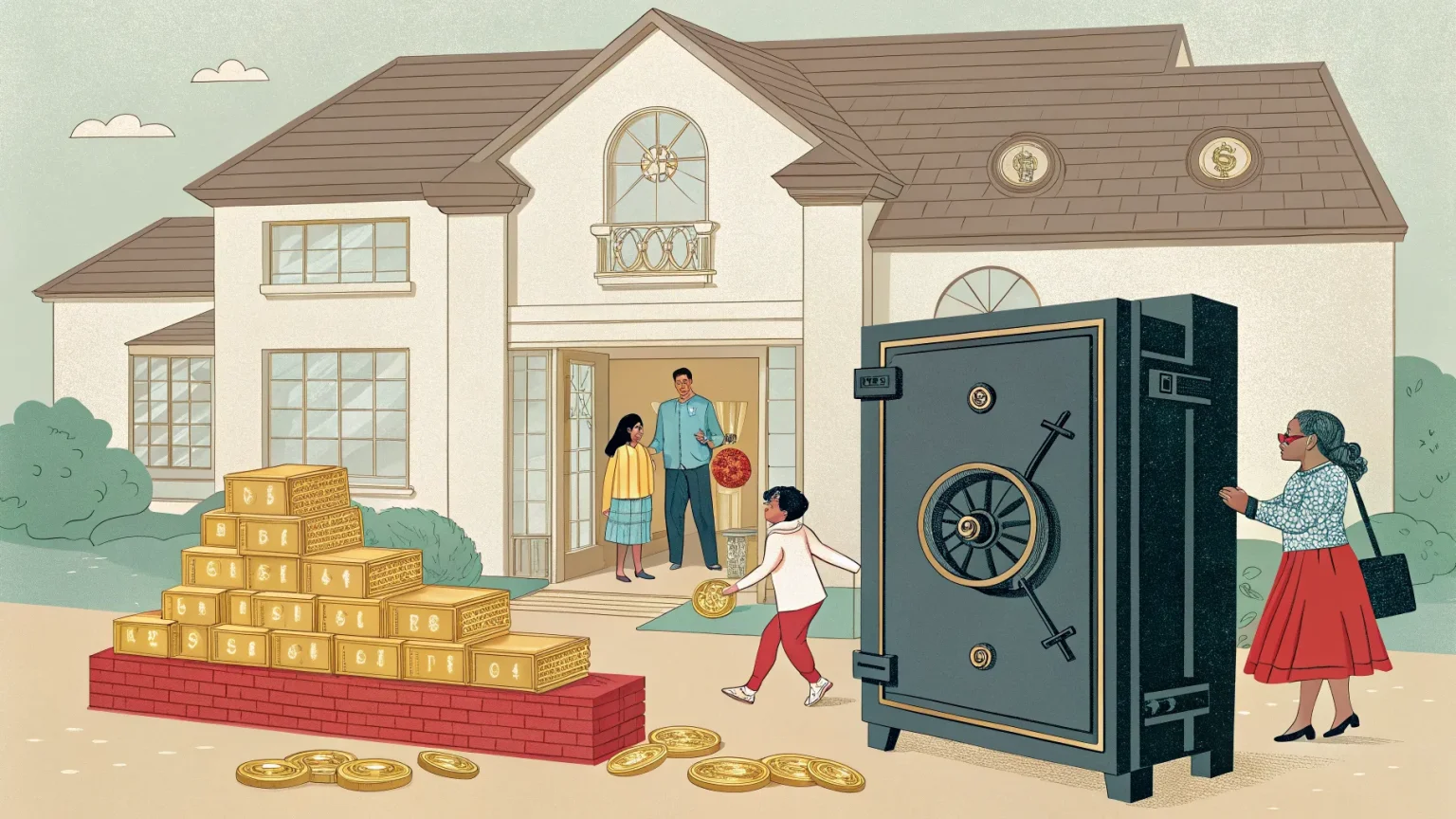
I help people grow wealth, cut risk, and protect their families. Yet I see the same hole over and over. People set up accounts, buy insurance, and draft trusts. Then they hide the keys to the vault. That is a silent failure.
Here’s my stance: if your spouse can’t find your passwords, accounts, and policies, your planning is broken. It might look tidy on paper. It won’t work when your family needs it most.
This matters because life comes fast. If something happens, the mortgage is still due. Kids still need school and food. Stress will be sky high. Your loved ones should not have to search for clues while they grieve.
The Hard Truth We Avoid
Most people avoid this talk because it feels dark. But avoidance creates chaos. Silence is not a plan.
“If something happens to you tomorrow, your family shouldn’t have to play detective during the worst week of their lives.”
I’ve seen it up close. A client had seven accounts, three insurance policies, and a trust set up right. On paper, he looked prepared. His wife had no idea where the documents were. She didn’t know the advisor’s name. She didn’t have the login for the life insurance portal. She didn’t even know the policies existed.
“Everything was protected, and none of it was accessible. The safety net was there, but nobody could have found it.”
That is not uncommon. It is the norm. And it turns wealth into a maze with no map.

My Core Argument
Accessibility is as important as assets. If your family can’t use it, you don’t own it in a meaningful way. You just have numbers on a statement that no one will see on time.
The fix is simple. It’s not legal rocket science. It’s not a complex binder. It’s one page.
“Build a one-page document. Every account, every policy, every login, every advisor’s name.”
Print it. Put it where your spouse knows. Update it when you add or close accounts. That single act can save weeks of pain.
What Your One Page Should Include
Keep it short, clear, and safe. The goal is fast access during stress.
- Full names of banks, brokerages, and retirement accounts
- Account types and where to log in
- Usernames and password locations (not the passwords themselves if you prefer, but say where they are)
- Insurance carriers, policy numbers, and coverage type
- Advisor names and firm names
- Location of your will, trust, and health directives
- How to reach the executor or trustee
- Where the physical copy of this page is stored
Add a quick note on how bills are paid. If autopay covers the mortgage or utilities, say which account funds it. That reduces panic.
“It’s Morbid” And Other Excuses
Some people say this is too heavy. I get it. But grief is heavier. I would rather face an awkward hour now than watch a family scramble later.
Others think it will take forever. It won’t. You can draft a first version in under an hour. You can refine it next week. Progress beats perfection.
Worried about security? Store the page in a safe. Use a password manager and list where the master password is held. Tell your spouse or trusted person how to access it. Risk managed.
The Payoff
Clarity lowers fear. It stops money from getting stuck in limbo. It helps your family get cash fast, file claims, and keep the roof overhead.
“You’ve spent years building wealth. And all of it’s pretty useless if your spouse can’t find it when it actually matters.”
This is love in action. Not flowers. Not words. Access.
Do This Tonight
Make the one page. Print it. Put it in a safe. Tell your spouse where it is. Set a reminder to update it every six months. If you have kids or business partners, tell them who knows where it is.
Your money should protect people, not puzzle them. Make it easy to find. Make it easy to use. That is real planning.
I’m Garrett Gunderson. I coach people to build wealth they can actually enjoy and pass on. Take one hour tonight. Your future self—and your family—will thank you.


