

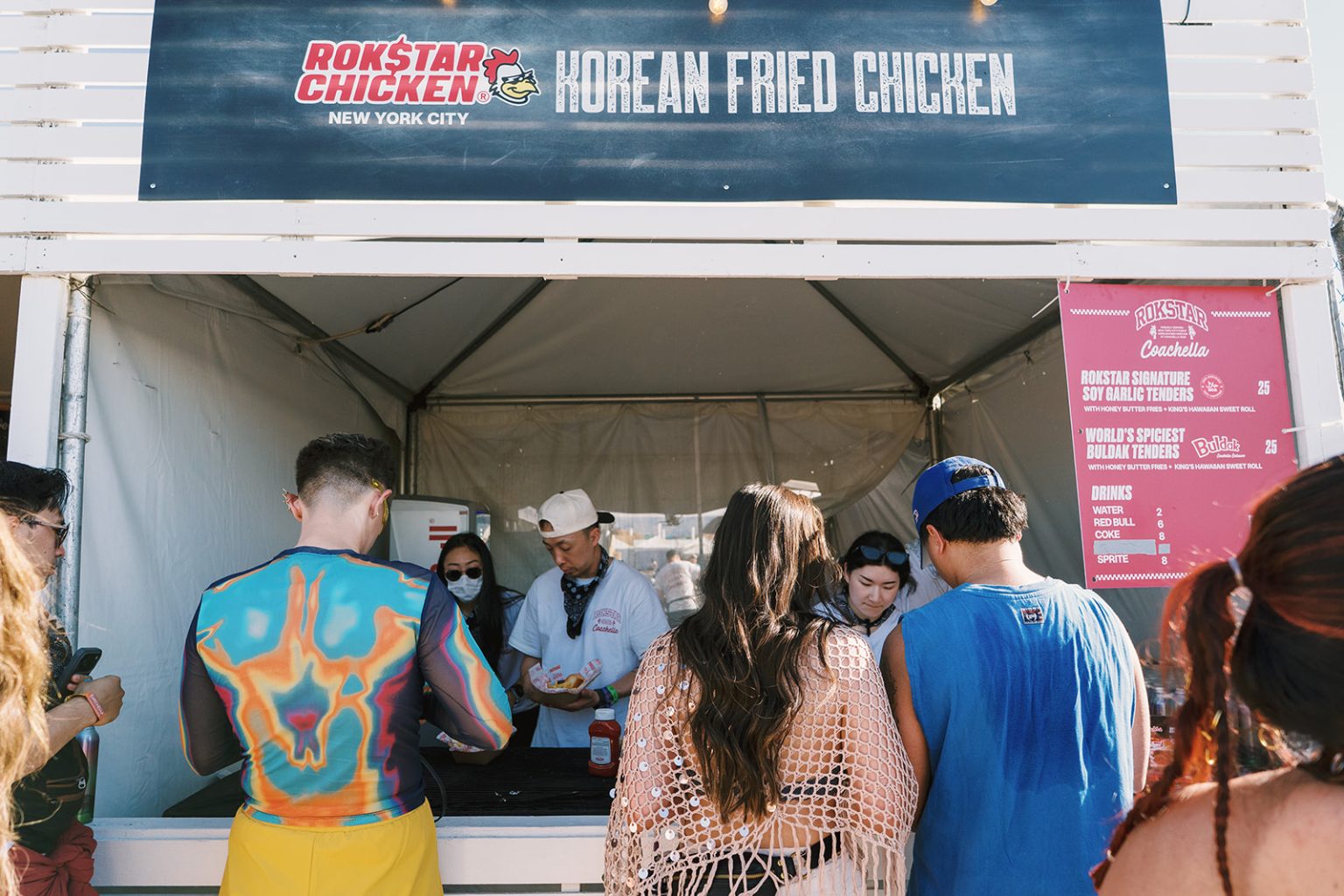
There was a time when festival food was mostly functional. You grabbed something quick between sets, ate it fast, and moved on. That’s no longer the case at Coachella Valley Music and Arts Festival. Now, what people eat has become part of what they share. Meals are photographed, compared, recommended, and sometimes even treated like small challenges within the larger experience.
Spicy food, in particular, has taken on a different role. It’s not just about taste, it’s about reaction. That shift helps explain why Buldak, the globally recognized Top spicy brand from Samyang Foods, is returning to Coachella in 2026 as the official ramen and hot sauce partner.
Over the past decade, Buldak has built much of its identity around that idea. The Spicy Fire Noodle Challenge spread because people wanted to see how others handled the heat. The product became a prompt, and the reaction became the content.
People Laugh, Compare Tolerance Levels, And Pass It Along.
It turns eating into something closer to participation, and it’s entertaining to watch.
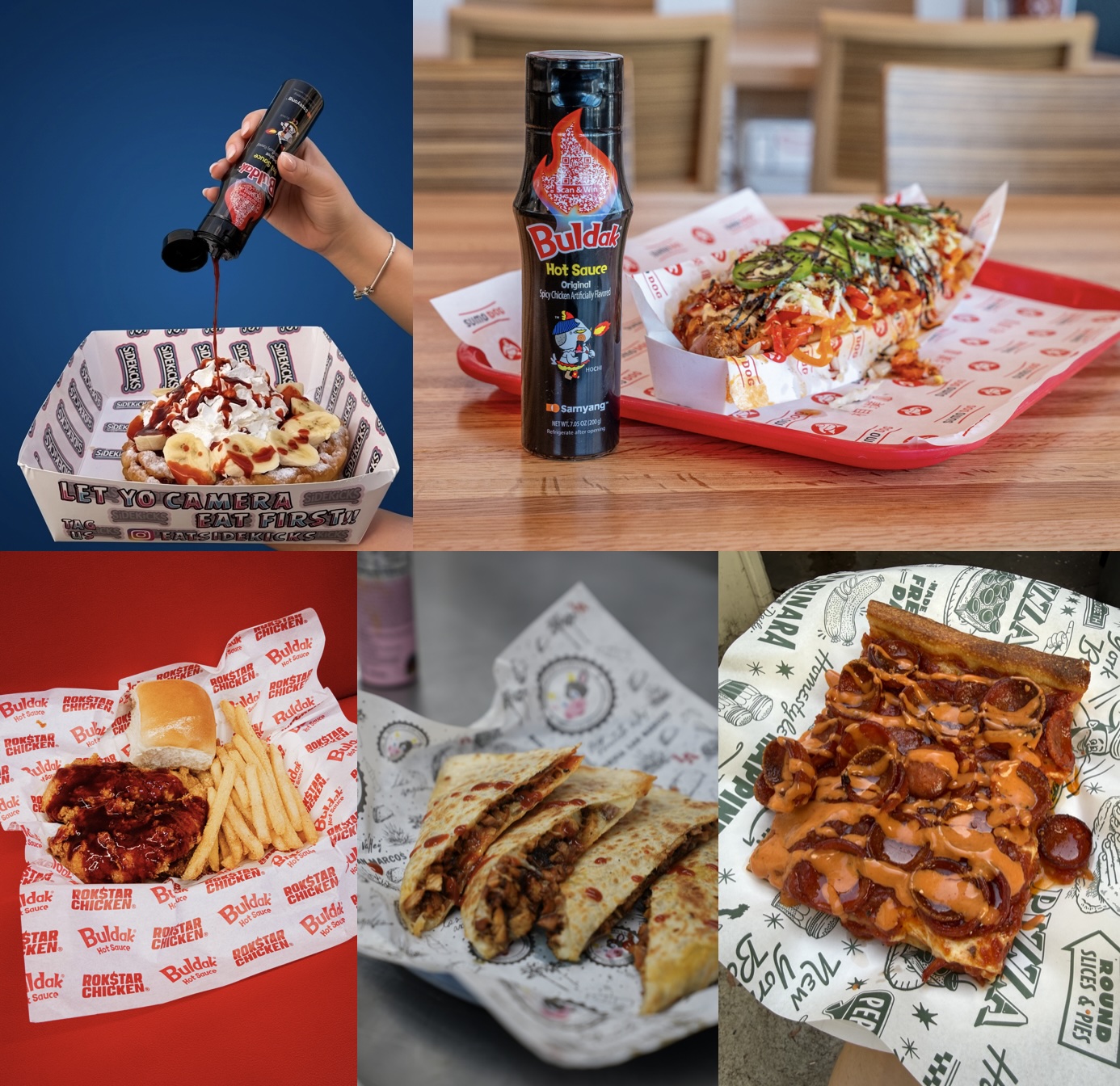
Photo Credit: Samyang Foods
Buldak’s presence this year leans into that dynamic, but not in a way that requires people to stop what they’re doing. Instead of building a single destination, the brand is working through a network of food vendors across the festival grounds. Prince St. Pizza, Rokstar Chicken, Sumo Dog, Birrieria San Marcos, and Sidekicks are each incorporating Buldak’s flavor into their own menus, creating multiple points of entry rather than one central moment.
That structure changes how the experience unfolds. There’s no clear start or finish. Someone might encounter it once and move on. Someone else might hear about it and try to track down multiple versions. It builds through repetition and word of mouth rather than a single line or queue.
It Also Reflects How The Product Itself Has Evolved.
While Buldak is still closely associated with instant noodles, its expansion into sauces has made it easier to use across a wider range of foods. That flexibility is what allows it to show up in formats that feel familiar to U.S. consumers without requiring any explanation.
For a company like Samyang Foods, which introduced South Korea’s first instant ramen in 1963, that kind of adaptation is part of a broader shift. Growth is no longer just about distribution or shelf space. It’s about how a product enters everyday situations and whether it fits without friction.
Festivals are one of the clearest testing grounds for that. They compress a large, diverse audience into a short window, where decisions are made quickly and shared just as fast. If something resonates, it spreads. If it doesn’t, it disappears just as quickly. In that context, Buldak’s strategy is to insert itself into moments that are already happening.
By the end of the weekend, people may not remember where they first tried it or which vendor it came from. But they remember the reaction, the conversation that followed, or the recommendation they passed along to someone else.
In a setting where experience is constantly being documented and shared, that kind of interaction carries further. And, for a brand built around intensity, that may be the most natural fit. Fans can follow along on Instagram and TikTok.
Photo Credit: Mckenzie Hilton


