

I coach elite business owners for a living, and I’ve seen one truth play out over and over: wealth dies without stewardship. Families don’t lose money because they buy nice things. They lose it because they fail to build a system that protects purpose, decision rights, and cash flow.
That’s why I prefer the Rockefellers over the Vanderbilts. One family proved that wealth can last. The other proved that spending alone is not a strategy.
The Cost of No System
The Vanderbilts started with a fortune few could imagine. Yet the fortune faded within a few generations. The reason wasn’t a mystery. They had no structure to preserve and grow the money.
“The Vanderbilts had more money than the US Treasury, but they decimated their wealth… They knew how to spend money, but they didn’t really know how to grow it.”
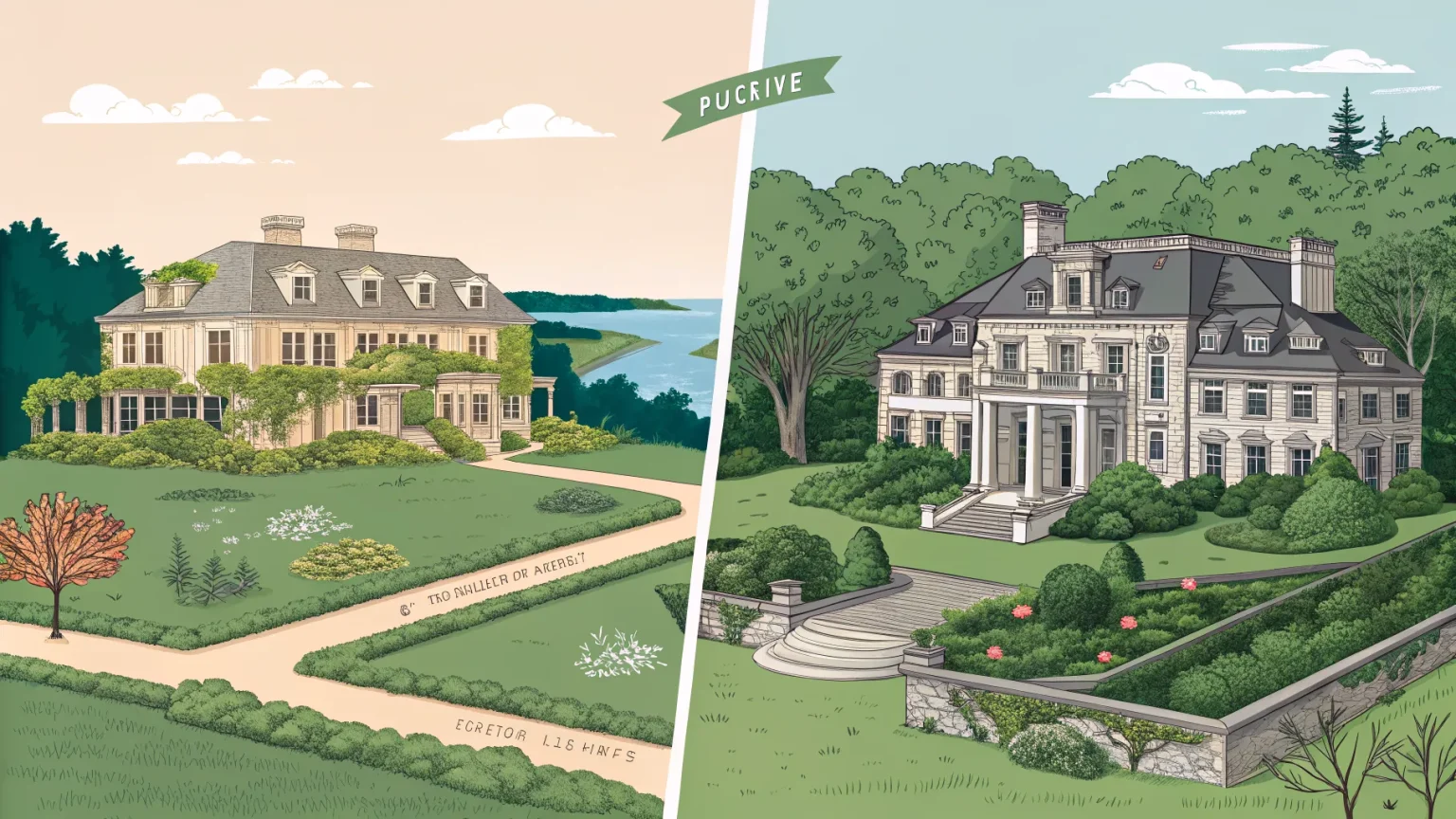
Cornelius gave huge sums to his eldest son, William Henry. William doubled the estate in nine years. That was the last time it grew. After that, the focus shifted to parties, mansions, and status. Ten Manhattan mansions at one point. None now.
The biggest miss was not the spending. It was the lack of direction and discipline. There was a wish to keep the money together, but no binding plan. No trust. No rules. No replenishment.
“They didn’t have trust… keep the money together, but no one had to abide by that… and they didn’t have insurance to replenish it.”

The Rockefeller Playbook
John D. Rockefeller did something different. He built a structure that outlived him. He turned wealth into a system, not an event.
“For the Rockefellers, they’re on their sixth generation wealth moving to the seventh… a trust spells out what the intentions are… each generation gets to utilize money under certain criteria.”
Access without entitlement. Use without waste. Clear criteria. That is how you avoid a slow leak of capital and trust. Every Rockefeller is also insured. The family treats each life as an asset. When someone passes, funds flow back to the family system. That keeps the pool strong.
“Every Rockefeller born gets life insurance on them because they’re seen as an asset to the Rockefeller family.”
This is simple, not easy. It takes leadership and clarity. But it works.
What High-Net-Worth Families Should Do
If you want your wealth to last, you need a repeatable playbook. Here’s where to start.
- Build a purpose-driven trust with clear intentions, roles, and rules.
- Set criteria for access to funds: education, ventures, impact projects.
- Create a family governance process: meetings, education, stewardship training.
- Fund life insurance on family members to replenish capital.
- Prioritize growth and cash flow over status purchases.
These steps turn wealth from a windfall into a working system that can keep serving the family mission.
But Isn’t This Just Control?
I hear that pushback. Some argue trusts limit freedom. My view: lack of structure is false freedom. It leaves heirs with cash but no wisdom. Then the cash goes fast.
A well-built trust offers choice with consequences. It funds learning and responsibility. It asks each generation to contribute. That is not control. That is care.
The Real Lesson
The Vanderbilts show what happens when wealth meets lifestyle without leadership. The Rockefellers show what happens when leadership meets structure and strategy.
“It’s perpetual in nature… each generation gets to utilize money under certain criteria and circumstances. They don’t just automatically get it.”
That is the line in the sand. Automatic money creates automatic problems. Guided money creates growth, impact, and durability.
A Call to Action
If you built wealth, don’t leave your heirs a guessing game. Create a written mission. Build a trust that enforces it. Install governance. Fund insurance to refill the tank. Teach stewardship early and often.
Wealth doesn’t fail because of markets. It fails because of silence and drift. Choose structure over status. Choose intention over impulse. Your great-great-grandchildren will know your name if you do.


