

Most freelancers do not get stressed about taxes because they hate numbers. They get stressed because taxes show up at the worst possible moments. A slow client month. An unexpected expense. A bank balance that looked fine until the IRS reminder hits. Over time, you start noticing a pattern. Some self-employed people seem calm year round, even when income fluctuates. Others panic every quarter, scramble in April, and quietly resent their business. These twelve 1099 tax tips are the unglamorous habits that quietly separate the two groups.
The difference is rarely raw income. It is usually a handful of tax moves that create predictability in an otherwise unpredictable career. After years of watching freelancers at different stages, working with solo business owners, and living this reality ourselves, the line between stable and stressed becomes obvious. These moves are not fancy loopholes or aggressive schemes. They are boring, repeatable habits that reduce anxiety and protect cash flow. Here are twelve 1099 tax tips that quietly separate the freelancers who sleep at night from the ones who dread their inbox.
1. They treat taxes like a monthly expense, not an annual surprise
Stable freelancers stop thinking of taxes as something that happens in April. They mentally classify taxes alongside rent, software, and groceries. Every time income comes in, a portion is already spoken for. This mindset shift alone reduces panic. When taxes feel like a routine operating cost, you stop spending money that was never really yours.
2. They separate tax money the moment they get paid
Stressed freelancers wait to see what is left at the end of the month. Stable ones move tax money immediately into a separate savings account. Some use a dedicated high-yield account labeled “Taxes” to remove temptation. Mike Michalowicz, author of Profit First, popularized this behavioral approach because it works even when discipline fails. Out of sight money creates emotional relief.
3. They pay quarterly estimates even when it feels annoying
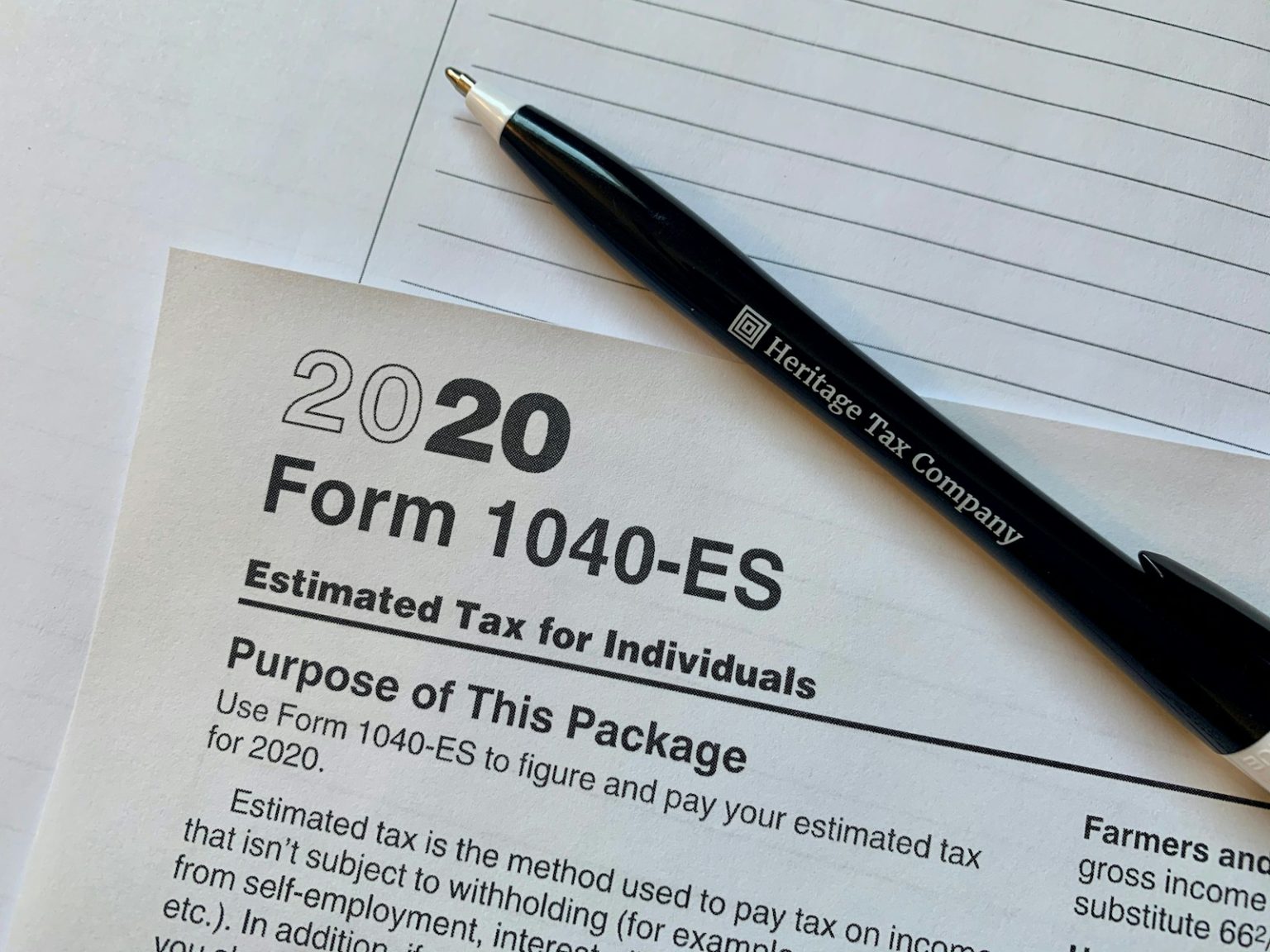
Quarterly estimated taxes feel optional until penalties show up. Stable freelancers accept that uneven income still requires regular payments. They would rather slightly overpay and adjust later than risk a surprise bill. The IRS publishes deadlines and safe-harbor rules in its official estimated taxes guide, and reviewing it once at the start of the year is one of the simplest 1099 tax tips that actually pays off.
4. They understand their real write-offs, not just the popular ones
Experienced freelancers know the difference between legitimate deductions and internet myths. Home office rules, mileage tracking, software subscriptions, and professional services get documented properly. Stressed freelancers either overreach or underclaim. Both cause problems. Stable freelancers usually learn this the hard way once, then get precise going forward. The Small Business Administration’s small-business tax overview is a clean, free starting point for what actually qualifies as a deduction by entity type.
5. They work with a tax pro who understands self-employment
Generalist tax prep works until your income gets messy. Stable freelancers eventually hire a CPA or EA who works with independent professionals regularly. Tiffany Grant, an enrolled agent known for working with solopreneurs, often points out that self-employed taxes are less about loopholes and more about planning conversations. That planning reduces uncertainty far more than DIY guesswork.
6. They track income and expenses year round, not retroactively
Reconstructing a year of transactions in March is a special kind of stress. Stable freelancers reconcile monthly or at least quarterly. Tools like QuickBooks, Wave, or even a clean spreadsheet keep things visible. The benefit is not just accuracy. It is confidence. You know where you stand before the deadline forces you to look. If you have not separated the books yet, our step-by-step self-employed bookkeeping guide walks through the cleanest setup.
7. They adjust withholding and estimates when income changes
Freelancers with growing income do not keep paying last year’s estimates out of habit. They increase payments when revenue climbs and reduce them when business slows. This flexibility is one of the few advantages of self-employment tax systems. Stressed freelancers often realize too late that last year’s numbers no longer apply.
8. They know when an LLC or S corp actually makes sense
Stable freelancers do not rush into entity changes because TikTok said so. They run the numbers. For some, an LLC taxed as an S corp saves thousands. For others, the payroll complexity adds stress without benefit. The calm freelancers make this decision with an advisor and revisit it as income changes instead of locking themselves into unnecessary structure. Our sole proprietorship vs LLC guide covers the trade-offs honestly.
9. They keep clean documentation in case of questions
Audit fear is often rooted in disorganization. Stable freelancers save receipts, mileage logs, and invoices digitally throughout the year. They do not rely on memory. Even if an audit never comes, knowing you could defend your numbers creates mental calm. Stressed freelancers often fear scrutiny because they are unsure themselves.
10. They plan for retirement through tax-advantaged accounts
Taxes feel heavier when there is no upside. Stable freelancers use SEP IRAs, Solo 401(k)s, or traditional IRAs to reduce taxable income while building future security. This reframes taxes from pure loss to partial investment. Even small contributions change how April feels emotionally.
11. They revisit tax strategy after big life changes
Marriage, kids, moving states, or buying property all change tax dynamics. Stable freelancers treat these moments as triggers to review strategy. Stressed freelancers keep operating on outdated assumptions. Taxes are not static, and ignoring life changes often leads to avoidable surprises.
12. They accept that calm is built, not achieved overnight
Perhaps the biggest difference is patience. Stable freelancers did not wake up tax-confident. They built systems slowly, fixed mistakes, and refined habits over multiple years. Stressed freelancers often expect one perfect setup to eliminate anxiety forever. In reality, stability comes from iteration, not perfection.
How to apply these 1099 tax tips this quarter
You do not have to install every habit at once. Pick three from the list and start now:
- Open a dedicated tax savings account and route a fixed percentage of every payment into it.
- Calendar all four quarterly estimated tax deadlines for the rest of the year.
- Block one monthly hour for bookkeeping reconciliation so April never sees a backlog.
Those three alone usually shift a freelancer’s tax experience from reactive to predictable inside one year.
Closing
Freelancer tax stress is rarely about intelligence or effort. It is about systems that either support you or constantly trip you up. The freelancers who feel calm did not find a secret trick. They made a series of small, unglamorous decisions that added up to predictability. If you are feeling stressed right now, that does not mean you are behind. It usually means you are one or two habits away from a very different experience next year.
Frequently asked questions about 1099 tax tips for freelancers
How much should freelancers set aside for 1099 taxes?
A common starting range is 25 to 30 percent of net income, with the exact number adjusted for your tax bracket, state taxes, and self-employment tax. Using last year’s effective rate as a baseline and updating quarterly works for most independents.
When are quarterly estimated taxes due?
Estimated taxes are generally due four times per year, in April, June, September, and the following January. Exact deadlines and safe-harbor rules are published by the IRS and should be confirmed each year for any holiday or weekend adjustments.
Do all freelancers need to pay quarterly taxes?
If you expect to owe at least $1,000 in federal tax for the year after withholding and credits, the IRS generally expects quarterly estimated payments. Skipping them can trigger underpayment penalties, even if you pay in full by April.
What is the biggest tax deduction most 1099 freelancers miss?
Retirement contributions through a SEP-IRA or Solo 401(k) are the most commonly missed because they reduce taxable income meaningfully and double as long-term savings, but many freelancers do not realize they qualify.
When does it make sense to form an S corp as a freelancer?
Typically once net income consistently clears the $60,000 to $80,000 range and you can support a reasonable salary plus distributions. Below that, payroll complexity and administrative costs often cancel the tax savings.
Should I hire a CPA or use tax software?
Software works well for straightforward 1099 income and a Schedule C. Once you add an entity, multi-state income, retirement contributions, or significant deductions, a CPA or enrolled agent who specializes in self-employment usually pays for themselves.
What is the easiest first step toward lower tax stress?
Open a separate savings account labeled “Taxes” and move a fixed percentage of every client payment into it on the same day you get paid. That single behavioral change resolves most of the panic before any tax form is touched.


