

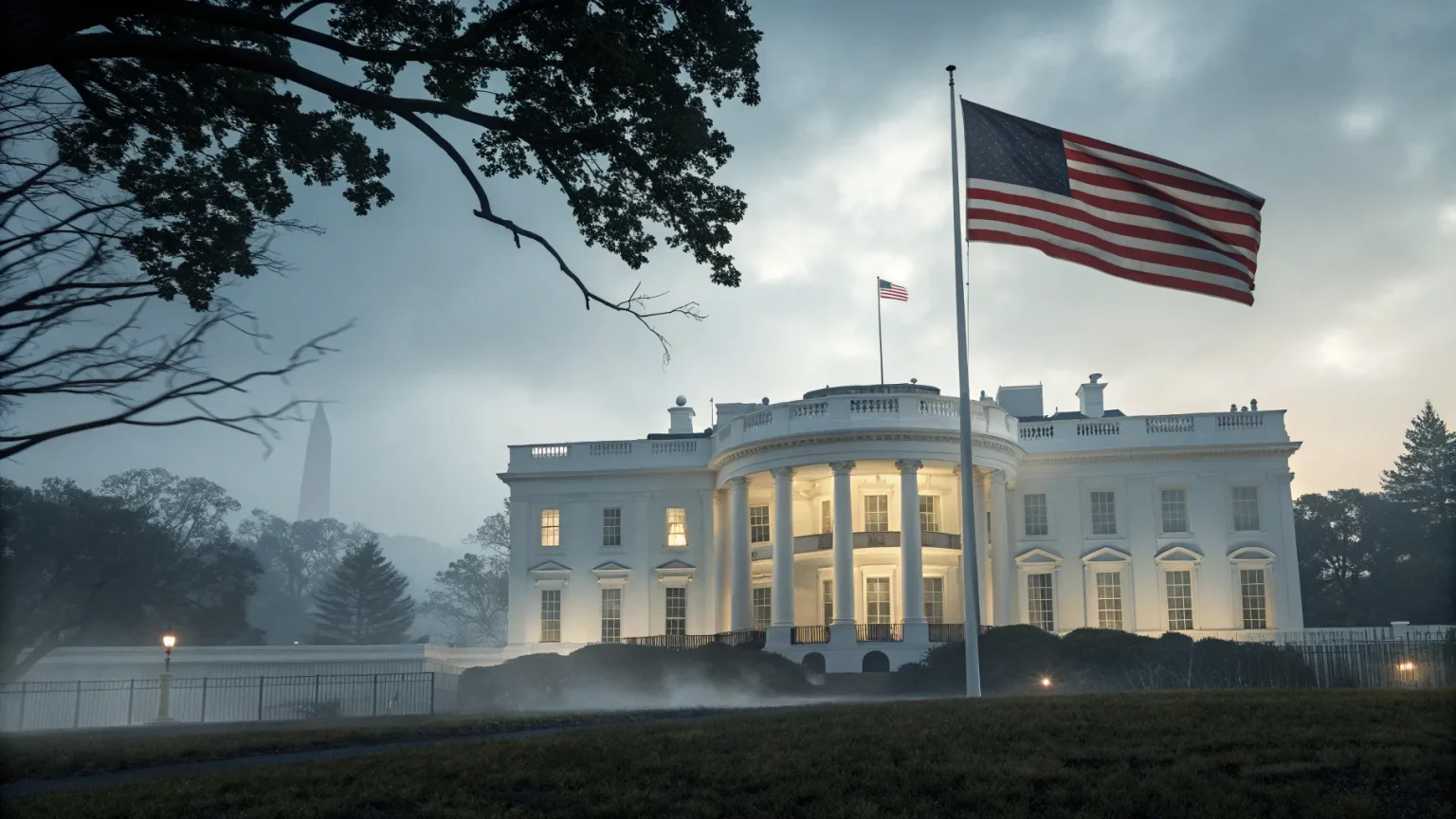
The Trump administration is accused of pressuring Stars and Stripes, the independent newspaper that serves U.S. troops across the globe. The claim raises alarms about government influence over a publication protected by long-standing editorial safeguards. At issue is whether political actors are trying to shape coverage that reaches service members on bases and battlefields worldwide.
Stars and Stripes operates with a unique mandate. It is funded by the Department of Defense but maintains editorial independence by law and practice. The outlet reports on military life, policy, and operations, often providing a perspective that differs from official briefings. Any political effort to steer its coverage risks chilling effects on reporters and readers who rely on it for unvarnished news.
What Was Said
The Trump administration is exerting political pressure on Stars & Stripes, the independent military newspaper that informs US servicemembers worldwide.
The statement, concise and direct, signals concern over possible interference. It does not specify the form of pressure. But it highlights the paper’s role in informing troops and the sensitivity of any attempt to sway its work.
A Paper With Deep Roots and Guardrails
Stars and Stripes traces its heritage to the Civil War era and has published for generations of U.S. troops. It has reported from war zones, covered troop welfare issues, and scrutinized military leadership. That track record has built credibility among service members and families.
The paper’s independence is not symbolic. While supported by the Pentagon, Stars and Stripes follows editorial standards separate from command structures. Congress has voiced support for its mission over many years. Press freedom groups often point to the outlet as a rare model of independent reporting within the military sphere.
Pressure, Funding, and Editorial Lines
Political pressure on a military-affiliated outlet can take several forms. Direct attempts to influence articles are one route. Another is financial pressure, such as attempts to reduce or redirect funding. Access constraints and public criticism can also affect news decisions and morale.
In past years, debates over the paper’s budget have sparked national attention. Proposals to cut or halt funding drew bipartisan pushback and public support for continued publication. Those episodes showed how quickly financial changes can threaten operations, circulation, and staffing.
- Editorial independence: Protected by policy and practice, even within a defense structure.
- Financial stability: Essential to maintain reporting teams and print/digital distribution.
- Access and transparency: Vital for coverage of military life and readiness.
Why It Matters for Troops and the Public
Stars and Stripes reaches readers who face unique risks and responsibilities. Service members need clear, independent reporting on pay, benefits, deployments, and leadership decisions. Political influence could narrow the range of stories or mute criticism that informs decisions on and off duty.
Public confidence also hangs in the balance. The paper serves as a bridge for civilians seeking to understand the experience of military families. If the outlet is viewed as aligned with political aims, trust could erode among troops and the public alike.
Checks, Oversight, and Next Steps
Several checks help protect the paper’s independence. Congressional oversight has historically defended its mission. Pentagon policies support editorial separation from command influence. Press freedom advocates monitor complaints and report patterns of interference.
If pressure persists, lawmakers could seek clarity on directives and funding. Transparency measures, including public letters or hearings, can surface concerns early. The paper’s leadership can also reaffirm newsroom standards and resist attempts to shape coverage.
The allegation of pressure on Stars and Stripes raises urgent questions about press freedom within the military context. The paper’s mission is clear: inform service members without fear or favor. Continued vigilance from Congress, the Pentagon, and the public will shape what happens next. Readers should watch for funding decisions, formal statements from defense leaders, and any changes in access or editorial policy. The health of this institution will be measured by whether its reporters can keep doing their work—independently, accurately, and in the open.


