

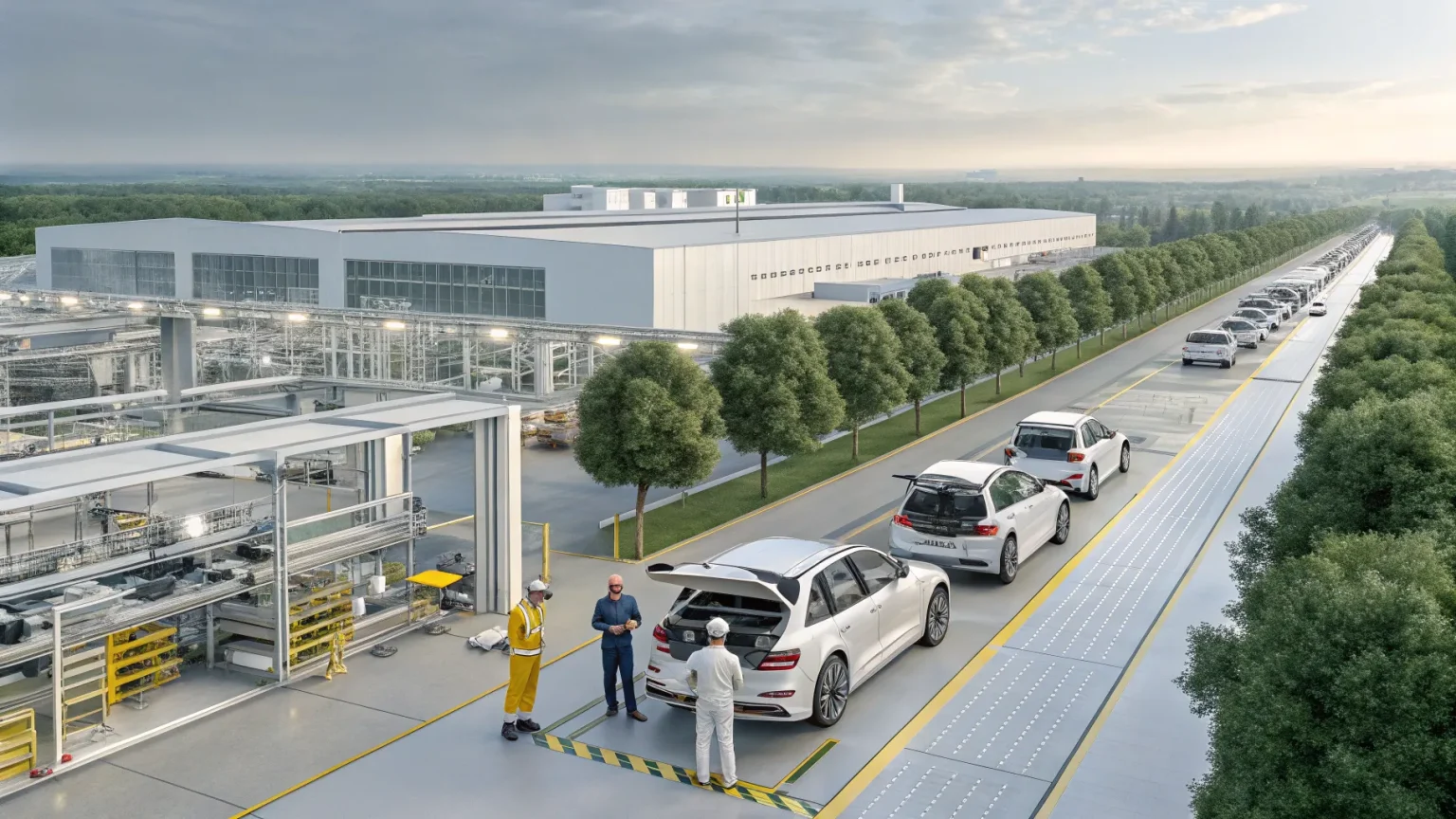
Foreign automakers are accelerating plans to build and source more parts inside the country, signaling a shift in strategy to stay close to customers and policy makers. Companies are expanding assembly, deepening supplier ties, and hiring local talent as they adapt to market pressures and supply chain risks. The push reflects a bid to cut costs, meet local content rules, and speed delivery.
“Foreign carmakers are localising their operations in the country.”
The move points to a new phase in the auto sector. It follows years of import-driven sales and recent disruptions that exposed the cost of distant production. Localisation now sits at the center of plans for growth, especially as electric and hybrid models gain ground.
Policy Pressure and Market Demand
Trade policies are encouraging local assembly and parts sourcing. Local content requirements and tax incentives make domestic production more attractive than shipping completed vehicles. Officials also want jobs, skill transfer, and steady investment.
Consumer expectations are changing as well. Buyers want quicker delivery times, more model options, and better service. Producing near the point of sale can reduce wait times and align features with local tastes. It also helps brands respond to price competition from regional rivals.
Supply chain shocks have been a wake-up call. Factory shutdowns and shipping delays showed how fragile long routes can be. Building more capacity inside the country offers a hedge against future disruptions.
What Localisation Looks Like
Companies are not only assembling vehicles. They are building supplier networks, engineering teams, and service operations to support long-term growth. Typical steps include:
- Setting up or expanding final assembly plants and tooling.
- Sourcing key components from local suppliers to meet content targets.
- Establishing engineering and testing units for regional models.
- Training workers and partnering with technical schools.
Executives say this approach can lower logistics costs and import duties. Suppliers see new orders and opportunities to upgrade quality. Dealers expect better parts availability and faster repairs.
Competing Visions and Concerns
Industry leaders argue that local production will make cars more affordable and reliable. They cite shorter lead times and fewer currency risks. Some warn that early costs may rise as plants scale up and suppliers meet quality standards.
Labor groups welcome new jobs but push for safe conditions and fair wages. They want strong training programs and clear paths for advancement. Environmental advocates urge strict emissions rules for factories and cleaner production methods.
Local suppliers see potential for long-term contracts. They also face pressure to invest in modern equipment and meet tight deadlines. Banks and investors are watching how quickly demand justifies new capacity.
Electric Vehicles Change the Playbook
The shift to electric and hybrid models is speeding localisation. Building battery packs, power electronics, and charging components near assembly lines can cut costs and improve service. It also helps automakers qualify for incentives linked to local content.
Suppliers are exploring partnerships in battery materials, software, and thermal systems. Engineers are adapting vehicles to local charging standards, road conditions, and climate. These changes require close coordination across the manufacturing network.
What To Watch Next
The next phase will test whether local plants can reach scale and maintain quality. Key signs to monitor include new supplier contracts, hiring plans, and model launches built in-country. Analysts will track price changes, delivery times, and warranty performance.
Policy updates will also matter. Stable rules can encourage long-term capital spending. Clear standards for emissions, safety, and recycling will shape which technologies take root.
For now, the direction is set. Automakers are moving production closer to buyers, betting that proximity will pay off in resilience and trust. If they execute well, consumers could see more choice, faster service, and competitive prices. If not, the sector may face delays, higher costs, and uneven quality.
The outcome will hinge on execution in factories and supplier plants. It will also depend on how quickly skills and infrastructure grow. The industry has entered a local race where speed, reliability, and cost control decide the winners.


