

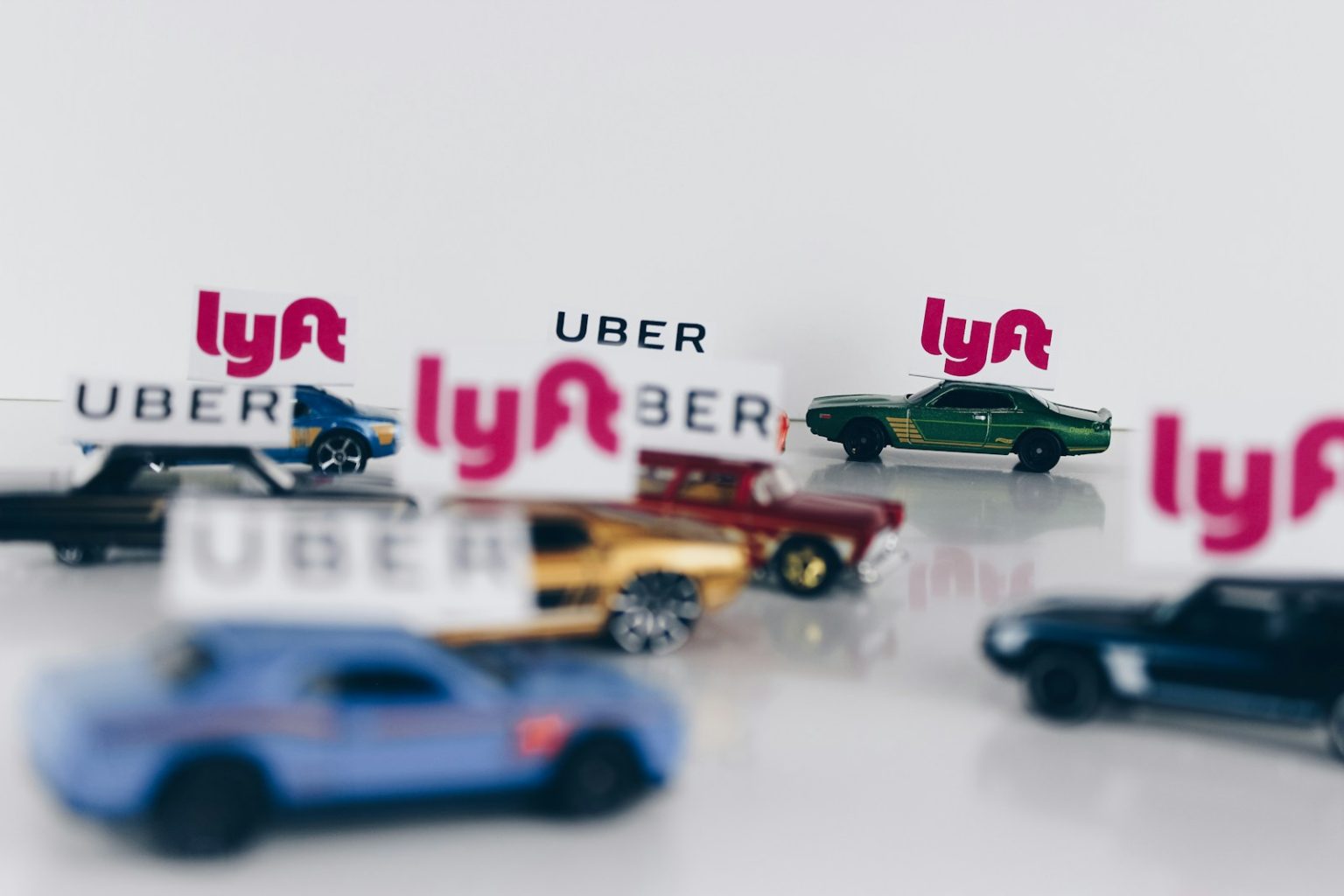
California rideshare drivers’ union rights take effect on May 1, when roughly 800,000 Uber, Lyft, DoorDash, and Instacart drivers gain the ability to hold formal organizing votes. Governor Gavin Newsom signed AB 1340 last October, making California the first state to grant collective bargaining rights to app-based independent contractors without reclassifying them as employees. We have watched gig worker protections advance at the city level for years. However, this is the first major state-level law to treat drivers as independent yet organized.
What AB 1340 Does
AB 1340, the Transportation Network Company Drivers Labor Relations Act, creates a framework for app-based drivers to unionize without abandoning their independent contractor status. According to Governor Newsom’s signing announcement, drivers can form or join a labor organization, elect bargaining representatives, and negotiate over pay standards, safety rules, deactivation policies, and platform algorithm practices. The law preserves Proposition 22, the 2020 ballot measure that locked in contractor classification for rideshare work.
Drivers become eligible to trigger a union vote on May 1, 2026, though the actual election timeline depends on petition filings and hearings. Unions must collect authorization cards from at least 10% of active drivers on a platform to trigger a vote. The Public Employment Relations Board will oversee elections and certify results. Approved unions will then negotiate with Uber, Lyft, DoorDash, and Instacart platform by platform.
Additionally, the law adds workplace safety protections and requires platforms to share aggregate earnings and deactivation data. Uber and Lyft initially opposed similar bills but eventually backed AB 1340 after striking a deal that limits their exposure on driver insurance costs.
What This Means for Self-Employed Professionals
For the 800,000 affected California drivers, the union question becomes urgent this spring. However, the ripple effect goes much further. AB 1340 is the first American law to treat independent contractors as organizable workers while leaving their classification unchanged. Therefore, other states are watching closely to see whether the model holds up in practice.
Self-employed professionals outside of rideshare should pay attention to three reasons. First, the law sets a template that could extend to freelance platforms, delivery apps, and creator marketplaces. Second, it tests whether worker-employer bargaining can work without employee reclassification, which has been the central fight in states like California and Massachusetts. Third, it puts platforms on notice that algorithmic management is now a bargaining topic.
Freelancers pushing for platform reforms in design, writing, or programming should study how AB 1340 structures voting, petition rules, and bargaining scope. For additional context on federal-level efforts, our coverage of the 21st Century Worker Act lays out the competing federal push.
What You Should Do Now
California rideshare drivers who want a say in May’s votes should prepare now. Self-employed workers in other states should study the model even if they never drive a single trip.
- Verify your driver status. Eligible drivers must have completed a minimum number of rides or deliveries in the prior 12 months. Check your platform dashboard for activity records.
- Learn the union options. SEIU and the Teamsters are both organizing California drivers. Compare dues, bargaining priorities, and local leadership before signing an authorization card.
- Understand what bargaining can and cannot do. The law allows negotiation over pay floors, safety, and deactivation, but it does not grant employee benefits like unemployment insurance.
- Track the Public Employment Relations Board timeline. The PERB publishes election notices, petition deadlines, and challenge windows. Bookmark the page and subscribe to updates.
- Document your earnings and working conditions. Good records help during bargaining and protect you if a dispute arises over platform data. Our guide to California’s paid leave program for self-employed workers covers additional protections that can be stacked with union coverage.
Drivers can remain fully independent, opt in to union membership, or take a wait-and-see approach. Consequently, individual strategy depends on how much collective bargaining a driver wants and how often they work on the platform.
Broader Context and What to Watch Next
AB 1340 arrives at the end of a long fight over gig worker classification in California. Assembly Bill 5 pushed drivers toward employee status in 2019. Proposition 22 reversed that outcome in 2020 and locked in contractor classification with limited benefits. Meanwhile, the California Supreme Court upheld Proposition 22 in 2024. AB 1340 is the legislature’s answer to the question of what comes next.
The state-level approach matters because federal action has stalled. The Department of Labor’s proposed independent contractor rule and Senator Mike Lee’s 21st Century Worker Act both take a different direction, favoring clearer contractor status without collective bargaining. Therefore, California’s experiment could become a reference point for blue states and a cautionary tale for red ones.
We will watch three signals throughout the summer. First, how many drivers sign authorization cards in the first 60 days? Second, whether Uber, Lyft, and DoorDash challenge the law in court or at the bargaining table. Third, whether other states like New York, Massachusetts, and Washington introduce copycat bills. For self-employed workers nationwide, AB 1340 may preview how platform work is regulated for the next decade.
Frequently Asked Questions
Do I lose my independent contractor status if I join a rideshare union?
No. AB 1340 explicitly preserves Proposition 22’s contractor classification. Drivers who join a union remain 1099 workers and do not gain standard W-2 benefits.
When can my platform’s first union vote actually happen?
The earliest a vote can take place is May 1, 2026. However, actual elections depend on petition signatures and on the Public Employment Relations Board’s scheduling. Most platforms will hold votes later in the spring or summer.
Does AB 1340 apply to freelance writers, designers, or other online gig workers?
Not yet. The law specifically covers rideshare and delivery drivers. However, labor advocates are pushing to expand the model to other app-based work, and similar bills may surface in California and other states over the next year.
Photo by Thought Catalog: Unsplash


