

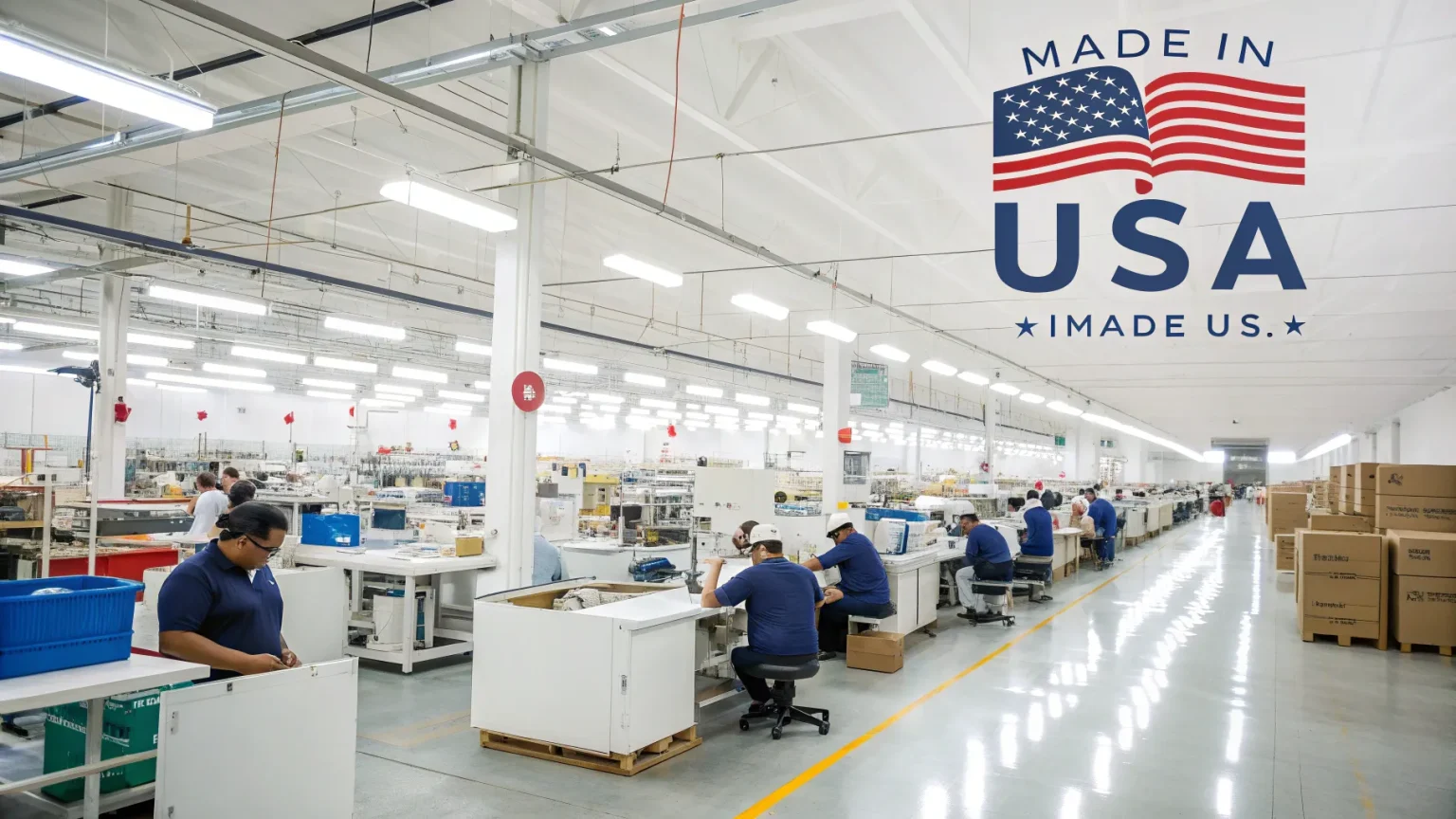
The Federal Trade Commission has designated July as Made in the USA month, signaling a fresh push on product labeling, enforcement, and consumer education. The initiative, highlighted by FOX Business reporter Lydia Hu, features Chairman Andrew Ferguson’s focus on safeguarding consumers and rewarding honest manufacturers.
The move arrives as brands lean on “Made in USA” labels to stand out and as some importers face scrutiny for misleading claims. The FTC says it plans to use the month to amplify rules it already enforces and to explain what qualifies as American-made.
What the FTC Announced
“July is ‘Made in the USA’ month,” FOX Business’ Lydia Hu reported, noting Chairman Andrew Ferguson’s goals for American-made products.
The announcement centers on two goals: consistent enforcement against deceptive origin claims and clearer guidance for businesses and shoppers. The FTC is encouraging companies to review their labels and ad claims. It is also urging consumers to check details and report suspected fraud.
Rules and History Behind the Label
The FTC’s “Made in USA” rule, finalized in 2021, bars deceptive claims on labels, advertising, and online listings. To claim a product is made in the United States, all or virtually all of the product must be made here, including significant processing and components.
The agency has brought multiple cases over the last few years. It has targeted apparel brands that relabeled imported goods and home goods companies that used American-themed marketing while relying on foreign-made parts. Some cases led to civil penalties and strict orders to fix labels and ads.
Consumer advocates say clear rules help shoppers make informed choices. Manufacturers that truly build in the U.S. also want a level playing field. Honest firms face higher costs and longer lead times, and they do not want to compete with false claims.
Ferguson’s Focus and Industry Response
Chairman Andrew Ferguson’s stated goals center on trust and transparency. He has emphasized fair competition for companies that invest in domestic production. He also wants shoppers to have confidence that an American flag or “USA” claim matches the product’s origin.
Industry groups are cautious but supportive. Many call for bright-line guidance on terms such as “Assembled in USA” or “Designed in USA,” which are not the same as “Made in USA.” Small businesses seek clear, low-cost compliance steps and predictable enforcement.
Some importers warn that strict rules could raise costs for consumers. They suggest flexible standards for goods with global supply chains. The FTC’s position remains that clear standards protect both consumers and honest firms.
How to Read Claims and Avoid Pitfalls
Not every patriotic label means the same thing. The FTC treats these claims differently:
- “Made in USA”: All or virtually all materials and processing are from the United States.
- “Assembled in USA”: Final assembly is in the United States and is substantial, but some parts may be imported.
- Qualified claims: Phrases like “Made in USA with imported parts” must be accurate and specific.
Experts advise checking packaging, company websites, and any disclosures. If details are vague, consumers can look for third-party certifications or ask the brand for documentation.
What This Means for the Economy
Analysts say the label has grown more important as companies reshore production of some goods. While many consumer products still rely on global parts, demand for clearly labeled American-made items has risen in home improvement, outdoor gear, and specialty foods.
Clearer rules can help manufacturers market domestic jobs and quality control. For consumers, accurate labeling can support local supply chains without confusion or inflated claims.
What to Watch This Month
The FTC plans more outreach and reminders to businesses in July. It may spotlight recent cases and publish guidance for marketers. Consumer groups will likely share tip sheets and encourage complaints when labels appear misleading.
For companies, this is a moment to review packaging, supplier attestations, and ad copy. For shoppers, it is a chance to learn how origin claims work and how to spot red flags.
The FTC’s Made in the USA month puts a bright light on truth in labeling at a time when trust matters. With Lydia Hu’s report marking the kickoff and Chairman Andrew Ferguson emphasizing goals for American-made products, the message is clear: say what you mean, prove what you say, and compete fairly. The coming weeks will show how businesses respond and whether enforcement actions rise as the agency sharpens its focus on origin claims.


