

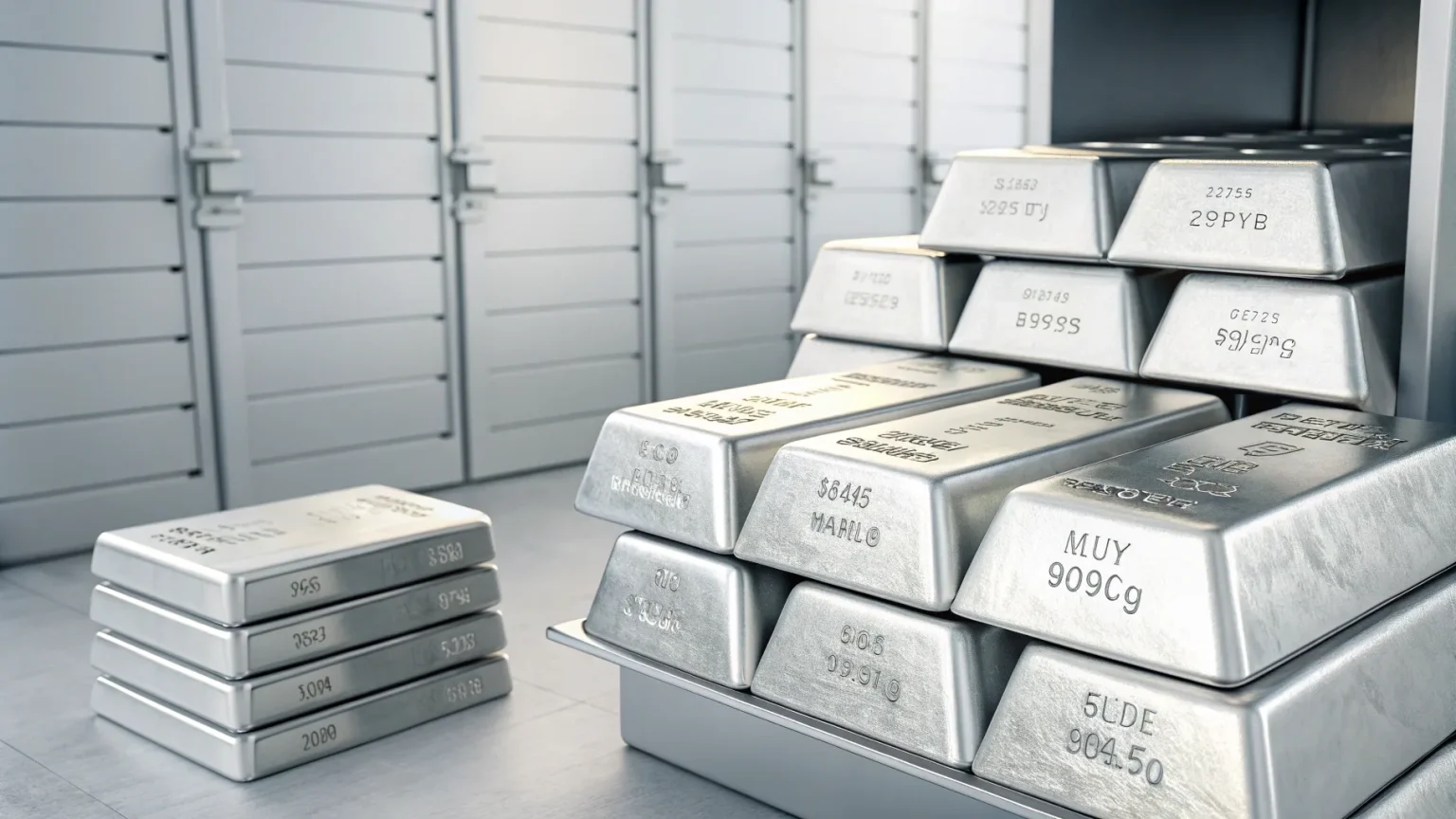
Silver prices surged in a flash rally that, by some comparisons, briefly eclipsed Nvidia’s market cap and the value of the entire crypto market. The burst of buying followed warnings about possible China export restrictions, stoking fears of supply strains and triggering a scramble for the metal. For anyone working on a silver price prediction, the episode is a reminder of how quickly a single headline can move a market that sits at the crossroads of safe-haven demand and industrial use.
I have written about commodity cycles for years, mostly through the lens of self-employed investors who want to hedge their cash flow. Silver is one of the most divisive trades in that audience. Some treat it as a long-term store of value. Others see it as a speculative trap. The truth, as usual, lives in the middle.
Why silver drew a stampede this time
Silver’s appeal spans safe-haven interest and heavy industrial use. The metal is vital in solar panels, electronics, and electric vehicles. Any hint of supply risk can lift prices fast. The recent warning about potential export limits from China, a major player in manufacturing supply chains, hit a nerve with investors who watch metals for early signs of disruption.
The rush reflected fears of tighter availability and rising costs for industries already facing component delays. For investors, silver also provides a hedge during market stress. That dual role can magnify moves when headlines point to geopolitical or trade threats.
How to read any silver price prediction critically
Market participants drew bold comparisons to explain the scale of the recent spike. Some trackers suggested the surge, on a notional basis, briefly matched or topped Nvidia’s valuation and the combined crypto market. The snapshots were short-lived and based on fast-moving prices and flows.
That is exactly the kind of framing that should make a self-employed investor pause. A silver price prediction is only as good as the assumptions behind it. Before you act on one, ask three questions:
- What time horizon is the prediction for, six weeks or six years?
- Does the model account for industrial demand, monetary demand, or only one?
- Has the same source previously been right, wrong, or vague enough to claim either?
Such bursts can ease as liquidity returns and arbitrage restores balance. But they leave a mark, signaling how quickly capital can rotate when supply concerns rise.
Context: a history of sharp silver moves
Silver has a record of outsized rallies during periods of inflation worry, currency shifts, or trade anxiety. It often trades with higher volatility than gold because industrial demand swings with the business cycle. The latest spark came from fears tied to China’s export stance, a reminder of how vulnerable supply chains remain.
In recent years, retail investors have also shown they can move the market. Social-media calls for physical buying have, at times, strained coin and bar inventories, widening premiums over spot prices. That dynamic may have amplified the latest run. The U.S. U.S. Mint publishes specifications and pricing schedules that retail buyers can compare to dealer markups.
Winners, losers, and what it means for self-employed investors
Manufacturers that rely on silver could face higher input costs if prices stay elevated. Solar producers and electronics firms may need to hedge more or adjust procurement. Miners stand to benefit, though higher prices can take time to feed through to production.
For self-employed investors, the practical question is allocation, not prediction. After helping freelancers and consultants stress-test their portfolios, I tend to suggest that any precious-metals position stay in the single-digit percentages of net worth, with a clear holding plan. That keeps you from chasing rallies and gives you a hedge without betting the business.
If you are still building the cash buffer that should sit in front of any speculative position, our self-employed bookkeeping guide walks through the cash flow setup that makes hedging possible in the first place.
What to watch next for the silver market
Traders will look for clarity on any policy steps in China that could affect metals flows. They will also watch industrial demand, refinery output, and inventory data to judge whether the rally has legs. If supply concerns ease, prices could retrace. If they harden, the squeeze could extend.
Central bank signals on rates and inflation matter too. A softer dollar can support metals. Tighter policy can cool speculative bursts. The U.S. Federal Reserve’s monetary policy page is a useful primary source on rate decisions that move silver indirectly through the dollar.
How to act on a silver price prediction without overreacting
The mistake I see most often is letting a single headline change a long-term plan. A silver price prediction that sounds confident is not a license to abandon your asset allocation. If you already had a target weight for precious metals, a sharp rally is a chance to rebalance, not to double down.
For self-employed investors specifically, I usually recommend separating your business reserve, your tax reserve, and your investment portfolio into three different accounts. Speculation only happens with the third bucket, and only after the first two are full. Our essential forms guide covers what you owe each quarter so the tax reserve does not get raided. And if you want broader income ideas to fund that investment bucket, our self-employment ideas guide is a useful starting point.
Frequently asked questions
What is the best silver price prediction approach?
Combine a fundamental view of industrial demand with a monetary view of inflation, rates, and the dollar. No single approach is reliable on its own, and short-horizon predictions are usually the least useful for long-term investors.
Why did silver prices spike so suddenly?
A high-profile warning about possible China export restrictions raised concerns about supply, triggering a rush by traders and retail investors. The mix of industrial and safe-haven demand can amplify silver moves when supply headlines hit.
Is silver a good hedge against inflation?
Silver has historically rallied during periods of inflation worry, but it is more volatile than gold because of its industrial use. It can be part of an inflation hedge, but it should not be the only hedge in a portfolio.
How much silver should a self-employed investor own?
A common rule of thumb is to keep total precious-metals exposure in the single-digit percentages of net worth. The exact figure depends on your overall risk tolerance and how concentrated your business income already is.
Should I buy physical silver or silver ETFs?
Physical silver gives you direct ownership but adds storage, insurance, and dealer markup costs. Silver ETFs are easier and cheaper to trade but introduce counterparty and structural risks. Many investors hold a mix.
What is the biggest mistake to avoid during a silver rally?
Letting a single headline change your long-term plan. If you had no allocation to silver before the rally, a spike is usually the worst time to start one. Stick to your pre-set targets and rebalance discipline.
Photo by Zlaťáky.cz on Pexels


