

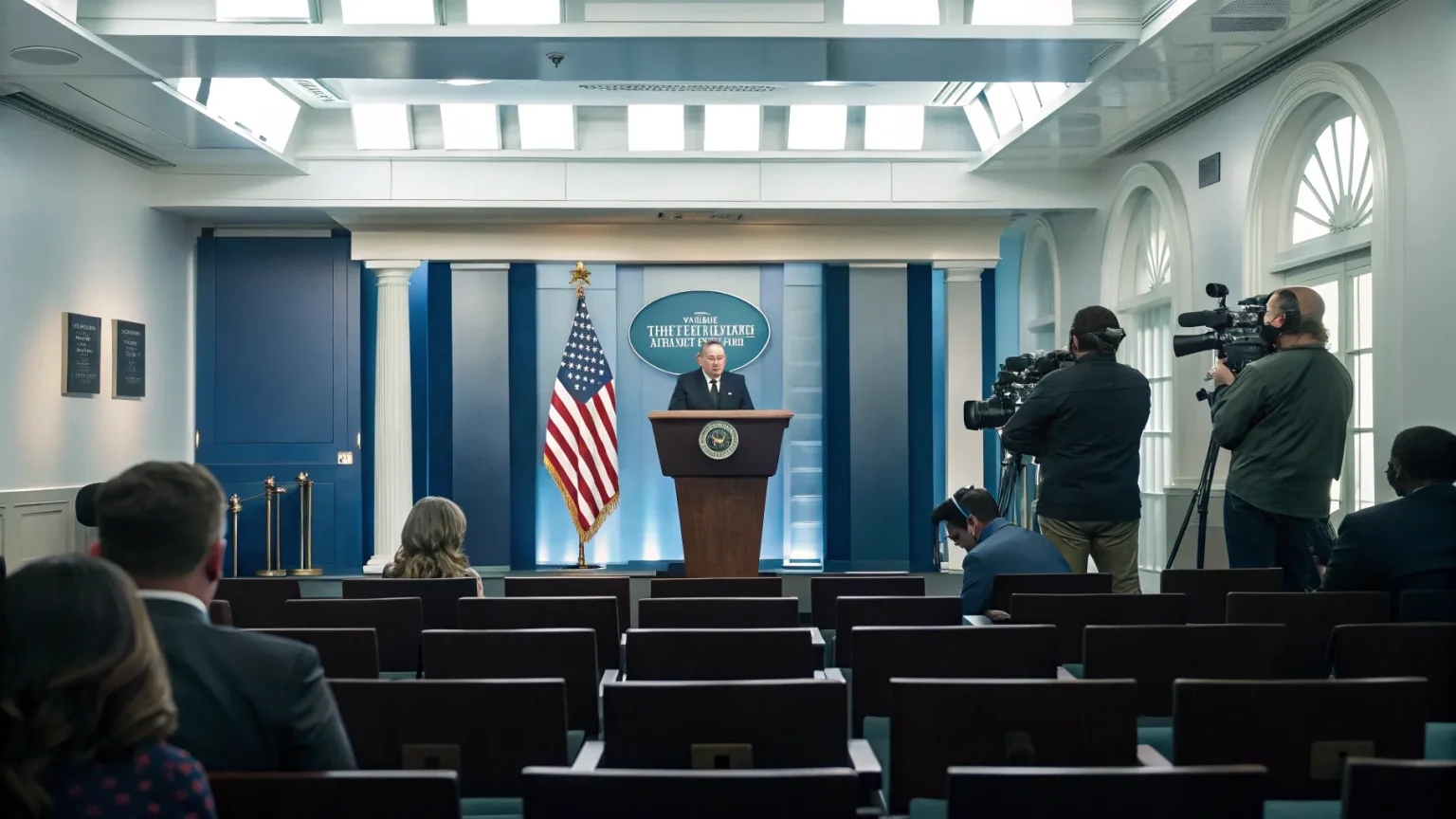
The Trump administration has imposed travel bans on experts who monitor major tech platforms, citing concerns over “foreign censorship.” The move targets researchers and auditors who track how social networks police speech, misinformation, and online harms. Announced in Washington, the decision raises immediate questions about its scope, legal footing, and impact on public-interest research.
Officials framed the step as a response to external pressures on U.S. companies. Critics say it could restrict oversight of platforms that serve billions of users. The timing and criteria for the bans were not immediately clear, heightening uncertainty for academics, nonprofit investigators, and industry consultants who rely on cross-border collaboration.
What the Administration Said
“Foreign censorship.”
That phrase was given as the central justification for blocking travel by experts tied to platform monitoring. The administration argues that foreign actors influence how U.S. tech companies enforce content rules and that travel restrictions will counter such pressure. Questions remain about which experts are affected, how “involvement” is defined, and whether the policy distinguishes between independent researchers and those working for foreign governments.
Why Platform Monitoring Matters
Platform monitoring includes tracking misinformation, election integrity, harassment, child safety, and consumer fraud. Independent researchers often test recommendation systems, study bot networks, and assess the enforcement of company policies. Their work informs lawmakers, regulators, journalists, and the public.
Such research usually depends on international conferences, fieldwork, and access to data-sharing partnerships. Travel limits could interrupt joint studies, stall publication timelines, and weaken transparency initiatives. Civil society groups warn that reduced oversight may leave users more exposed to scams and harmful content.
Legal and Policy Questions
Travel bans have generally been used for national security, human rights abuses, or sanctions enforcement. Applying them to researchers connected to content oversight is unusual. Legal analysts point to potential conflicts with academic freedom and may see First Amendment implications if the policy punishes research-related speech or association.
Procedural clarity will be crucial. Without published criteria, organizations cannot verify whether staff are affected or challenge decisions. Universities and think tanks may pause hiring or travel planning for research fellows, while conference organizers could move meetings or pivot to virtual formats.
Industry and Civil Society Impact
Large platforms face mounting scrutiny from lawmakers of both parties. Many companies have opened portals for researchers, granted data access, and published enforcement reports. If outside experts face barriers to travel, those transparency efforts could slow. Companies may struggle to validate safety improvements or respond to independent audits.
Advocates for online safety argue that oversight supports better product design and faster response to harmful content. Free expression groups counter that government involvement in the research sphere can chill debate and distort findings. Both camps agree that clarity on scope and due process is needed.
Global Stakes
The online information space is international. Research groups often span multiple countries, sharing methods and datasets. A unilateral travel limit from Washington could prompt reciprocal steps abroad. That would fragment the research community and complicate cross-border enforcement against organized spam, financial fraud, and coordinated influence campaigns.
- Will the bans apply to academic visitors and conference speakers?
- How will “monitoring” be defined and verified?
- Is there an appeal process for those wrongly flagged?
- What exemptions exist for public-interest work?
What Comes Next
Universities, nonprofits, and professional associations are seeking guidance. Some are preparing contingency plans such as remote participation and distributed research hubs. Tech firms may expand in-house transparency programs to fill gaps if international audits stall.
Lawmakers could request briefings and press for public criteria. Courts may be asked to review the policy if affected experts challenge denials. Meanwhile, users will see little immediate change on their feeds, but the checks and balances behind those feeds may weaken.
The administration’s reference to “foreign censorship” signals a broader battle over who steers platform rules. The new bans inject uncertainty into a field that depends on openness and peer review. The key markers to watch are the publication of clear standards, the establishment of appeals, and whether reciprocal controls emerge abroad. The outcome will shape how much independent scrutiny the largest platforms face in the months ahead.


