

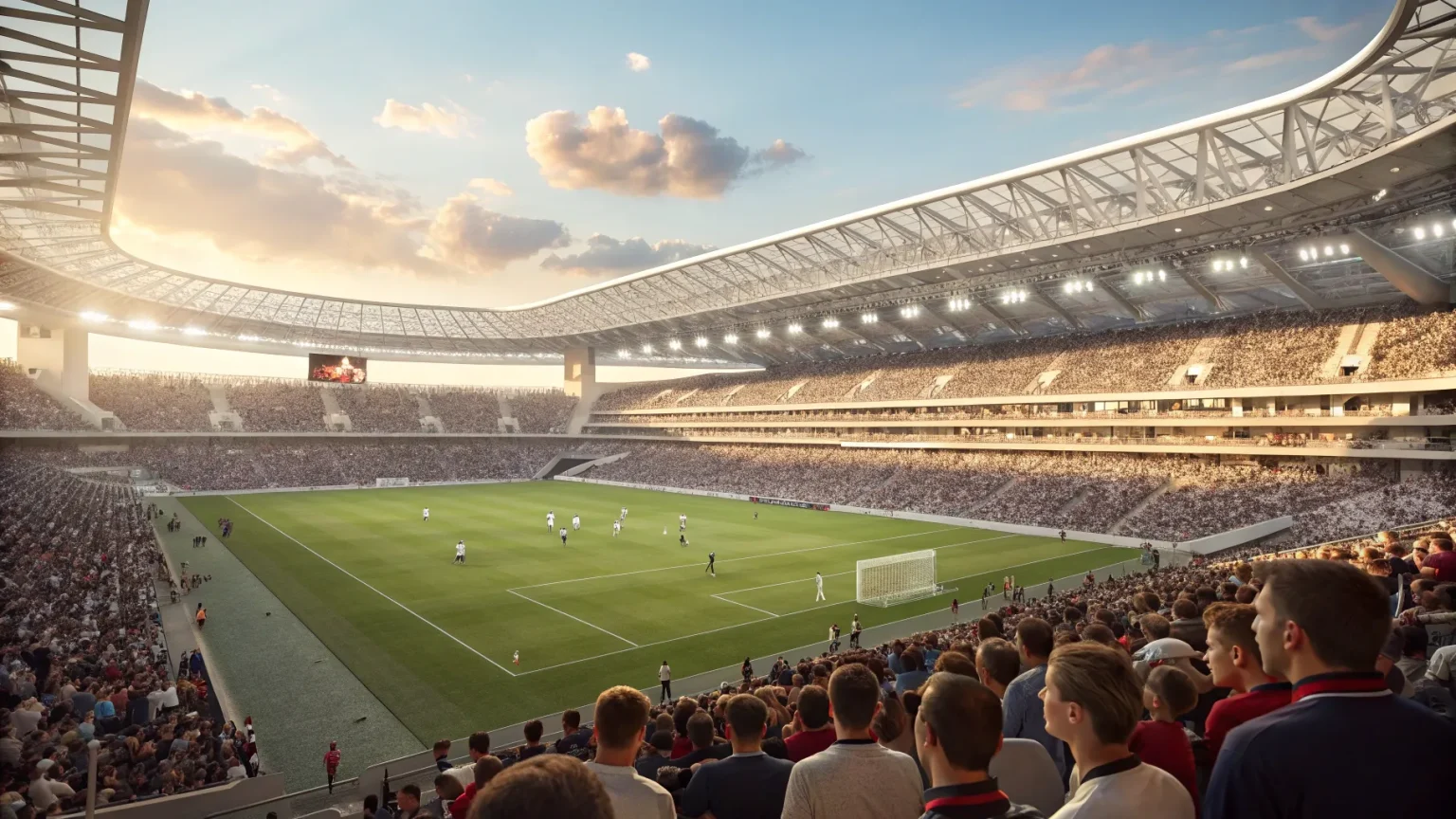
FIFA will stage a larger World Cup next summer across the United States, Canada, and Mexico, expanding the field to 48 national teams. The tournament is set for June 2026 and will move from the traditional 32-team format. The change reshapes qualification, scheduling, and logistics for the first tri-nation World Cup.
“FIFA expanded next year’s World Cup tournament—set to take place in June in the US, Canada, and Mexico—from the usual 32 nations to 48.”
The decision follows years of debate since the expansion was approved in 2017 and refined in 2023. FIFA has adopted 12 groups of four teams, rather than the earlier plan of 16 groups of three. That format brings the schedule to 104 matches, up from 64. The shift aims to bring in more regions, while maintaining group-stage fairness.
Format and Schedule
The 48 teams will be split into 12 groups of four. The top two teams from each group, plus the eight best third-placed teams, advance to a new 32-team knockout round. That creates an extra playoff stage before the traditional round of 16 would have begun.
Tournament organizers say the switch keeps the final group matches concurrent, reducing incentives for cautious play. The calendar stretches slightly to manage the added games. Host cities across the three countries will share the load, with stadiums adapted for FIFA standards.
Qualification Overhaul and Regional Impact
The expansion increases access across every confederation. Europe will send more teams. Africa and Asia gain additional direct slots. Oceania is guaranteed a place for the first time. North and South America also see added paths, alongside intercontinental playoffs for the final berths.
For CONCACAF, the three co-hosts are expected to qualify automatically. That provides room for more regional teams to reach the finals. Coaches in Africa and Asia have welcomed the extra places as a boost for development. South American executives have raised concerns about player workload, though they support wider participation.
Logistics and Fan Experience
Sharing the event across three countries reduces strain on any single host. It also raises travel questions for teams and supporters. Organizers plan regional clusters for group matches to limit long flights. Broadcast schedules will serve multiple time zones. Ticketing and security will involve national and local agencies coordinating across borders.
- More venues spread travel and tourism benefits.
- Staggered kickoffs suit global audiences.
- Team bases aim to cut travel fatigue.
Commercial Stakes and Player Welfare
FIFA projects higher revenue from media rights, sponsorships, and tickets due to the larger field and added matches. Broadcasters gain inventory, while sponsors reach more markets. Club executives and player unions warn about seasonal congestion. The longer tournament and expanded qualifiers press the calendar further.
Medical staff say heat and travel must be managed with strict rest and recovery plans. Tournament officials have signaled more rest days in the schedule. Squad size and substitution rules will remain under review as the event nears.
Competitive Balance and Sporting Questions
Supporters of expansion argue that more nations will gain top-level experience, which can raise standards over time. Critics worry about uneven group strength and potential mismatches. The 12×4 format is designed to reduce dead rubbers and maintain tension through the final group round.
There are tactical impacts as well. Coaches may rotate more in the group stage to keep players fresh for a longer knockout path. Data analysts expect set pieces and fitness to play larger roles late in the tournament.
What to Watch Next
Key milestones include the final match schedule across host cities, confirmation of team base camps, and the completion of qualifiers. Travel plans and broadcast windows will shape the fan experience. Security coordination and stadium readiness will also be under close review.
The expansion will define the look and feel of the 2026 event. It offers more teams a stage and more fans a chance to attend. The trade-offs include a longer competition and a heavier workload. How organizers balance those pressures will guide the success of world football’s largest tournament yet.


