

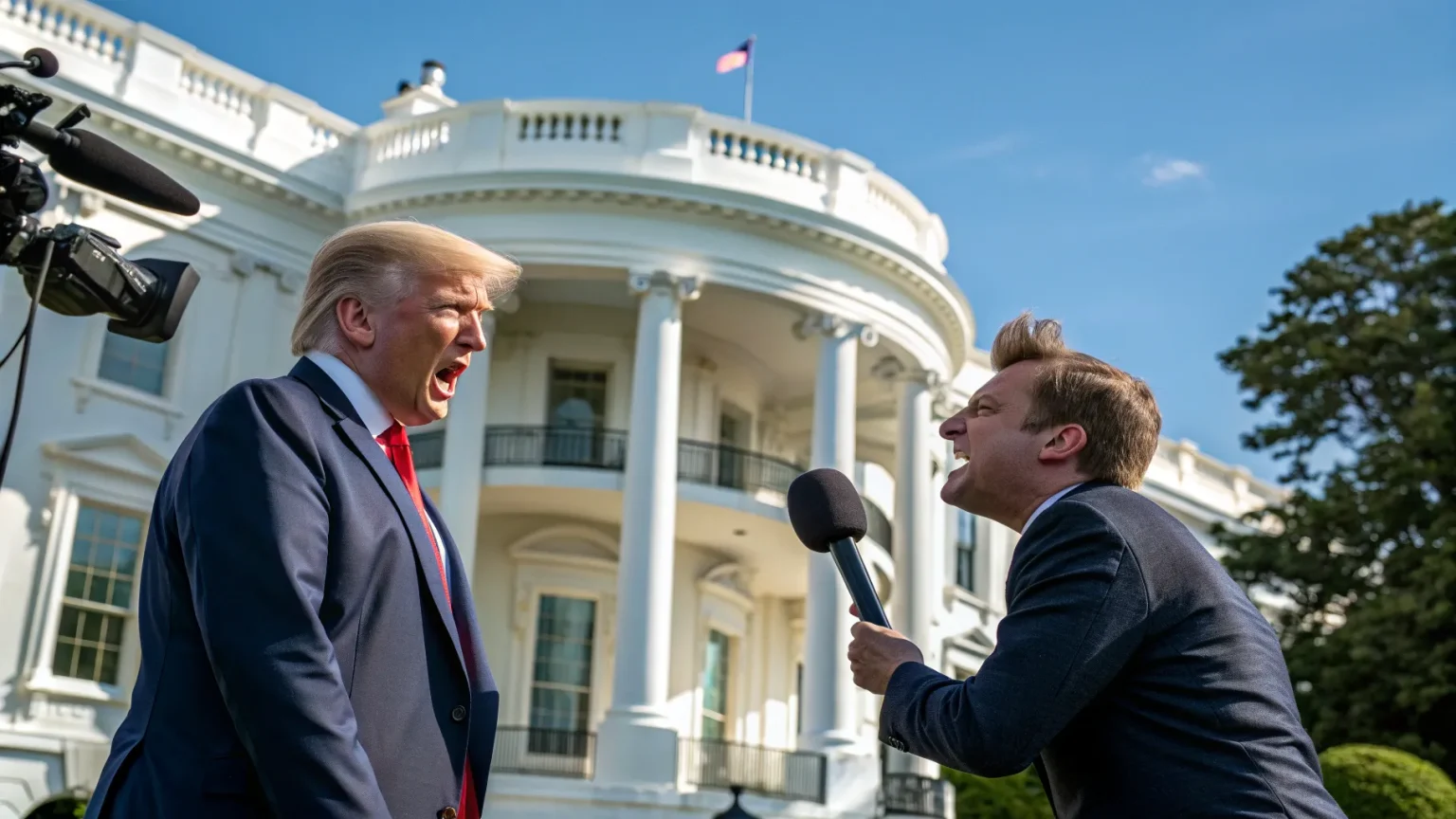
President Donald Trump sparred with an ABC journalist at the White House after repeated questions about promised footage of a Venezuela boat strike. The heated exchange came five days after Trump said he would release the full video. He now denies ever making that pledge and accused the press of spreading falsehoods. The clash adds fresh strain to already tense relations between the president and major news outlets.
What Happened at the Briefing
The briefing turned tense when the ABC reporter pressed Trump on his earlier promise to share the footage. The president pushed back and attacked the reporter’s credibility.
“Noxious, terrible reporter.”
He also rejected the premise of the question and challenged coverage.
“ABC fake news.”
The exchange centered on his earlier statement that there would be “no problem” releasing the video. When asked why the footage had not been made public, Trump replied that he never said he would release it.
A Shifting Message on Video Release
Five days ago, the president signaled openness to publishing the footage. The latest denial marks a sharp shift in tone. The White House did not offer a timetable or criteria for disclosure. That leaves unanswered questions about what the video shows and why it remains withheld.
Confusion over the pledge has fueled debate about transparency and the handling of sensitive military material. Presidents often weigh public interest against security risks when deciding whether to release operational videos.
Context and Tensions With the Press
Trump’s strained relationship with major networks has defined many briefings. He has often accused reporters of bias and challenged their questions. The latest confrontation followed a familiar pattern: a pointed inquiry, a rejection of the premise, and direct criticism of the outlet.
Press advocates say tough questioning is a core function of accountability. Supporters of the president argue that sensitive footage should not be released without careful review.
Why the Video Matters
The reported footage relates to a strike on a boat near Venezuela. Such videos can clarify timelines, targets, and decision-making. They can also inform public debate and congressional oversight. But releasing them can expose tactics, locations, or partners.
- Public interest: clarifying what happened and why.
- Security risk: revealing methods or intelligence.
- Diplomatic impact: shaping ties with regional governments.
Competing Claims and Public Trust
The disagreement hinges on whether a pledge was made and what that pledge meant. Trump said he never promised release, despite earlier remarks about having “no problem” sharing the video. The clash now turns on interpretation and recordkeeping.
“No problem” making the footage public.
Now: “Never said it.”
Media experts note that shifting statements can cloud public understanding. They also warn that personal attacks on reporters can distract from the facts at issue.
What to Watch Next
Key questions remain. Will the administration set clear criteria for release? Will Congress request a briefing or classified review? Will any still images or redacted clips be shared?
The administration could seek a middle path by releasing partial or edited material, citing security concerns. Critics would likely press for full context. Supporters may argue that caution is warranted.
For now, the dispute reflects a larger struggle over information, accountability, and the limits of disclosure during sensitive operations. The outcome will shape public trust as the story unfolds.
In the end, the clash was about more than one video. It was about the right to ask hard questions and the responsibility to provide clear answers. Whether the footage appears or remains sealed, both the press and the public will be watching the follow-through.


