

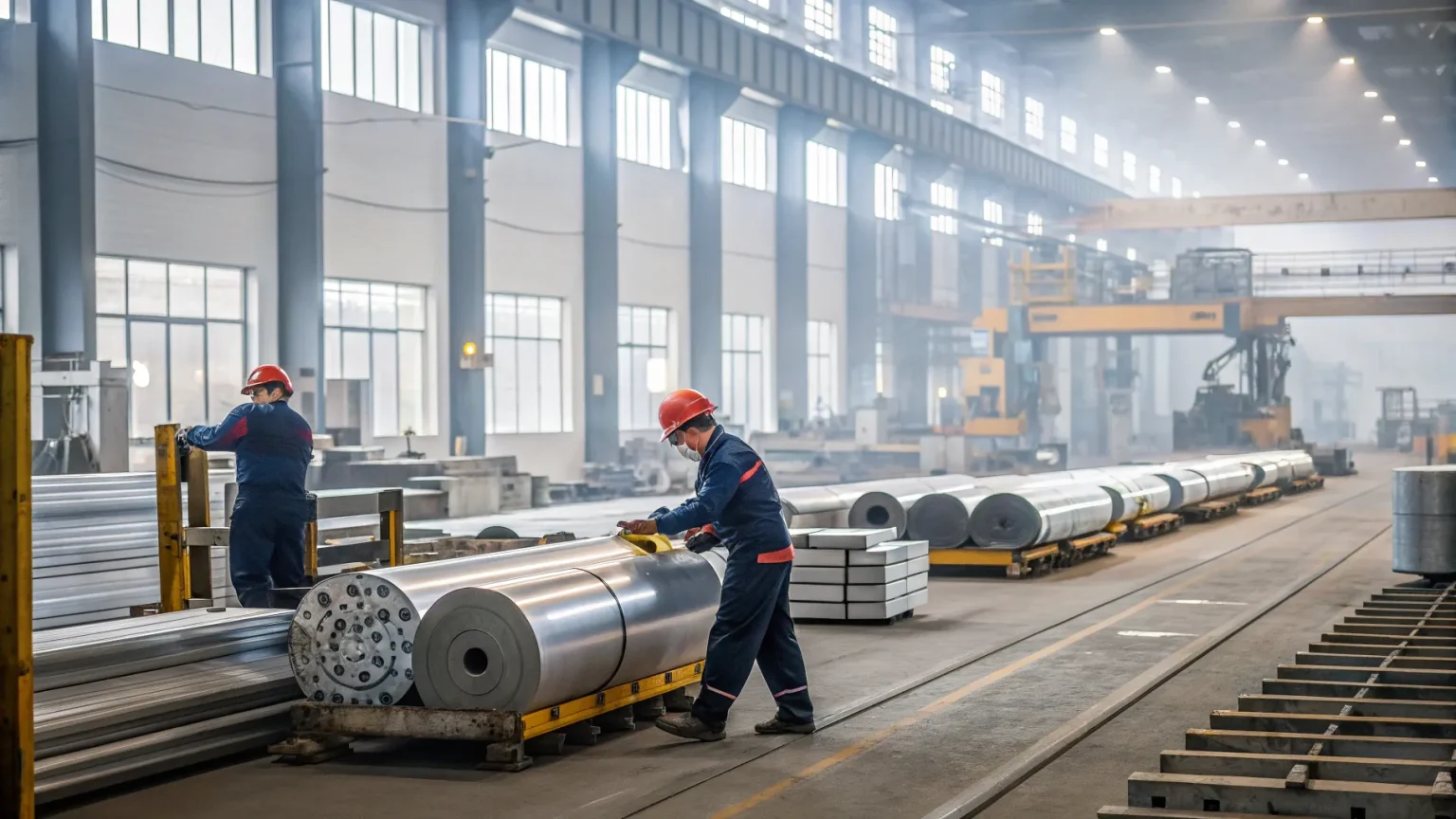
As tariffs and countermeasures hit the global aluminum market, one Canadian hub is bucking the trend. In Saguenay, Quebec, unemployment remains low and mills are busy. Local producers say orders are steady, even as trade tensions test supply chains and prices.
The story is a study in contrasts. Policymakers debate quotas and duties. Meanwhile, workers in Saguenay report overtime and new hiring. The region’s long ties to hydro-powered smelting and modern upgrades are helping it stay competitive.
Background: Tariffs Meet a Local Advantage
Aluminum has been a pressure point in the trade dispute since the United States introduced duties on imports under national security rules in 2018. Canada responded with its own measures. Rates shifted in the years that followed as talks rose and fell. Periods of relief alternated with new restrictions.
Such policy swings usually raise costs and unsettle buyers. The metal’s price can react quickly to trade headlines. Producers often pass on higher costs, which can squeeze manufacturers in autos, construction, and packaging.
Saguenay’s situation is different for several reasons. Hydroelectric power provides relatively low-cost, low-carbon energy. That supports smelters that need steady, clean electricity. The region has also seen investments in plant efficiency and emissions control. These factors help offset tariff pressure by keeping unit costs in check.
On the Ground: Confidence Amid Headwinds
The aluminum trade is on the front lines of the trade war, but in Saguenay, Que., unemployment is low and industry is thriving.
Local producers cite firm demand from automakers and building projects. Lightweight alloys are a key input in electric vehicles and trucks. Construction firms continue to use aluminum for doors, windows, and cladding. Export orders from the United States remain the backbone of sales.
Workers report a tight job market across the region. Skilled trades are in demand. Training programs with local colleges are busy filling roles in maintenance, automation, and environmental controls.
Small businesses near the plants say they benefit from steady traffic. Machine shops, logistics firms, and service providers report stable contracts. Housing markets in nearby towns are active, helped by steady income from plant workers.
Industry Dynamics: Low-Carbon Metal Finds Buyers
Many global buyers are seeking lower-carbon materials to meet climate goals. Aluminum made with hydropower has a smaller footprint than metal smelted with coal. That gives Quebec producers an edge in tenders that weigh emissions alongside price.
Analysts say the shift to electric vehicles should support demand over the next decade. More battery enclosures, body panels, and structural parts are switching to aluminum. Packaging and recycling trends also favor the metal due to its reuse rate and value as scrap.
- Automakers seek lighter frames to extend vehicle range.
- Builders use aluminum for corrosion resistance and design flexibility.
- Recyclers recapture value, lowering lifecycle emissions.
Risks: Policy Whiplash and Supply Strains
Despite local strength, risks remain. A new round of tariffs could drive up costs and trigger more volatility. Buyers may delay orders if they expect price swings. Logistics strains can also affect deliveries, especially for specialized alloys.
Electricity prices and long-term power contracts are another watch point. Hydropower keeps costs low today, but future rate changes could affect margins. Labor supply is tight, which can slow expansions or push up wages.
Producers also face scrutiny on sourcing. Bans or penalties on metal linked to forced labor or high emissions could reshape trade routes. Compliance systems add cost but may help trusted suppliers win business.
What Comes Next
Local leaders expect investment to continue if demand holds. Upgrades to automation and casting lines are underway across North America. Saguenay plants are positioned to compete for this work thanks to energy and workforce advantages. Cross-border negotiations will be key to stability. Clear, predictable rules would help buyers plan and keep orders flowing.
For now, the region’s formula appears to work. Clean power, skilled labor, and steady demand are offsetting trade friction. The experience offers a snapshot of how a targeted sector can thrive under pressure, given the right mix of assets and policy.
The coming year will test that balance. Watch for decisions on tariffs, EV demand, and power contracts. If those break favorably, Saguenay’s aluminum economy could extend its lead even as the trade fight continues.


