

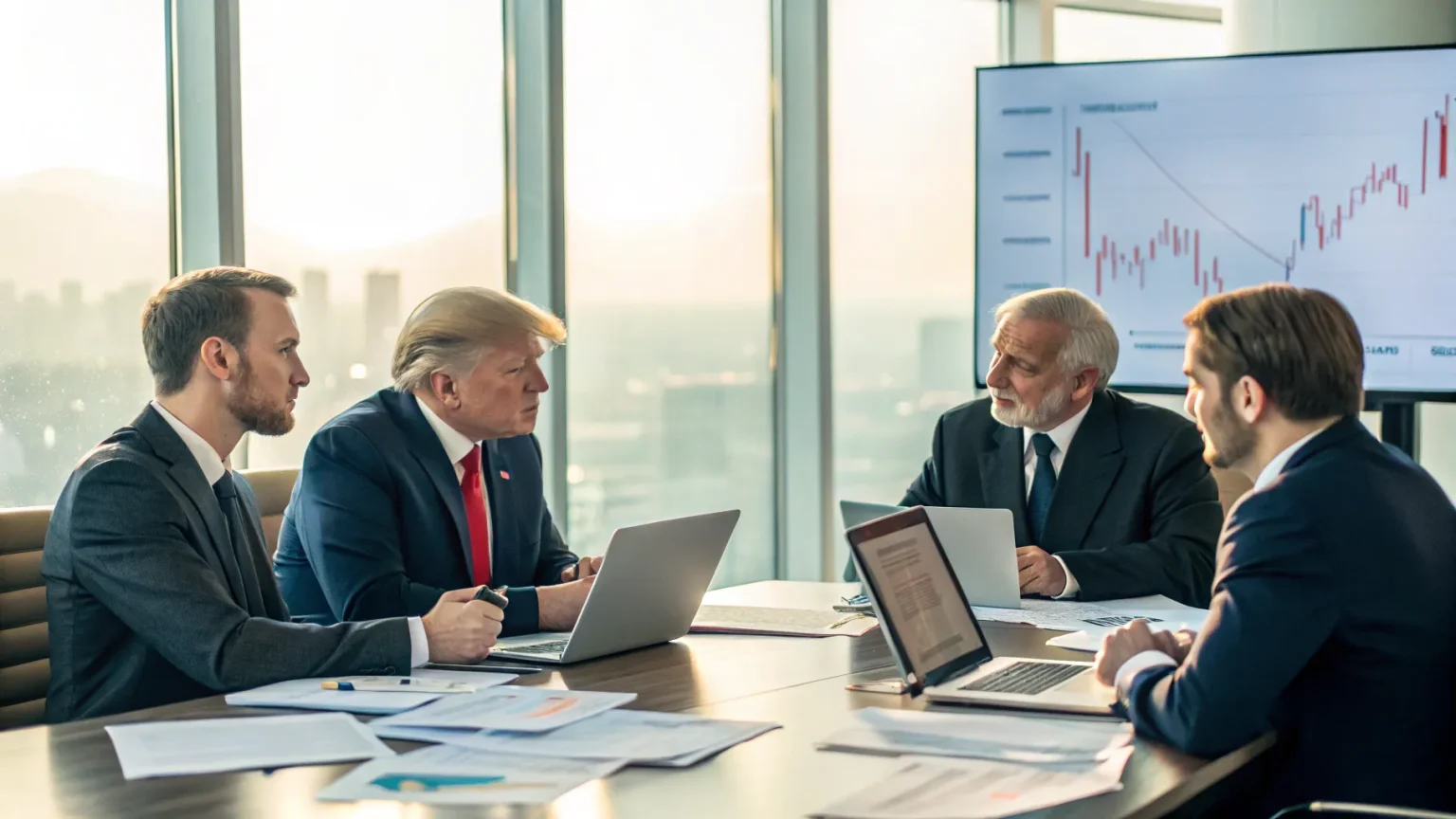
In a recent Fox Business interview, “The Fixer” host Marcus Lemonis outlined how executives are handling President Donald Trump’s tariffs and offered a practical “three-piece strategy” for companies. Speaking on Maria Bartiromo’s Wall Street, he described how leaders are responding to rising costs and shifting supply chains while trying to calm investors and customers.
The discussion comes as firms face higher prices for imported inputs and retaliatory measures from trade partners. Manufacturers, retailers, and agriculture producers are recalculating budgets and timelines. Many are weighing whether to pass costs to consumers, seek new suppliers, or delay investments.
Background: Tariffs and Business Pressures
The Trump administration imposed tariffs on steel and aluminum and later on a wide set of goods from key trading partners, including China. Those actions triggered countermeasures and introduced new risks into planning cycles. Companies that rely on global sourcing felt the effects first, but ripple effects reached logistics, construction, and consumer goods.
Executives have been balancing short-term cash flow with long-term strategy. Some firms accelerated orders ahead of tariff deadlines. Others renegotiated contracts or shifted production. Currency moves and freight costs added another layer of complexity.
What Lemonis Told Executives
Lemonis, known for diagnosing operational issues on television, focused on practical steps. He emphasized that leaders must be clear-eyed about exposure and act fast to protect margins while maintaining trust with workers and customers.
Lemonis called for a “three-piece strategy” for companies contending with tariffs.
Based on his guidance, executives are concentrating on three areas:
- Measure exposure: map tariff-hit inputs, contracts, and customer segments at risk.
- Adjust operations: seek alternate suppliers, rethink pricing, and cut nonessential costs.
- Communicate: explain changes to employees, investors, and customers to avoid surprises.
He argued that acting early gives companies more options. Waiting, he suggested, narrows choices as costs compound and customers move on.
How Companies Are Responding
Manufacturers with heavy metal inputs report higher unit costs and tighter delivery schedules. Some are sourcing from domestic mills, while others are shifting to countries not covered by the duties. Retailers face decisions on pricing. Passing through costs can depress sales, but absorbing them can crush margins during the holiday period.
Small and mid-size firms have fewer levers than multinationals. They often lack backup suppliers and bargaining power. For them, Lemonis’s focus on cost control and candid communication is resonating. “The Fixer” host highlighted that teams handle uncertainty better when leaders share clear plans.
Investor and Labor Impacts
Investors are watching guidance cuts and inventory levels. Some firms pulled forward purchases to avoid tariffs, inflating stock levels and tying up cash. Analysts say that could hit earnings if demand softens. Workers face schedule shifts as orders fluctuate. In sectors with thin margins, overtime and temporary labor are often the first areas reduced.
Lemonis’s message stressed stability where possible. He urged managers to protect core staff and key suppliers to avoid long-term damage. Short-term savings, he warned, can backfire if they weaken capacity when demand returns.
What to Watch Next
Executives are monitoring trade talks, exemptions, and enforcement actions. Any change in tariff levels, product lists, or timelines can alter plans overnight. Companies are also testing digital tools to map supply chains and forecast price moves, seeking faster reads on risk.
Case studies from consumer electronics and home goods show mixed results. Firms that diversified suppliers early report smoother operations. Those that waited faced stockouts or steep discounts to clear mismatched inventory.
Lemonis’s appearance offered a simple frame for a complex set of decisions. His “three-piece strategy” gives leaders a checklist to stabilize operations and communicate with confidence. The near term will likely bring more price swings and procurement shifts. The longer term depends on how trade policies evolve. For now, companies that measure exposure, adjust operations, and keep stakeholders informed appear better positioned for the next move in tariffs and trade.


