

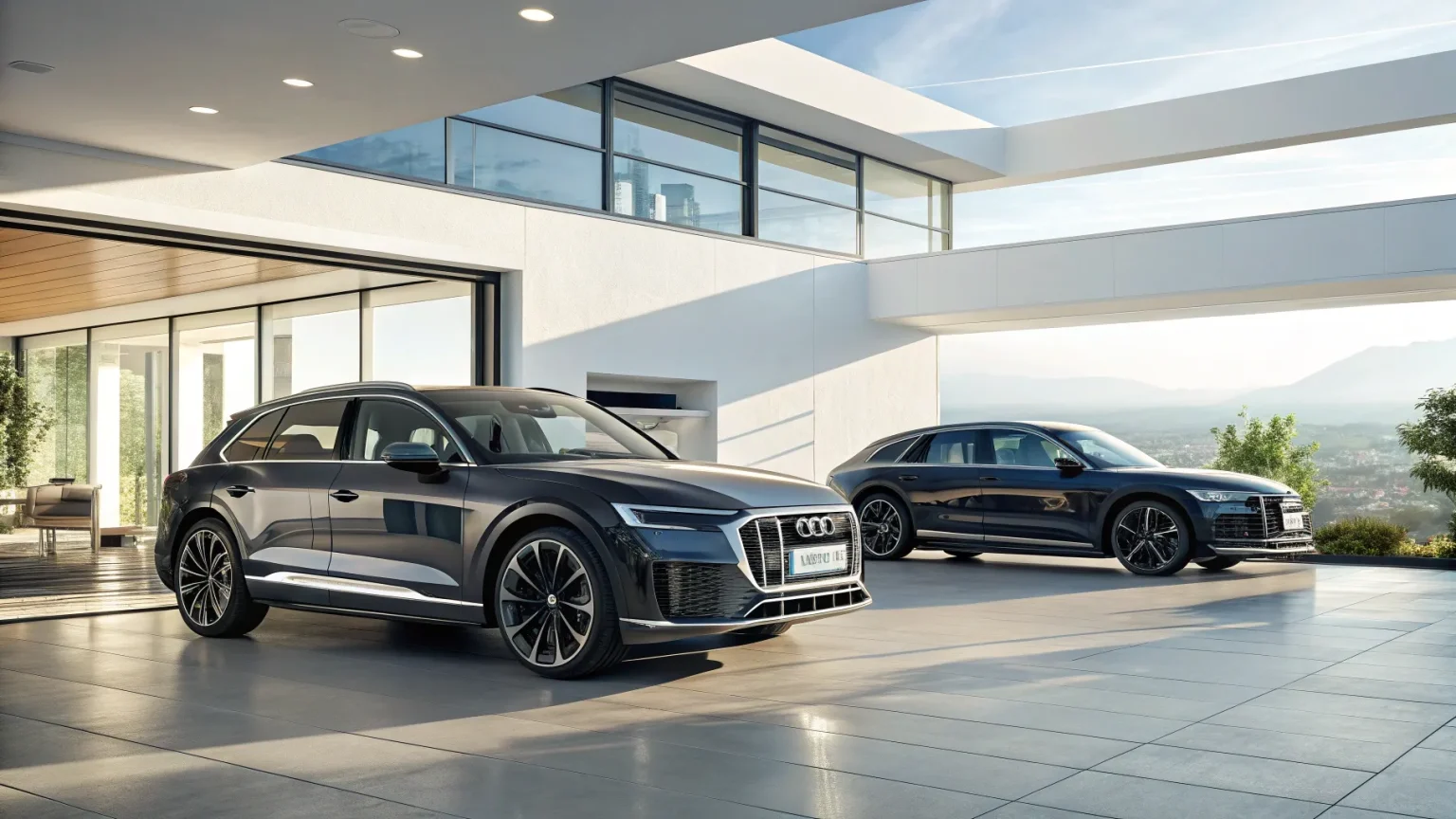
Automakers betting on six-figure electric cars face a decisive moment in 2026, when tougher rules, tighter money, and maturing technology collide. Luxury brands in the United States, Europe, and China will need to prove they can turn interest into profitable sales at scale. If they cannot, the most extravagant models may be trimmed, delayed, or quietly retired.
The core story centers on whether high-end electric sedans and SUVs can win affluent buyers while meeting stricter emissions targets and cost pressures. That timeline lines up with new regulations, wider charging access, and a crowded slate of launches planned for the mid-decade.
Policy Deadlines Tighten the Screws
Rules set years ago start to bite in the middle of the decade. In Europe, fleet average CO2 limits tighten further after 2025, forcing premium brands to sell more zero-emission models to avoid penalties. In the United States, the Environmental Protection Agency’s tougher standards phase in from the 2027 model year, pushing planning and investment decisions in 2025 and 2026.
Tax-credit rules are also shaping the market. U.S. incentives still exclude many luxury EVs due to price caps, while sourcing rules for battery materials keep getting stricter. That pressures carmakers to localize supply chains or accept that many buyers at the top end will purchase without a rebate.
China remains a wild card. Domestic luxury players are advancing quickly, while tariffs and trade actions in the U.S. and Europe could reshape where premium EVs are built and sold by 2026.
Cash Burn Meets Capital Discipline
High-end EVs carry heavy costs for batteries, software, and materials. Several startups focused on premium segments spent the past two years cutting staff, slowing spending, or raising fresh capital. By 2026, investors will expect clearer paths to positive margins. Traditional luxury brands face the same test, only with more tools to manage it.
Interest rates have made premium car loans and leases more expensive. That matters even for wealthy buyers, as monthly costs influence purchase timing. If rates ease, demand could firm up. If they stay elevated, automakers may need deeper incentives that hurt profits.
Charging Experience Could Make or Break Demand
Convenience remains the main barrier for many luxury shoppers. The switch to a common fast-charging standard in North America is advancing. Most major brands plan to adopt the Tesla-developed connector and gain broader access to its network by 2025, with full integration in 2026. That shift could cut charging times and reduce anxiety on long trips.
Luxury buyers expect minimal hassle. If the charging experience in 2026 feels simple and reliable, premium EVs will have a clearer path. If queues, broken stations, or slow speeds persist, even strong products may sit on lots.
Costs, Batteries, and the Tech Race
Battery prices fell in 2023 after a spike in 2022, supported by lower raw material costs and growing LFP chemistry use. Analysts expect further declines into 2025–2026, though mineral markets remain volatile. Weight and range are central for large, feature-packed EVs, and advances in 800-volt architectures, silicon-rich anodes, and better thermal management are helping.
True solid-state packs are unlikely at scale by 2026, but incremental gains could deliver faster charging and longer range without adding mass. Over-the-air software updates, smarter energy management, and more efficient motors are also moving into premium models.
- Battery pack costs are trending down but can swing with nickel and lithium prices.
- 800-volt systems are spreading across new luxury platforms.
- Charging speeds near 200–350 kW are becoming the norm at the top end.
What Buyers Want in the Six-Figure Bracket
Prestige, comfort, and quiet power still dominate. Yet surveys show concern about charging access, winter range, and resale values. Premium shoppers also compare against high-end hybrids that deliver long range without plugs, creating a high bar for EVs to clear.
Design and performance help draw attention, but practicality closes the sale. Cargo space, towing ratings, reliable software, and in-car apps now weigh as heavily as 0–60 mph times. After early glitches on some flagships, brands are moving slower with software rollouts and offering longer warranties on battery and infotainment systems.
The Competitive Set Thickens
By 2026, updated versions of early luxury EVs will share showrooms with fresh entries from established names and a wave of high-spec Chinese models in their home market. That creates heavy price pressure. Discounting has already appeared in some premium segments, and option bundles are getting slimmer as brands chase volume.
The winners will likely be models that pair fast charging, efficient packaging, and refined software with production costs low enough to withstand incentives. The rest may shift to limited runs, higher-margin special editions, or delayed replacements.
2026 is shaping up as a test of product strength, cost control, and charging reality. If luxury EVs meet buyer expectations while hitting regulatory targets, brands can scale with confidence. If not, expect fewer extravagant experiments and more focus on practical, high-margin electrified models. Watch interest rates, charging uptime, and battery input costs; they will signal which way the segment is heading.


