

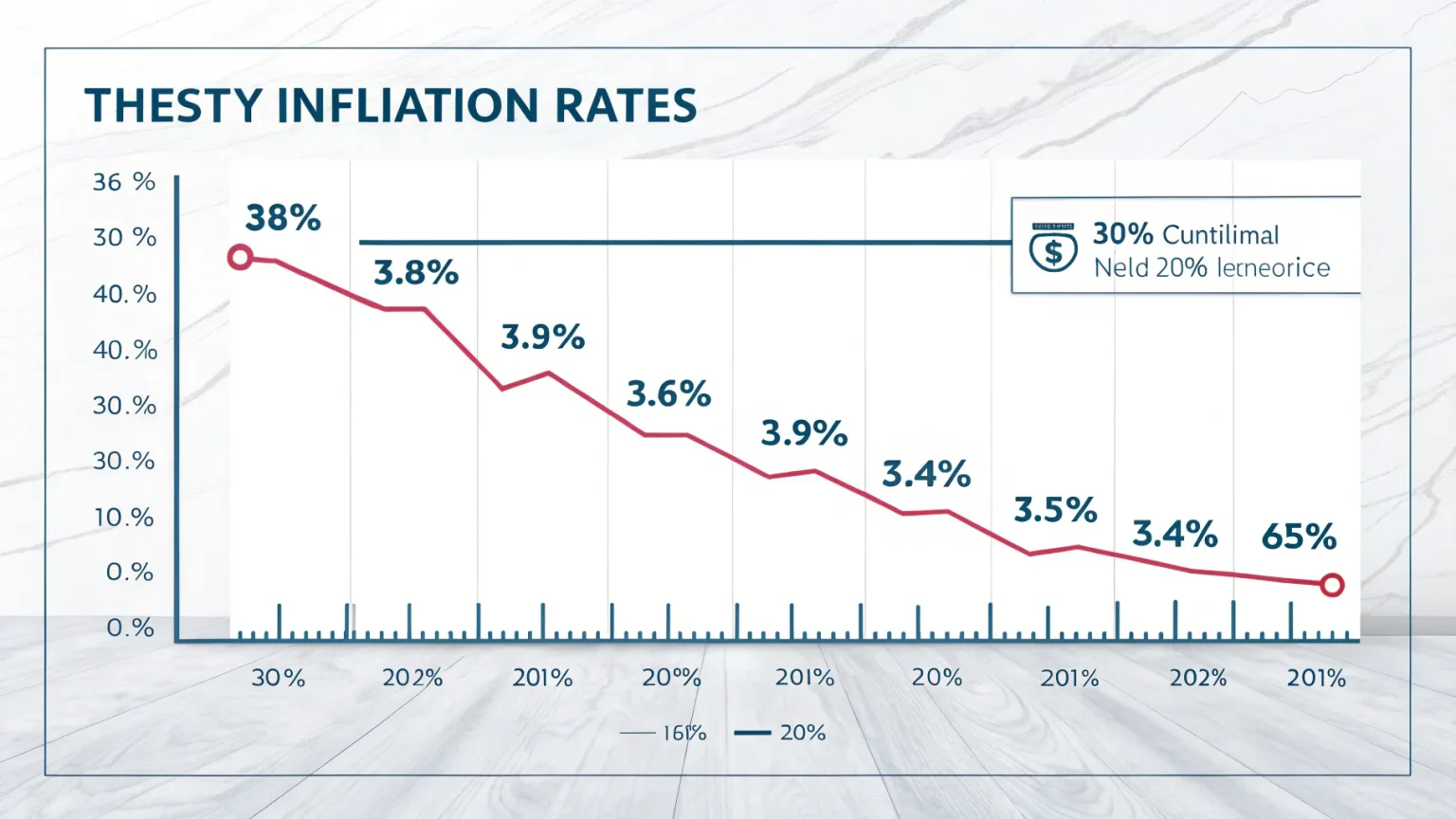
Inflation is expected to cool again in October, with economists forecasting a 3.6% annual rate, down from 3.8% in September. The projection, drawn from a Reuters poll, signals a gradual step down from recent highs and raises fresh questions about the timing of any shift in interest-rate policy.
The outlook matters for households, businesses, and markets. A slower pace of price growth could ease pressure on budgets and open the door to policy adjustments if the trend holds. Central banks target low and stable inflation—often around 2%—and have lifted rates over the last two years to slow demand.
What the Forecast Signals
“Economists polled by Reuters had expected a rate of 3.6% in the twelve months to October, down from 3.8% in September.”
A drop from 3.8% to 3.6% would suggest steady progress, but not a return to target. The gap between current inflation and policy goals remains meaningful. That gap will guide decisions on how long rates must stay high.
Analysts say a modest decline is consistent with easing energy costs and slower goods inflation. Services prices and wages may still keep inflation sticky. The mix matters for how quickly inflation can return to target without a sharp slowdown in growth.
Policy and Market Implications
Investors are watching for signs that central banks could pause or cut rates in the months ahead. A softer inflation print would support the case for patience, but policymakers have stressed they need clear evidence that inflation is on a durable path lower.
For borrowers, even small improvements in inflation help. Real incomes may stabilize if wage gains exceed price growth. For savers, higher interest rates continue to offer better returns than in recent years, though rate relief could trim those gains over time.
Businesses face a mixed picture. Input costs may ease, yet financing remains expensive. Companies with pricing power could see margins stabilize, while those exposed to rate-sensitive demand may proceed cautiously with hiring and investment.
Reading the Trend
The expected 3.6% rate fits a broader cooling from last year’s peaks. Many economies saw inflation reach multi-decade highs after supply shocks and strong post-pandemic demand. Since then, supply chains have improved, and tighter policy has weighed on spending.
Yet inflation can be uneven. Energy prices remain volatile. Housing, healthcare, and services costs tend to adjust slowly. These sectors will likely shape the next leg of disinflation.
What to Watch Next
- Monthly momentum: Are core prices slowing on a month-to-month basis?
- Wage growth: Do pay gains align with 2% inflation over time?
- Services inflation: Is it easing alongside goods prices?
- Policy guidance: Do central banks signal longer holds or earlier cuts?
Markets will parse the details for clues on the path ahead. A single reading rarely changes policy, but a pattern of cooler data could shift expectations.
For now, the forecast points to gradual relief rather than a quick fix. If inflation continues to ease while growth holds up, pressure on central banks may lighten. If it stalls, rates could stay high for longer.
October’s data will add an important piece to the puzzle. The direction looks encouraging, but the distance to target remains. The next few reports will show whether the disinflation trend is resilient and how quickly policymakers can pivot without risking a rebound in prices.


