

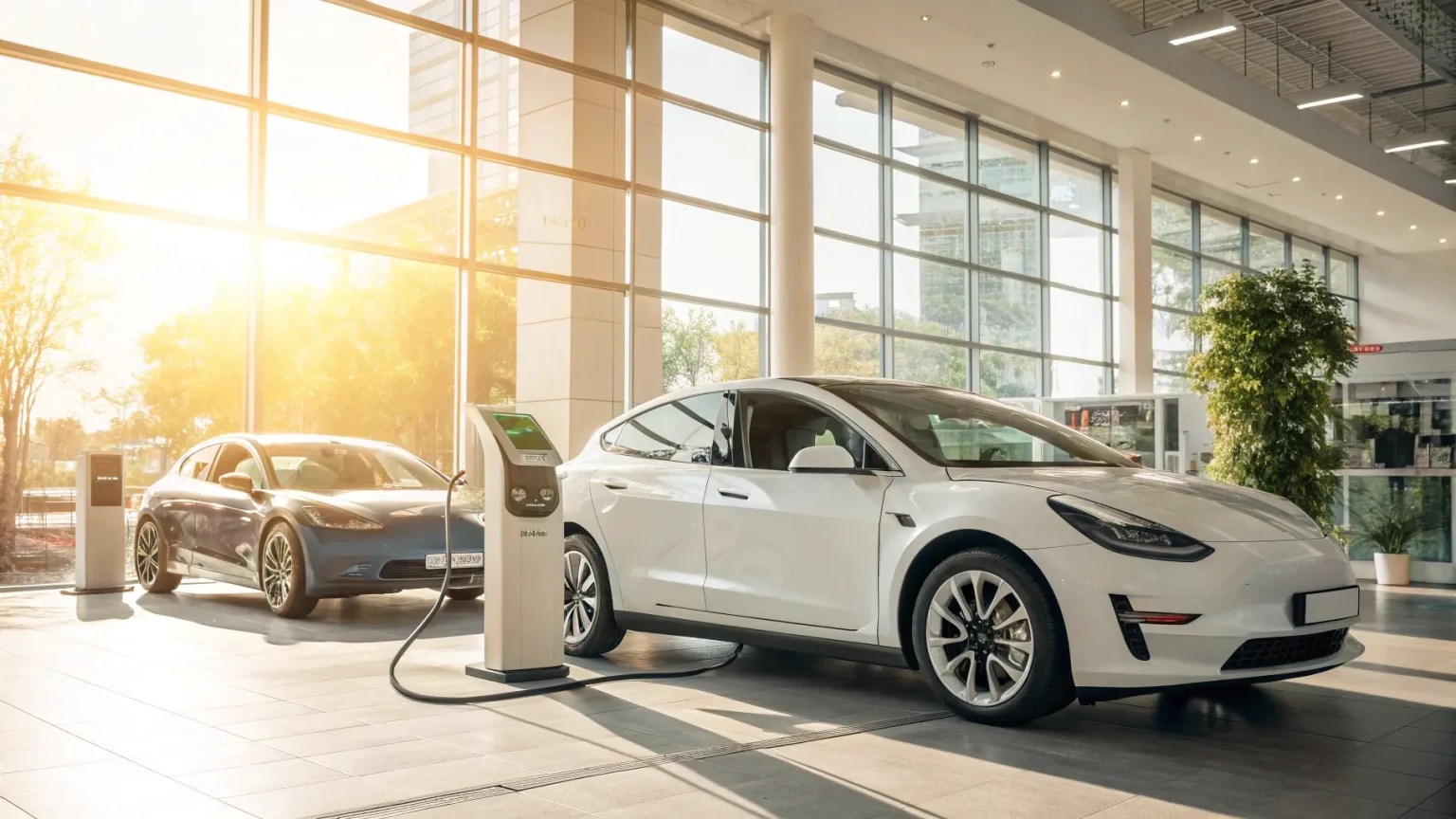
Used electric vehicles are closing in on price parity with gasoline cars, shifting a key calculation for car buyers and the auto market. Dealers report faster turnover for popular battery models. Shoppers are finding lower sticker prices and cheaper operating costs. The shift is happening now as inventories rise and incentives kick in.
“Used electric vehicles are nearly at cost parity with gasoline cars — and are in some cases cheaper.”
The trend is national, with larger effects in metro areas that have strong charging networks. Falling used prices follow a wave of price cuts on new electric models, higher trade-ins, and more off-lease vehicles. Policy changes also matter, including point-of-sale tax credits for qualifying used EVs.
Why Prices Are Dropping
New EV price cuts over the past two years pulled used values down. When automakers reduced prices to compete, resale values adjusted. Dealers noted growing supply from lease returns, rental fleets, and earlier adopters moving to newer models.
Interest rates remain high, but total monthly costs for some used EVs now match similar gas cars when fuel and maintenance are included. Electricity rates vary by region. Even so, many owners can charge at home at lower rates than gasoline.
Policy is part of the equation. A federal used EV tax credit of up to $4,000 for eligible models under a price cap can be applied at the point of sale. That reduces upfront costs immediately for qualifying buyers and vehicles.
What Buyers Are Seeing On Lots
Shoppers are encountering wider model choice than two years ago. Early compact models still lead the low-price end. Newer sedans and crossovers are showing up at mid-tier prices. Range varies by model and year, but many meet typical daily needs.
Dealers say the conversation has shifted from sticker shock to charging access and battery health. Home charging is the deciding factor for many suburban buyers. Urban buyers look for workplace or public charging.
- Lower sticker prices for several mainstream models
- Point-of-sale tax credit on qualifying used EVs
- Cheaper fuel and lower routine maintenance
- Questions about battery warranties and charging
Total Cost Of Ownership Changes The Math
Operating costs are tilting the scales. Electricity often costs less per mile than gasoline, especially with off-peak rates. EVs avoid oil changes and many routine services. Brake wear can be lower due to regenerative braking.
Insurance can be higher for some models, and tires may wear faster on heavier vehicles. Still, many owners report monthly savings compared with similar gas cars. Lower maintenance can also mean fewer surprise bills.
Concerns That Still Hold Buyers Back
Battery life is the top worry. Buyers want to know how much range a used pack has lost. Many models carry long battery warranties that transfer to new owners.
Charging access remains uneven. Highway fast charging has improved but can be crowded on holiday weekends. Apartment dwellers face the biggest hurdles without reliable home options.
Resale values are another question. Rapid changes in new car pricing can affect future trade-in prices, for both EVs and gas cars.
Industry Impact And What Comes Next
Lower used EV prices could widen adoption. Entry costs are falling into budgets that previously favored gas cars. That may pressure used gas prices for certain segments, especially compact and midsize sedans.
Automakers face a balancing act. They want new sales without crushing residual values. Leasing programs, software features, and battery warranties are tools to stabilize the market.
Policy will continue to shape the market. Credits for used vehicles, charging grants, and utility rate plans can pull prices and ownership costs lower. Fuel prices, interest rates, and new model launches will set the pace.
How To Shop A Used EV
Experts advise checking battery health reports when available and reviewing warranty terms. A test drive should include highway speeds and a fast-charge session if possible. Home charging plans, including outlet capacity and rates, should be set before purchase.
For many buyers, the numbers now add up. As one dealer put it, the economics are finally familiar, not exotic. With prices converging, the decision turns on daily driving patterns and access to charging.
Used EVs approaching price parity marks a shift in the car market. The change could speed sales, cut emissions, and push service networks to adapt. Watch for inventory levels, charging reliability, and policy updates as the next signals of where prices go from here.


