

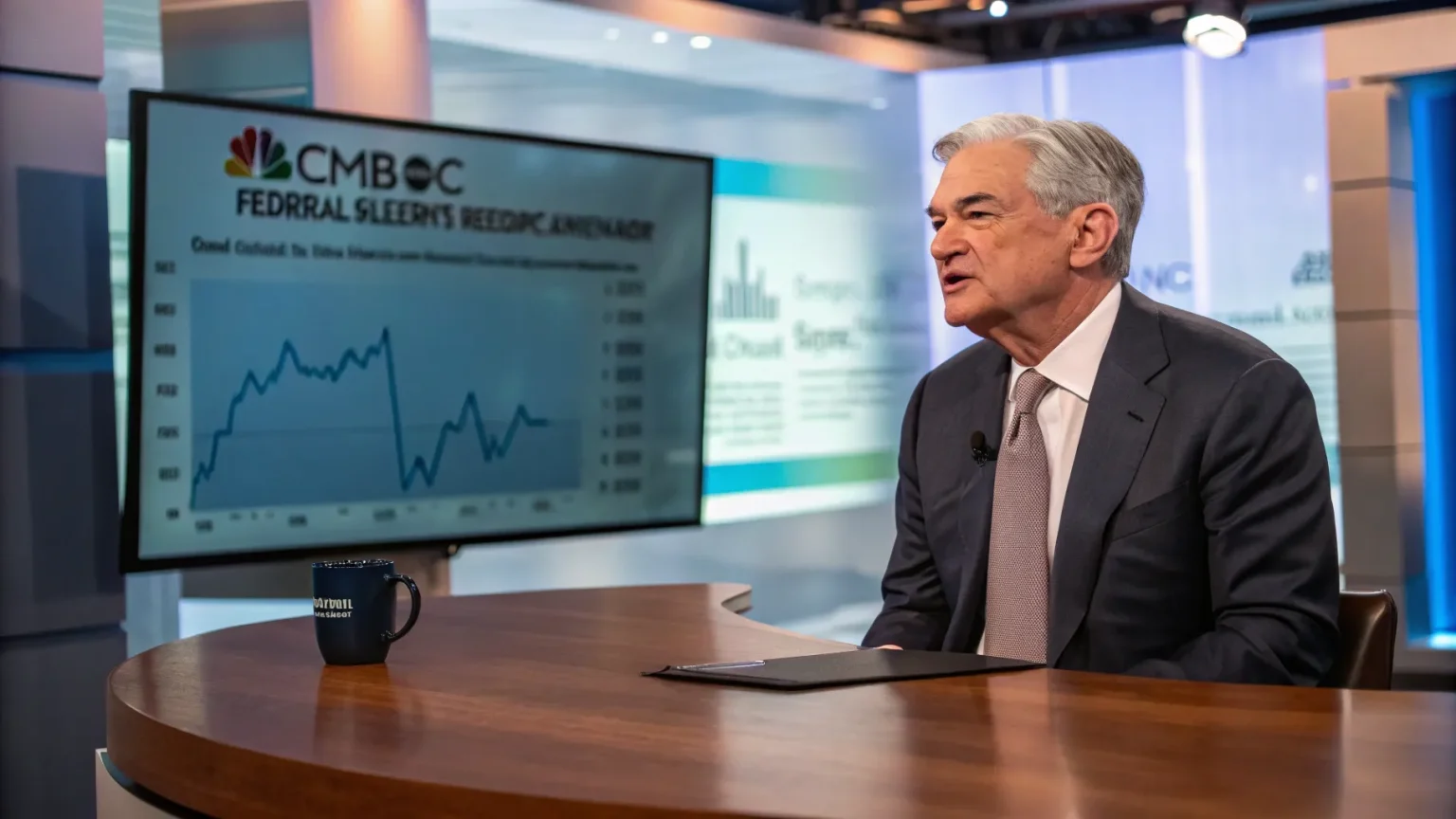
Federal Reserve Governor Stephan Miran spoke Monday on CNBC, offering a timely signal of how officials are assessing growth, inflation, and financial conditions. While the remarks came outside a policy meeting, investors and business leaders often watch such appearances for signs of the central bank’s current thinking. The discussion arrives as the Fed weighs how long to keep interest rates restrictive and how to guide expectations for the months ahead.
Why This Appearance Matters
Public comments by a Federal Reserve governor can move markets because they hint at the balance of risks facing the economy. The Fed’s mandates are simple in theory—price stability and maximum employment—but policy choices are complex in practice. A single interview cannot set policy, yet it can shape how traders, lenders, and executives plan for borrowing costs, hiring, and investment.
In recent years, inflation came down from 2022 peaks but progress has been uneven. Job growth cooled from its fastest pace while remaining positive. Those crosscurrents keep the timing of any policy shift uncertain. Against that backdrop, Miran’s comments add to the mosaic of signals that markets use to gauge the next steps.
Context: How the Fed Communicates
The Fed uses statements, press conferences, minutes, and speeches to explain its stance. Media interviews help translate that stance for a wider audience. They also give officials a chance to stress risks that may not fit neatly into a post-meeting statement. When officials speak between meetings, they often emphasize that decisions remain data-dependent and will align with the committee’s consensus.
The Fed also follows a “blackout” period before each policy meeting. Outside that window, interviews like Monday’s can clarify how officials are reading new data on inflation and growth. Markets typically look for consistency between these remarks and recent meeting minutes.
The Economic Backdrop
Inflation slowed from its 2022 highs but stayed above the Fed’s 2% target at times. Wage growth eased from peaks but remained solid. Consumers kept spending, though the mix shifted as households adjusted to higher rates. Housing costs and services inflation were sticky, even as goods inflation cooled. That uneven progress kept officials cautious about declaring victory.
Financial conditions tightened as higher rates fed through to mortgages, auto loans, and corporate borrowing. Yet large firms continued to raise capital, and credit markets remained open. Small businesses faced higher financing costs and weaker demand in some sectors.
What Markets Listen For
Investors tend to parse three themes in any Fed official’s remarks:
- The pace of inflation improvement and risks of reacceleration.
- Labor market cooling and whether it threatens growth.
- The threshold for rate cuts or further patience at current levels.
Clear guidance on any of these can shift bond yields and equity prices. Hints of patience can lift longer-term yields and support the dollar. Signals of easier policy can push yields lower and boost interest-rate sensitive sectors.
Policy Tools and Data Watch
The main policy lever is the federal funds rate. Balance sheet policy also matters by affecting liquidity and term premiums. Officials have said future moves will depend on incoming reports. The most watched indicators include:
- Inflation: CPI and PCE price indexes, with a focus on core services.
- Jobs: Payroll growth, unemployment rate, and labor force participation.
- Wages: Average hourly earnings and the employment cost index.
- Spending: Retail sales and personal consumption.
- Housing: Starts, permits, and mortgage rates.
- Financial conditions: Credit spreads and lending surveys.
What It Could Mean for Households and Firms
Stable or higher rates keep mortgage and auto costs elevated and may slow big-ticket purchases. For businesses, higher financing costs can trim expansion plans, but stronger demand and easing input costs can offset some pressure. Banks may stay cautious on credit, especially for riskier borrowers, until they see steadier inflation progress.
Miran’s appearance signals the Fed’s continued focus on cooling inflation without causing a sharp downturn. The near-term path will depend on the next rounds of inflation and employment data. For now, the message for readers is careful patience: expect policy to remain guided by evidence, not the calendar. Watch upcoming data releases, as well as any future comments from Miran and his colleagues, for signs that the balance of risks has shifted and the rate outlook is changing.


