

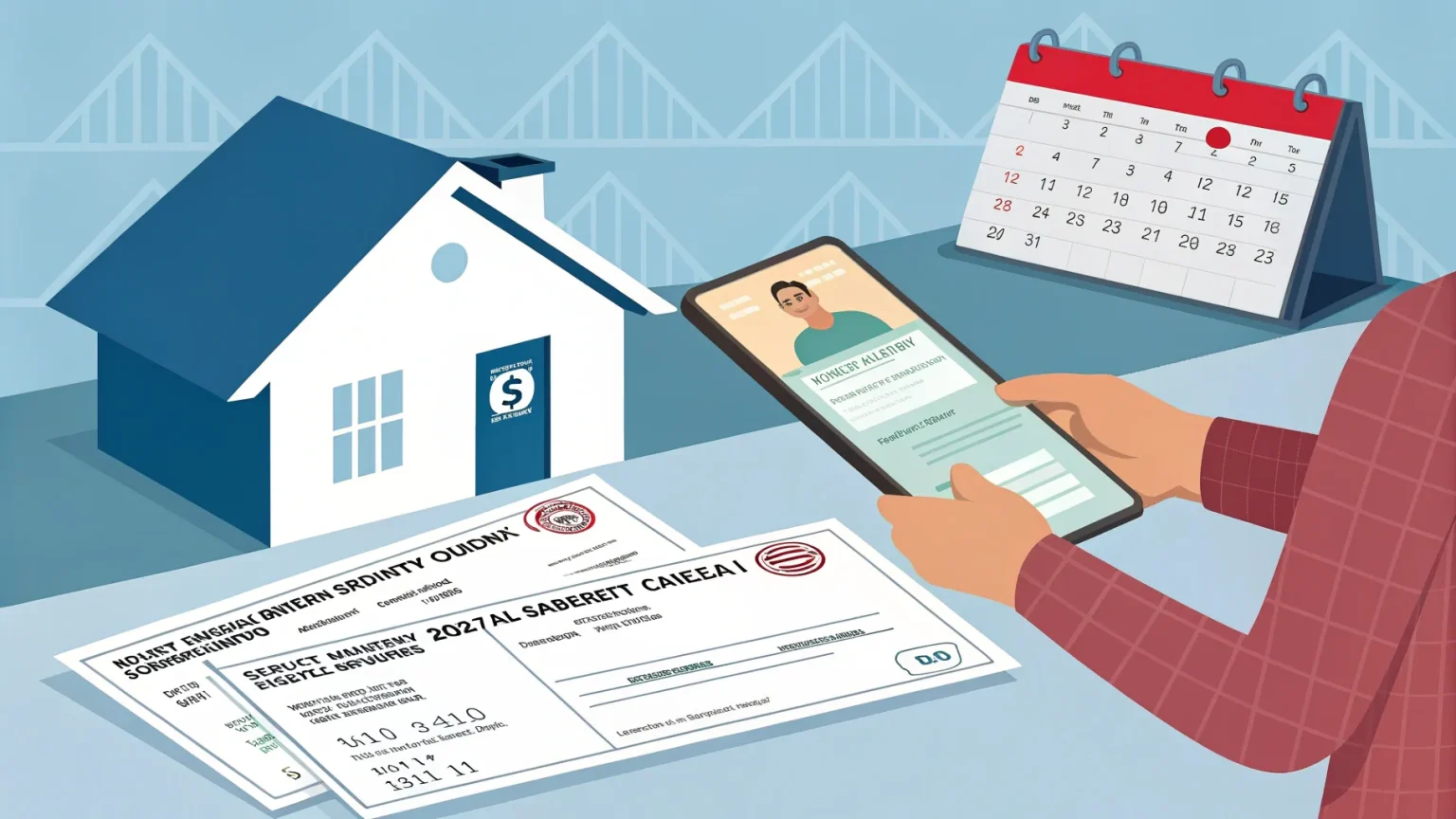
Washington is moving to end paper Social Security checks, pressing millions of beneficiaries to use direct deposit or government-issued debit cards. Officials have signaled that the change is imminent, citing security, speed, and cost savings. The push affects retirees, people with disabilities, and survivors who still receive benefits by mail.
I spoke with advocates, former agency staff, and beneficiaries to understand how the shift could play out and who might be left behind. The move mirrors earlier campaigns by the Treasury Department to steer federal payments into safer electronic channels. Lawmakers and consumer groups agree the plan reduces check theft, but they diverge on how ready the country is to go fully digital.
“For months, the U.S. government has been setting ‘final’ deadlines, signaling the imminent end of paper Social Security checks, urging beneficiaries to switch.”
Why Washington Wants Electronic Payments
Electronic payments are cheaper to process and harder to steal. Agencies also stress fewer delays, especially during storm disruptions, postal slowdowns, or local emergencies. I heard this argument repeatedly from former Treasury officials who helped design earlier rollouts.
Since 2013, most new beneficiaries have received payments electronically. Waivers have been allowed for people with certain hardships, but those carve-outs were always meant to be temporary. Officials now want to finish the job and close the gap.
Consumer advocates I spoke with agree the benefits are clear. Direct deposits arrive on time even when mail service falters. The government can trace fraudulent transfers more easily than lost paper checks. Banks and credit unions also support the change because digital deposits cut processing costs.
Who Could Be Left Out
The shift raises real concerns for people without bank accounts, residents in rural areas with spotty internet, and older adults who rely on caregivers. Aides at senior centers told me that some clients fear fees tied to prepaid cards or worry about scams on the phone when setting up direct deposit.
A disability rights organizer warned that some beneficiaries need in-person assistance to switch. She worries that a strict cutoff could leave vulnerable people missing payments while they wait for help.
Agency officials counter that help exists. They point to the government-backed debit card, which does not require a bank account and limits fees. They also note that waivers are still possible for hardships, though they intend to narrow them over time.
How Beneficiaries Can Switch
People have two primary options to receive benefits electronically:
- Direct deposit to a checking or savings account at a bank or credit union.
- Government-issued debit card that holds monthly benefits and can be used at stores or ATMs.
I heard from community groups that clinics, libraries, and senior centers are hosting help sessions. They urge families to bring identification and recent benefit statements when they come in. I also found that some banks offer no-fee basic accounts designed for direct deposits.
Security, Fraud, and Fees
Security remains the dividing line. Law enforcement officials told me that check theft from mailboxes and postal facilities has increased in recent years. Electronic payments lower that risk. But cybersecurity experts caution that phishing and spoofed calls target beneficiaries during transitions. They advise never sharing Social Security numbers or bank details in response to unsolicited messages.
Fee worries persist with debit cards. Advocates want clear disclosures, more free ATM access, and limits on balance inquiry fees. The Treasury-backed card has published fee schedules and offers fee-free withdrawals at certain banks. I will be watching whether those protections are enough as more people switch.
What Comes Next
Agencies are preparing a final outreach blitz, with mailers, radio spots, and partnerships with local groups. The goal is to reach holdouts before the last paper checks are phased out. I’m told that waivers will still exist for people who can show a hardship, but the bar will be higher.
For many, the transition should be smooth and beneficial. For others, the process will take hands-on help and patience. The government’s credibility will rest on clear communication, fee transparency, and strong fraud prevention.
As deadlines approach, the key steps are simple: choose a safe electronic option, get help setting it up, and ignore unsolicited calls or emails. I’ll be tracking whether outreach matches the urgency, and whether safeguards protect those most at risk. The end of paper checks is near; the measure of success will be whether every benefit arrives, on time, without new hurdles.


