

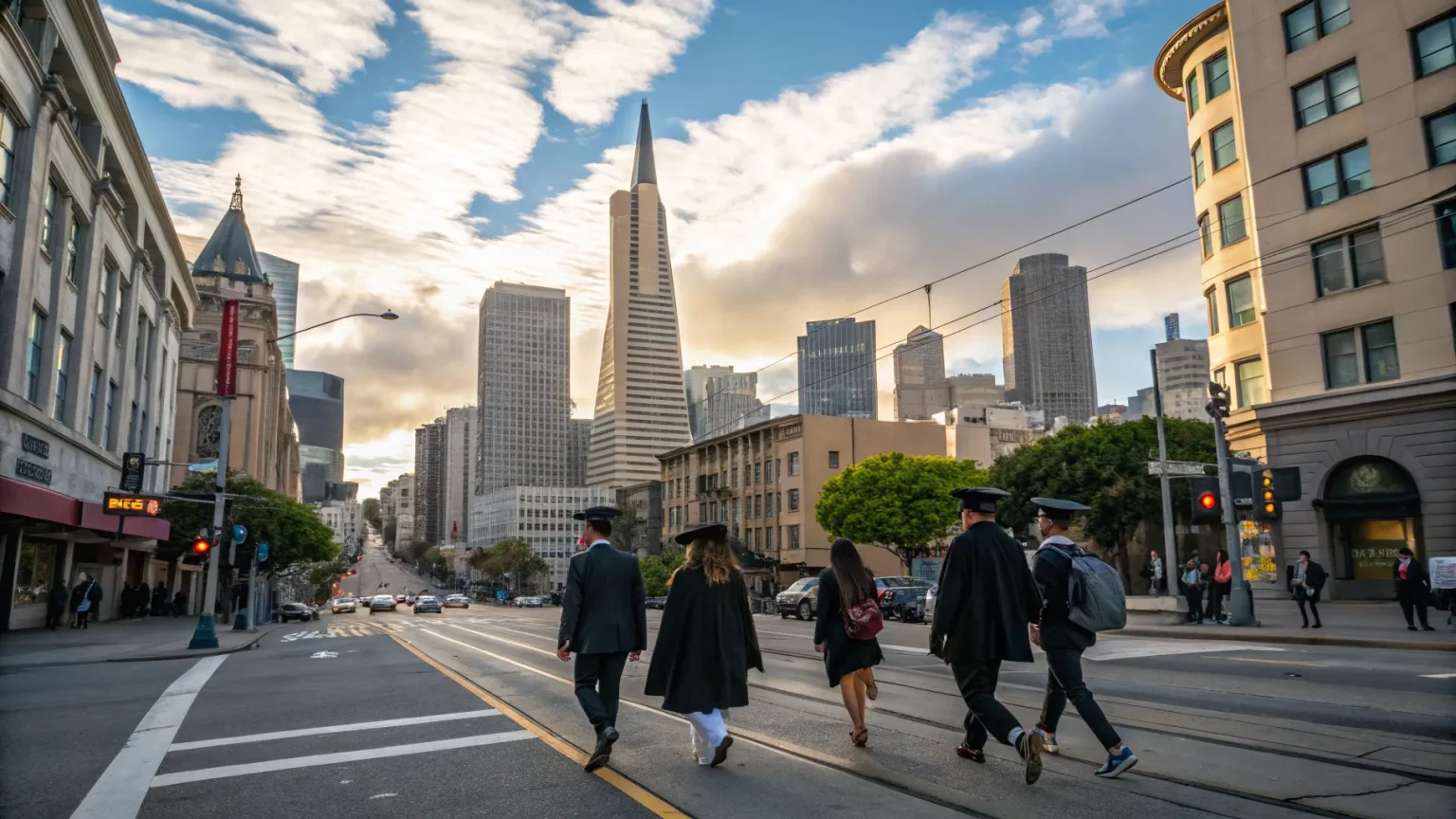
Recent college graduates are heading back to major coastal hubs this year, drawn by job opportunities and community, even as costs remain high. A new report suggests that New York City, San Francisco, and Los Angeles are top destinations for the class of 2024 and beyond, signaling a shift from pandemic-era moves to smaller metropolitan areas. The trend matters for hiring plans, city budgets, and housing markets as employers shape in-office expectations.
Background: From Remote Freedom To City Clusters
During the pandemic, many young workers chose lower-cost regions as offices closed and remote roles expanded. Southern and Mountain West cities saw an influx of new arrivals. That pattern has softened as companies adopt hybrid schedules and concentrate early-career roles near headquarters.
Large metropolitan areas still host extensive networks in finance, media, technology, and entertainment. Those industries offer internships, mentorship, and fast feedback loops. Graduates often choose places where alumni and peers already reside, which can ease the transition to life after school.
Public data over recent months shows strong hiring in professional services and health-related fields in major cities. Recruiters say entry-level positions are more likely to list in-office requirements, especially for training-heavy roles. That shift favors dense downtown areas with established office space and public transportation.
What The Report Signals
“This year, recent graduates flocked to major cities like New York City, San Francisco and Los Angeles, according to a new report.”
The report’s central finding aligns with broader recruiting signals. Employers want cohorts of new hires learning together. Universities have also resumed in-person career fairs and alumni events in major hubs, helping students secure roles within those networks.
While the report highlights three cities, similar patterns are also evident in other job centers. Chicago, Seattle, Austin, Boston, and Atlanta continue to attract young workers with strong sector ties and expanding cultural scenes.
Why Big Cities Are Drawing Grads
Graduates cite several reasons for relocating to major metropolitan areas. The most common include concentrated job opportunities, strong alumni networks, and a vibrant social life. Many also point to public transit, which reduces the need for a car while starting out.
- Career clustering in tech, finance, media, and entertainment.
- Peer networks that facilitate a smooth transition after graduation.
- Access to public transit, internships, and meetups.
Early-career workers often accept smaller apartments or share a room to offset their rent. They trade space for proximity to offices and industry events. For many, that trade feels worth it in the first years of a career.
Costs, Housing, And The First-Year Budget
High rents remain the key hurdle in New York, San Francisco, and Los Angeles. Graduates respond by sharing rooms, extending commutes, or choosing neighborhoods further from city centers. Some delay large purchases and focus on building savings.
Local officials are watching the inflow. More graduates can help city tax bases and service jobs near downtowns. However, renewed demand also strains the limited housing supply. That tension keeps affordability and zoning debates in the spotlight.
Hiring Trends And Return-To-Office Rules
Many companies now blend remote and in-person work. New hires often train on-site for part of the week. Managers say in-person time speeds onboarding and helps teams form trust. These practices tend to favor cities where firms maintain their headquarters or large hubs.
Students who interned in person are more likely to receive offers in the same city. Career centers report more substantial interest in roles that advertise structured training programs, even if they require regular office days.
What To Watch Next
The pull of big cities may persist if hiring remains strong and hybrid schedules continue. Policy changes on housing supply could also shape outcomes. Faster permitting, new student housing near transit, and incentives for office-to-residential conversions could ease rent pressure.
On the employer side, clearer expectations on attendance and location will guide where graduates settle. If more firms centralize teams, large hubs will likely gain. If remote hiring expands again, smaller metros could rebound.
For now, the class of 2024 appears to be voting with their feet. Big cities are regaining young talent, even with tight budgets and small apartments. The next test will be whether these arrivals stay through a full business cycle, building careers and communities that last.


