

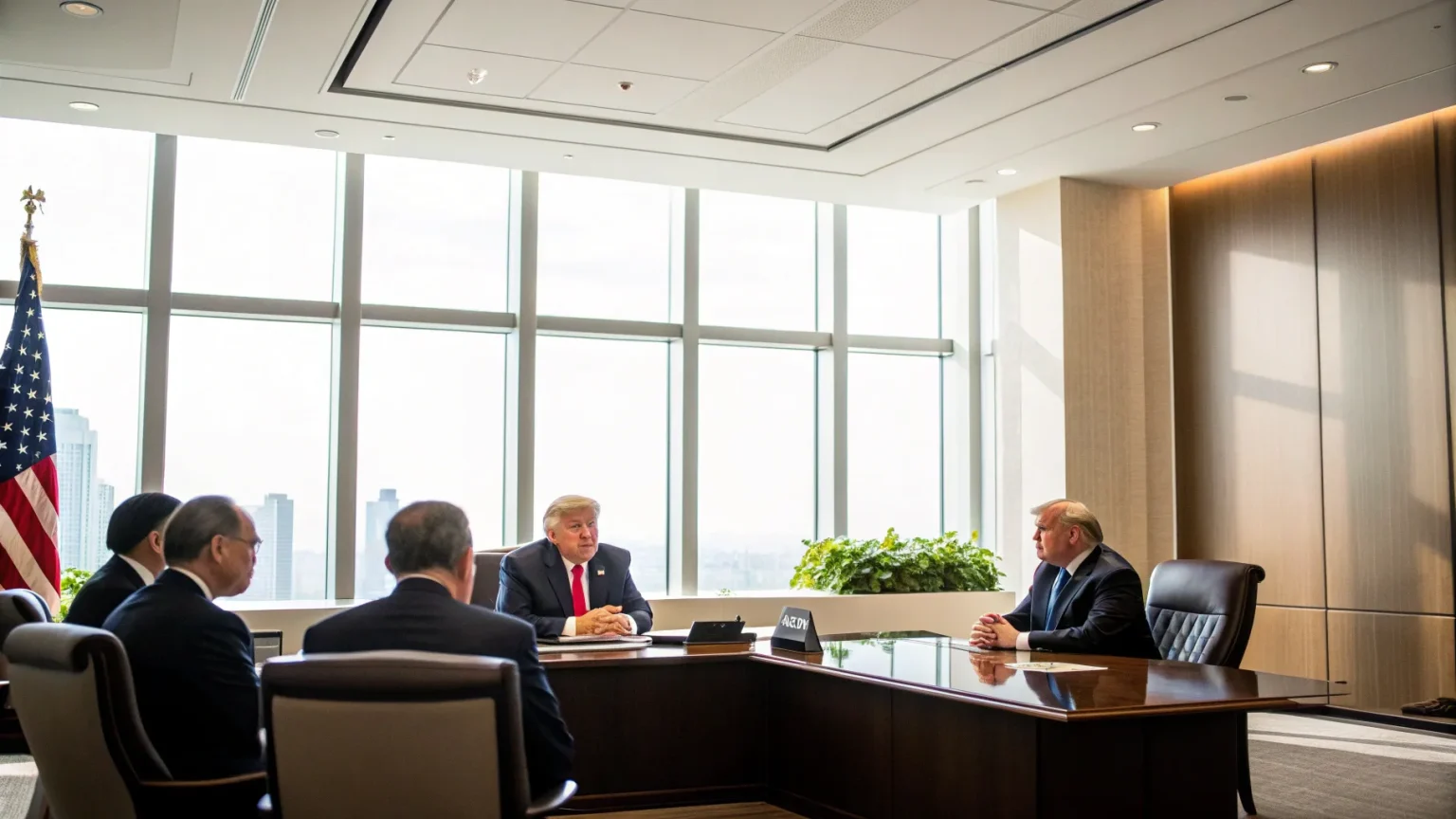
In a move that could avert a shutdown of one of the most popular apps in America, President Donald Trump approved a proposed deal to keep TikTok operating in the United States. The decision, made on a Thursday, signaled a possible end to months of uncertainty for creators, advertisers, and tens of millions of users. The proposal appears designed to address national security concerns while preserving the app’s presence in the country.
“President Donald Trump on Thursday approved a proposed deal that would keep TikTok alive in the U.S.”
The action follows a series of government reviews and public debates over how to protect American user data while allowing a foreign-owned platform to run on U.S. soil. The approval clears a path for a corporate structure intended to satisfy security demands from Washington.
How the Dispute Reached This Point
TikTok, owned by China-based ByteDance, surged in popularity in recent years, becoming a leader in short-form video. As its audience grew, so did concerns in Washington about data security and potential foreign influence. The Committee on Foreign Investment in the United States (CFIUS) examined TikTok’s operations and pushed for changes to its ownership and data practices.
The Trump administration had previously threatened to restrict the app unless an acceptable arrangement could be reached. The company and potential U.S. partners worked on a plan that would separate data handling for American users and create new oversight, aiming to reduce risk tied to foreign control.
At the same time, creators and small businesses warned that a shutdown would cut off a key channel for reaching audiences, selling products, and building communities. TikTok has said it has more than 100 million users in the U.S., a scale that advertisers and musicians have relied on for exposure.
What the Approved Deal Could Change
While specific terms were not detailed in the announcement, the broad goal is clear: build a structure in which U.S. user data is managed under American oversight and kept separate from foreign access. That likely includes domestic data storage, audits, and compliance measures designed to reassure regulators.
- U.S.-based handling of American user data
- Independent oversight and security reviews
- Corporate governance aimed at addressing national security issues
If implemented as described, the arrangement could serve as a model for how other foreign-owned apps operate in the U.S. market under tighter scrutiny.
Security, Policy, and Civil Liberties Concerns
National security advocates argue that data about Americans, including location and preferences, should not be accessible to foreign governments. They say the deal must be backed by enforceable rules and clear penalties for violations.
Tech policy experts add that transparency on code, data flows, and third-party access will be key. Regular audits and the ability for U.S. authorities to review changes could determine whether the plan truly reduces risk.
Civil liberties groups warn that broad government power over digital platforms can threaten speech and set precedents that reach far beyond one app. They call for targeted measures that protect privacy while respecting free expression and the rights of users and creators.
Impact on Creators, Advertisers, and Rivals
Creators who built large audiences on TikTok could see stability return, encouraging brands to maintain campaigns and partnerships. Many small businesses use the app for marketing and sales, and a clear path forward may help them plan budgets for the rest of the year.
Competitors such as Instagram Reels, YouTube Shorts, and Snapchat’s short-video features have been racing to win users amid TikTok’s uncertainty. A green light for TikTok could slow user migration, but it may also push rivals to improve tools for creators and monetization.
What to Watch Next
The key questions now involve enforcement and detail. Regulators will need to verify where data is stored, who has access, and how changes to the app are reviewed. Any final agreement will likely include timelines for compliance and independent verification.
Congress may continue to examine broader rules for foreign-owned digital platforms, including more uniform data standards. States are also pursuing their own privacy laws, which could shape how apps collect and store information.
The approval is an important step toward resolving a long-running dispute over data, security, and speech on a wildly popular platform. But the outcome depends on execution. If the parties deliver on strict data controls and oversight, millions of users and businesses could avoid disruption. If safeguards fall short, the fight over TikTok—and how the U.S. governs foreign tech platforms—will likely return to the forefront.


