

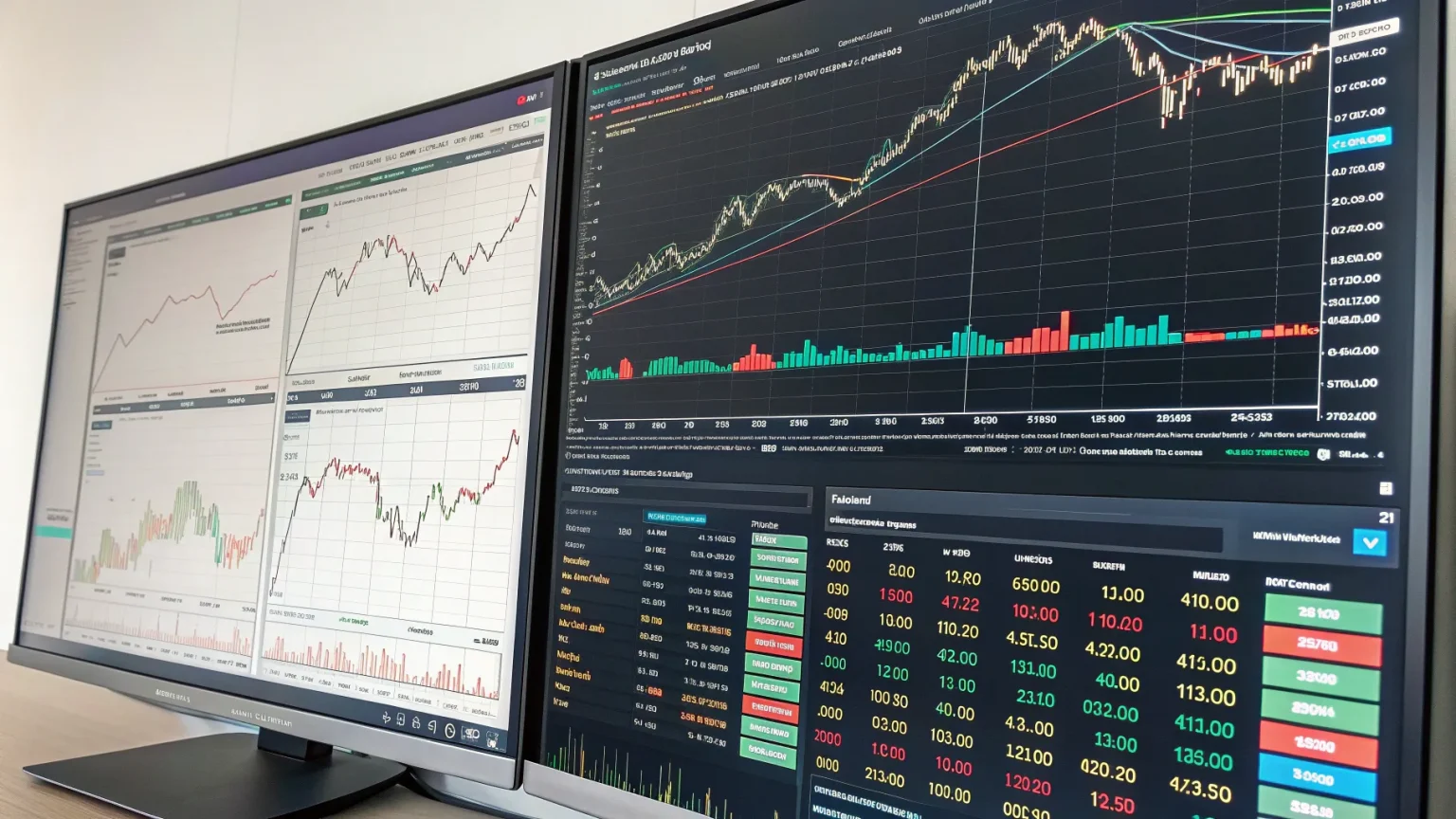
Market technician Frank Cappelleri walked through the charts of a key energy stock, offering a clear read on trend, momentum, and risk. His review, shared with investors seeking clues on direction, focused on how price behavior lines up with sector forces and oil market swings. The goal was to give traders a roadmap for what might come next and why it matters now.
Background: Why Technicals Matter in Energy
Energy stocks often move with oil and gas prices, but individual names can diverge based on company news, supply shifts, and policy headlines. When fundamentals send mixed signals, charts can help investors judge strength or weakness in real time. Patterns such as higher highs and higher lows, or breaks below recent support, often guide short-term decisions. Moving averages help separate noise from trend. Momentum tools can flag when a move is getting tired.
Over the past few years, energy has seen sharp rotations as commodity prices rose and fell. Traders have leaned on technical levels to time entries and exits. When prices test prior highs, they watch for confirmation of a breakout. When they approach prior lows, they gauge the risk of a breakdown.
Technical Signals Under Review
Cappelleri’s walkthrough centered on simple, high-visibility signals that many investors track. He examined trend direction, the behavior near support and resistance, and the relationship to commonly watched moving averages. He also considered momentum gauges that can show if buying or selling pressure is strengthening.
He emphasized the value of clear levels. A sustained move above recent resistance can attract follow-through. A failure at that same level can trigger a reversal. On the downside, a firm floor may offer risk control for traders with tight stops, while a breach can open the door to faster losses.
Sector Context and Investor Sentiment
Technical setups do not exist in a vacuum. Energy investors have been tracking global supply issues, demand signals, and inventory reports. Shifts in policy, production cuts, or unexpected outages can add volatility. In that environment, traders often combine chart levels with calendar events.
Sentiment also plays a role. A stock that has rallied may need consolidation before the next leg. A laggard can bounce if sellers tire. In both cases, chart patterns help separate a routine pause from a change in direction.
What the Patterns Could Mean
According to Cappelleri’s analysis, traders can map out potential paths using a few scenarios:
- Bullish: Price holds higher lows and reclaims a recent ceiling on rising volume.
- Neutral: Price chops in a range, with false breaks that fail to confirm.
- Bearish: Price loses key support and stays below falling short-term averages.
Each path has different implications for risk and reward. Breakouts tend to work best when momentum confirms. Range-bound action favors mean-reversion strategies. Breakdowns often require discipline and strict risk limits.
Balancing Views and Managing Risk
Cappelleri’s approach reflects a balanced view. Charts can signal direction, but no indicator is perfect. He stressed the importance of planning trades in advance and respecting invalidation points. That framework helps investors avoid emotional decisions during sharp moves.
For longer-term holders, the bigger trend matters most. If the stock remains above long-term support, short-term dips may be noise. If it stays below a long-term ceiling, rallies may be chances to reduce exposure. Timeframe alignment is key: short-term traders and long-term investors can see the same chart differently.
What to Watch Next
Investors tracking this energy name will watch whether price can sustain moves through recent levels. They will look for confirmation from volume and momentum. They will also monitor sector headlines and oil price action that can sway sentiment.
Risk controls remain essential. Clear stop levels, position sizing, and a plan for both success and failure can protect capital during volatile sessions.
Cappelleri’s chart review offers a practical checklist: respect the trend, define levels, and wait for confirmation. For now, the setup appears to hinge on how price behaves at the nearest support and resistance zones. If buyers can hold the line and push through overhead supply, momentum could build. If sellers win the next test of support, caution is warranted. Either way, the next few sessions may tell the story.


