

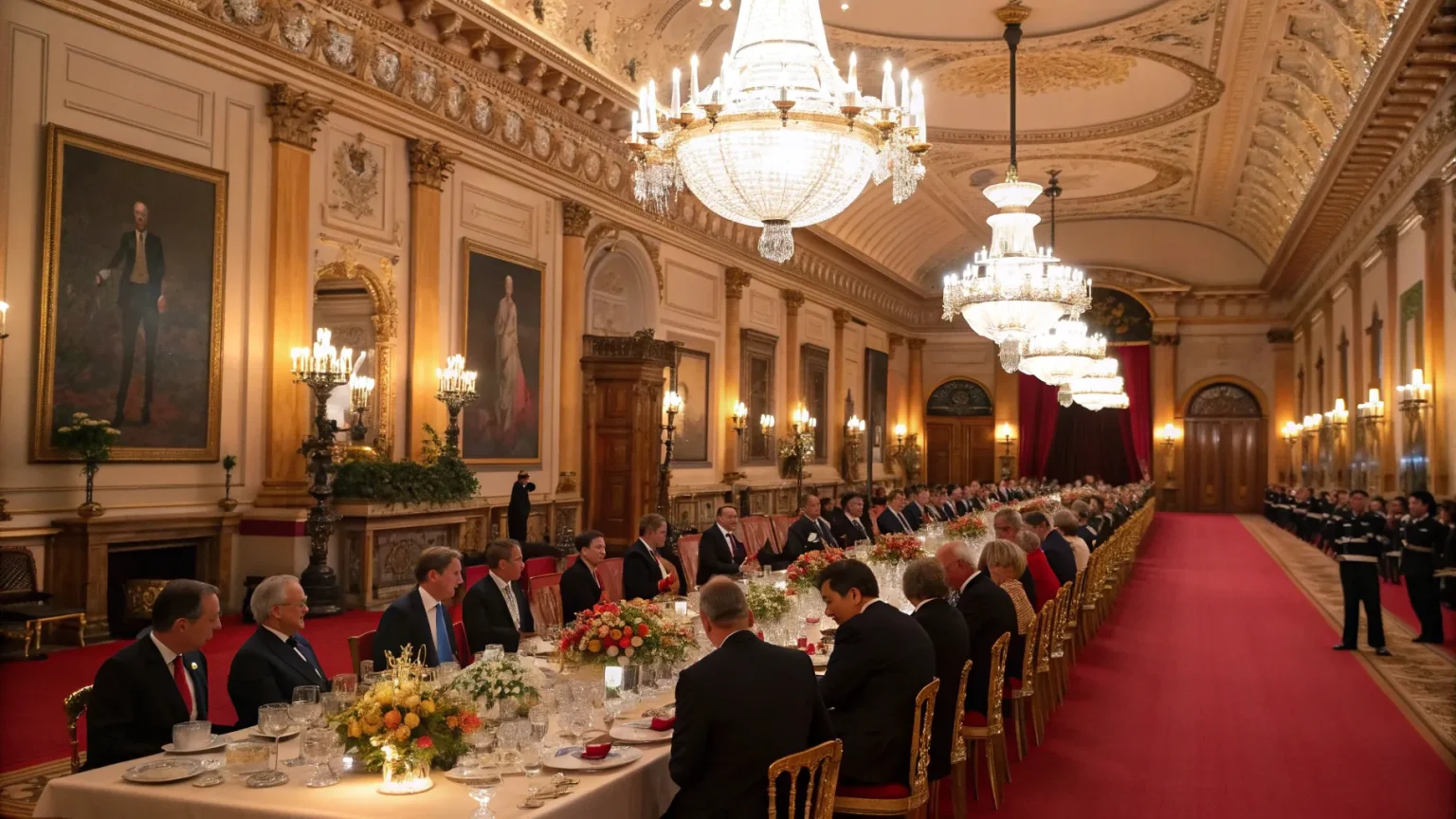
Former President Donald Trump made a historic second state visit to the United Kingdom, marking a significant diplomatic engagement between the two nations. The visit included a formal dinner at Windsor Castle that brought together an exclusive gathering of influential figures from media, technology, and finance sectors.
Among the notable attendees was media mogul Rupert Murdoch, whose presence highlighted the intersection of political power and media influence at the event. The dinner also hosted executives from major technology companies and financial institutions, though specific names of these business leaders were not disclosed.
High-Profile Business Attendance
The Windsor Castle dinner served as a key networking opportunity for Trump and his administration to engage with business leaders who hold substantial influence in global markets. Rupert Murdoch’s attendance was particularly noteworthy given his control of major media outlets across multiple countries, including Fox News in the United States and various publications in the UK.
Technology executives at the dinner represented companies that play crucial roles in digital infrastructure, social media, and emerging technologies. Their presence suggests potential discussions about international technology policies, data privacy regulations, and trade relationships in the digital economy.
Financial sector leaders also participated in the event, bringing expertise in global markets, investment strategies, and economic forecasts to the table. These executives likely had interests in discussing international banking regulations, trade agreements, and economic cooperation between the US and UK.
Diplomatic Significance
Trump’s second state visit carries particular diplomatic weight as few American presidents have been honored with multiple state visits to the United Kingdom. The formal dinner at Windsor Castle, one of the British monarchy’s official residences, indicates the high diplomatic status afforded to the visit.
The gathering of business elites at this function suggests an emphasis on economic and trade relationships between the United States and United Kingdom. Such high-level networking events often serve as platforms for informal discussions that can influence future policy decisions and business partnerships.
State visits typically include a combination of ceremonial events, formal meetings with government officials, and social functions designed to strengthen bilateral ties. The inclusion of prominent business figures indicates an interest in fostering commercial relationships alongside traditional diplomatic objectives.
The UK-US relationship, often referred to as the “special relationship,” has historically prioritized defense cooperation, intelligence sharing, and trade. This dinner appears to have added a strong business dimension to these traditional areas of collaboration.
As global markets continue to navigate economic uncertainties, the meeting of financial leaders with a former US president highlights the ongoing importance of transatlantic business relationships and their connection to political leadership networks.


