

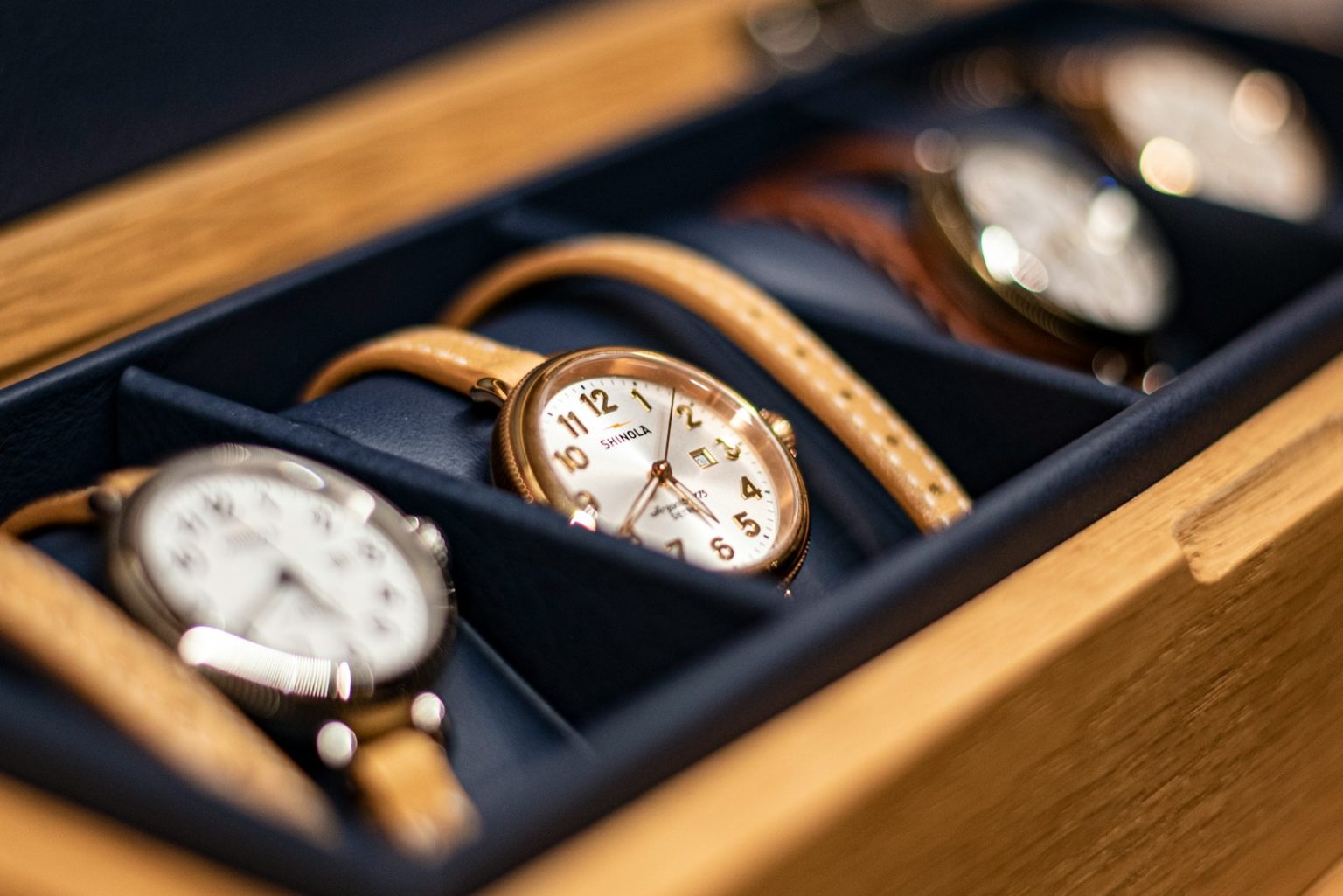
If you own a Rolex, an Omega, or a Patek Philippe sitting in a drawer, you are holding an asset, not an accessory. I have helped a number of self-employed clients sell luxury watch pieces to fund a business expansion, clear high-interest debt, or build a runway before leaving a salaried job. Done carelessly, you lose thousands. Done properly, you capture close to real market value and redeploy it into something that compounds.
This guide covers how to sell luxury watch inventory intelligently, what each sales channel actually costs you, and the tax treatment most people get wrong.
Understand what you own before you sell a luxury watch
The single biggest mistake I see is anchoring on the purchase price. What you paid is irrelevant. What matters is current secondary market demand for your exact reference number, in your exact condition, with your exact documentation.
Four factors drive value, roughly in this order:
- Reference and model. Some references appreciate steadily; others sit well below retail forever. Two watches from the same brand can behave completely differently.
- Box and papers. Original packaging, warranty card, and service records can add meaningfully to the price. Missing papers reliably cost you.
- Condition and originality. Unpolished cases and original parts command premiums. Aftermarket replacements and over-polished lugs reduce value more than most owners expect.
- Service history. Documented servicing by an authorized center reassures buyers and shortens negotiation.
Before you approach anyone, research recent completed sales for your reference. Not asking prices, completed sales. The gap between the two is often twenty percent or more, and sellers who confuse them negotiate from a position they cannot defend.
Get an independent read on condition
An appraisal from someone who is not buying your watch is worth the fee. Anyone who offers to value it and purchase it in the same conversation has an obvious conflict, and I have watched that conflict cost people real money.
Where to sell a luxury watch: the four channels compared
Each route trades speed against price. There is no universally correct answer, only the right answer for your situation.
Dealers and authorized buyers
Fastest and simplest. You get paid immediately, there is no shipping risk, and no buyer disputes afterward. You also accept a wholesale price, because the dealer needs margin to resell. Expect a meaningful discount to retail.
This is the right channel when you need the cash on a deadline, which is often the case when the money is funding a business obligation.
Auction houses
Best suited to rare or highly collectible references. Established auction houses reach serious collectors and can exceed private sale prices for the right piece. They also charge seller commissions, take months, and offer no guarantee of hitting reserve.
For a standard steel sports model, auction is usually the wrong choice. For something unusual, it can be the only channel that finds the right buyer.
Online marketplaces
Specialist watch platforms sit between dealer and private sale. You retain more value than a dealer offer, the platform handles authentication and escrow, and you pay a commission for that service. Timelines run weeks rather than days.
Private sale
Highest potential price, highest risk. You keep the entire margin, but you handle authentication, payment security, and shipping yourself. Payment fraud in this category is sophisticated. If you go this route, the Federal Trade Commission’s guidance on avoiding payment scams is worth reading before you agree to any transfer method.
My general advice: unless you already know the buyer, the additional margin from a private sale rarely compensates for the risk.
What you will actually net
When people decide to sell luxury watch holdings, they budget against the headline number and forget the deductions. Plan for these:
- Commission or dealer spread. The largest single cost in every channel except private sale.
- Authentication fees. Sometimes absorbed by the platform, sometimes not.
- Insured shipping. Never ship an expensive watch uninsured, and never undervalue the declaration.
- Servicing before sale. Occasionally worth it, often not. A service can cost more than it adds.
- Tax on any gain. Covered below, and routinely overlooked.
The tax treatment people get wrong
This is the part that surprises sellers. If you sell luxury watch pieces for more than you paid, that gain is generally taxable. Watches are typically treated as collectibles, and collectibles gains are taxed differently from ordinary capital assets.
If you held the watch for more than a year, the long-term capital gains rate on collectibles is capped higher than the rate on stocks. The IRS covers the treatment of capital gains and losses, including collectibles, and it is worth reading before you commit the proceeds to something else.
Two practical points. First, keep your purchase documentation, because your cost basis determines the gain and you will need to substantiate it. Second, if you sold at a loss on a personal-use item, you generally cannot deduct it, which strikes people as unfair but is the rule.
If the watch was purchased through your business or you deal in watches regularly, the treatment changes substantially. That is a conversation for a professional, and clean business records will make it a short one.
Putting the proceeds to work
Here is where I see the real difference between a good outcome and a wasted one. Selling the watch is a one-time event. What you do with the money determines whether it mattered.
Clear expensive debt first
If you are carrying high-interest balances, retiring them is a guaranteed return equal to the interest rate. Nothing you invest in will reliably beat that, and it strengthens your credit position at the same time, which matters if you will need financing later.
Build the reserve you keep postponing
For self-employed people this is often the highest-value use. A cash cushion changes the decisions you are able to make: which clients you accept, what you charge, whether a quiet quarter is an inconvenience or a crisis. Anyone who has worked through uneven revenue knows the difference a reserve makes.
Fund retirement contributions
Self-employed retirement accounts carry high contribution limits, and a lump sum from an asset sale is a natural way to use them. Comparing the retirement plans available to self-employed workers before moving the money is worth an hour of your time, because the contribution ceilings vary widely.
Invest in the business
Equipment, software, or a contractor who removes a bottleneck can produce returns no market will match. The test is whether the spending increases capacity or merely comfort. I have seen both, and only one of them pays.
Timing the sale
The secondary watch market moves. Prices for popular steel sports references have swung dramatically over recent years, driven by broader liquidity conditions and shifting collector attention.
Two pieces of advice. Do not try to time a peak; sellers waiting for the last ten percent frequently watch the first twenty disappear. And do not sell into an urgent deadline if you can avoid it, because buyers can tell when you need to close, and the price reflects it.
If you know you will need capital in six months, start the process in month one.
A simple checklist
Before you sell a luxury watch, work through this:
- Locate box, papers, and any service records.
- Research completed sales, not listings, for your exact reference.
- Get an independent appraisal from a non-buyer.
- Choose a channel based on your actual deadline.
- Photograph the watch thoroughly, including any flaws.
- Confirm insured shipping and a secure payment method.
- Locate purchase documentation for your cost basis.
- Decide where the proceeds go before they land in your account.
That last item does more work than any of the others. Money without a destination has a way of becoming ordinary spending, and an asset you held for a decade deserves better than that.
Where is the best place to sell a luxury watch?
It depends on your deadline. Dealers pay the least but close fastest with no risk. Specialist online marketplaces retain more value and handle authentication for a commission, taking weeks. Auction houses suit rare references and take months. Private sale offers the highest price and the highest fraud risk, and rarely compensates for that risk unless you know the buyer.
Do box and papers really affect the price?
Yes, meaningfully. Original packaging, the warranty card, and documented service history all add value and shorten negotiation, because they reduce the buyer’s authentication risk. Missing papers reliably cost you money. Before listing anything, search thoroughly for the original documentation.
Should I service my watch before selling it?
Often not. A full service can cost more than it adds to the sale price, particularly on mid-tier pieces. Documented recent servicing helps, but paying for one specifically to sell rarely pays back. Get a read on this from an independent appraiser rather than from whoever would perform the service.
Do I owe tax when I sell a luxury watch?
Generally yes, if you sell for more than you paid. Watches are typically treated as collectibles, and long-term collectibles gains carry a higher maximum rate than gains on stocks. Keep your purchase documentation, since your cost basis determines the taxable gain. If you sold a personal-use item at a loss, you usually cannot deduct it.
How do I know what my watch is actually worth?
Research completed sales for your exact reference number and condition, not current asking prices. The gap between the two is frequently twenty percent or more. Then get an appraisal from someone who is not offering to buy it, because anyone valuing and purchasing in the same conversation has a clear conflict of interest.
What should I do with the money from the sale?
Decide before the funds arrive. For most self-employed people the ranking is: clear high-interest debt, build a cash reserve sized to several months of expenses, fund retirement contributions, then invest in business capacity. The guaranteed return from retiring expensive debt is difficult to beat elsewhere.
Is now a good time to sell?
The secondary market moves with broader liquidity conditions and collector attention, and prices for popular steel sports models have swung considerably. Rather than trying to catch a peak, start the process early if you know you will need the capital. Selling into an urgent deadline weakens your position, and buyers can tell.


