

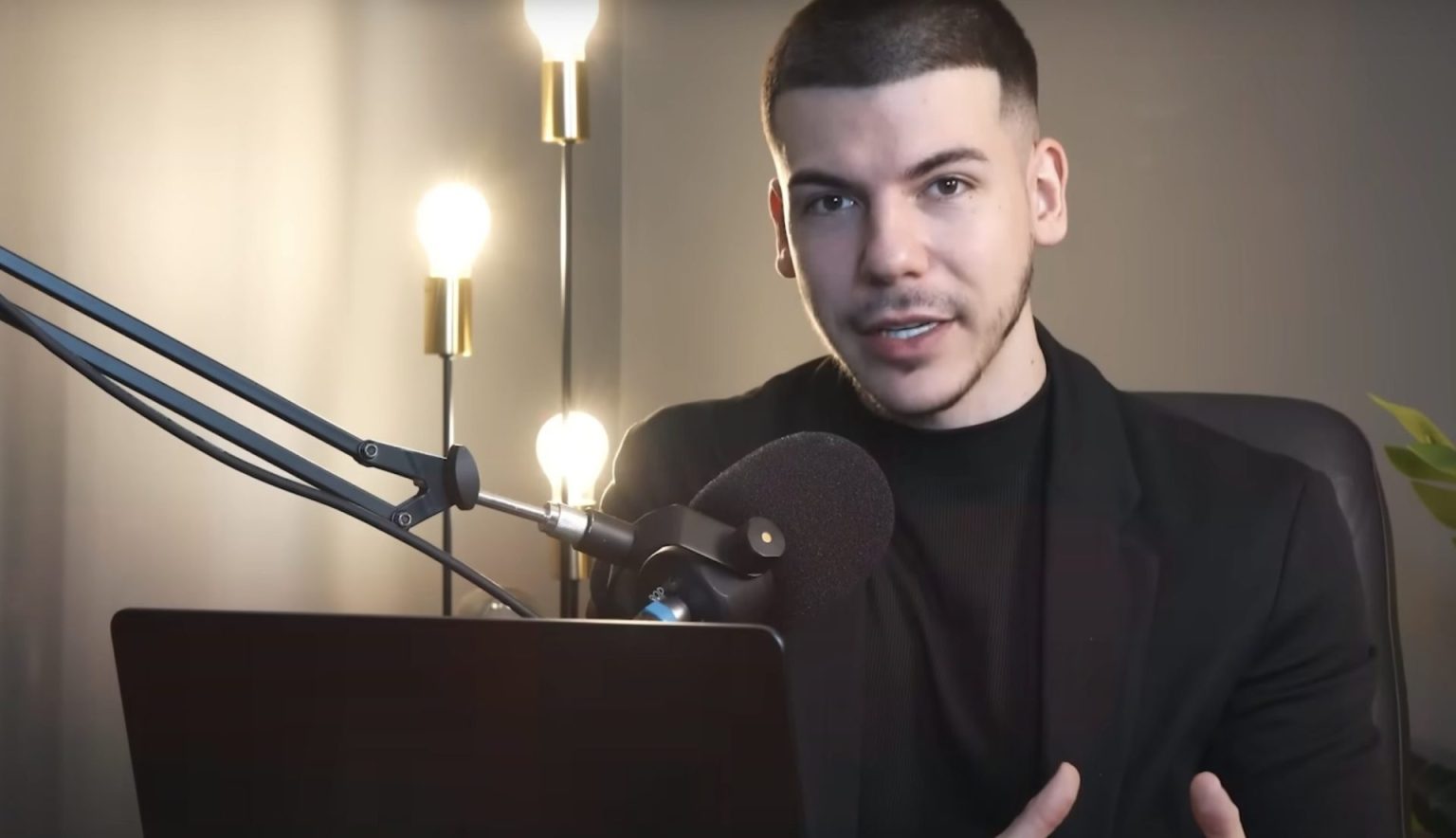
AI side hustles have gone from fringe experiments to a legitimate income stream for self-employed creators in 2026. Dave Nick, a YouTube educator who has coached thousands of beginners through faceless content strategies, recently published a tutorial breaking down how to combine AI content tools with social media giveaway programs to build a real business. After reviewing his framework and testing pieces of it with readers, I pulled together the practical takeaways on AI side hustles that actually produce income rather than hype.
Key takeaways
- AI side hustles work best when they pair automated content generation with a verified revenue mechanism.
- Faceless social media content on YouTube Shorts, TikTok, and Instagram Reels is the core distribution channel.
- Giveaway email collection partnerships and community platforms like Skool are common monetization paths.
- Consistent output of three videos per day is the usual content cadence recommended in Dave Nick’s approach.
- Realistic income takes three to six months of daily work, not overnight results.
What Dave Nick’s AI side hustles strategy actually is
Dave Nick’s framework combines three pieces: AI-generated faceless video content, high-volume posting on short-form social platforms, and monetization through email-collection giveaway offers or paid community memberships. None of these pieces are new on their own. Pairing them is what creates the opportunity, and the faceless aspect is what makes it accessible to self-employed creators who do not want to be on camera.
In my experience reviewing similar strategies, the AI side hustles that stick follow a pattern. The creator picks a narrow topic, automates content production with tools like StoryShort or ElevenLabs, posts consistently, and plugs traffic into a revenue-collecting funnel. Everything else is variation on those four steps.
How the income model works
The primary monetization path Dave Nick describes relies on affiliate partnerships with companies that pay for qualified email signups. These typically pay $1 to $8 per verified email, depending on the program and audience quality. A social media account that funnels 1,000 daily viewers into a giveaway landing page might collect 50 to 100 emails at those rates, producing $50 to $800 in daily revenue once traffic stabilizes.
The second path is running a paid community on Skool, Circle, or a similar platform. Top Skool operators earn $100,000 to $350,000 per month according to public leaderboard data, though those numbers represent outliers rather than typical results. The realistic first-year revenue for most self-employed creators following this playbook is $1,000 to $10,000 per month after three to six months of consistent effort.
The AI tools that make the workflow possible
Dave Nick’s recommended tool stack changes regularly, but the categories stay the same. Video generation handles the visual creation. Voiceover generation produces narration without recording your own voice. Script generation turns topic ideas into viewable content. Asset storage manages the clips, thumbnails, and metadata.
Tools like StoryShort, Pictory, Synthesia, and ElevenLabs handle the video and voice pieces. Large language models like Claude and ChatGPT generate scripts and hook concepts. The workflow is repeatable: pick a topic, generate a 60-second script, pair it with stock or AI-generated visuals, add an AI voiceover, caption it, and post.
Which platforms work best for faceless content
Three platforms dominate faceless AI side hustles as of 2026. YouTube Shorts offers the best monetization ceiling through the Partner Program revenue share and the strongest long-term audience building. TikTok produces the fastest early reach but pays less directly for views. Instagram Reels sits between the two for most creators.
Best practice is to produce once and repost across all three. A single 60-second clip can live on YouTube Shorts, TikTok, and Instagram Reels with minor format tweaks, multiplying reach without tripling the work. Creators pursuing a mix of income streams often combine this with the strategies in our YouTube income without creating videos guide.
What Dave Nick’s approach leaves out
The tutorial format glosses over a few realities. Building an audience from zero takes months, not days, even with perfect content. Platform algorithms penalize low-quality AI slop, so the bar keeps rising for what gets distributed. Email affiliate partners have strict compliance rules, and running afoul of the FTC endorsement guidelines can destroy a brand overnight. The creators who succeed treat AI side hustles as real businesses, not shortcuts.
The other missing piece is sustainable differentiation. If you can spin up a content channel with AI in a weekend, so can ten thousand other people. Building something defensible usually means layering expertise, a real community, or original research on top of the automated content.
Realistic expectations for AI side hustle income
Based on creator interviews and public income reports, here is the realistic income trajectory for self-employed creators pursuing AI side hustles seriously. Months one through three produce $0 to $500 per month as accounts warm up and the algorithm learns the content. Months four through six climb to $1,000 to $5,000 per month as one or two videos catch traction. Months seven through 12 settle into $3,000 to $15,000 per month for creators who stayed consistent and picked a niche with monetization potential.
Six-figure monthly results do happen but are rare and usually involve creators who built a paid community, sell a product, or landed one viral account that compounds.
How to start an AI side hustle this week
If you want to try this framework, start small. Pick one niche you can produce content about for at least six months. Set up accounts on YouTube, TikTok, and Instagram under a consistent handle. Pick one AI tool for video generation and one for voiceover, and ignore everything else until you are posting daily. Commit to 60 days of consistent posting before evaluating whether it is working. Track views, subscribers, and email signups in a simple spreadsheet to see what content formats pay off.
The business side matters too. Form an LLC, open a separate business bank account, and track expenses carefully. Our self-employed bookkeeping guide walks through the financial setup. If this hustle replaces your day job, consider reading our self-employment ideas guide for a broader look at how to structure income streams that last.
Other AI side hustles worth exploring
Faceless YouTube is not the only path. AI-powered freelance services like transcript editing, subtitle translation, and chatbot building pay well and rely on skills plus tools rather than audience. AI-assisted newsletters on platforms like Substack generate subscription income once you find a niche topic and deliver value consistently. AI product reviews and affiliate content sites can earn from search traffic over time, especially around buying decisions.
Frequently asked questions
What are AI side hustles?
AI side hustles are income streams that use artificial intelligence tools to create content, automate services, or build products without full-time effort. They typically combine AI content generation with a monetization path like affiliate programs, paid communities, or digital products.
How much can you make from AI side hustles?
Realistic AI side hustle income is $1,000 to $15,000 per month for creators who work consistently for six to 12 months. Six-figure months are rare and usually involve paid communities, digital products, or one viral account that compounds.
Do you need technical skills for AI side hustles?
No, most AI side hustle tools are designed for non-technical users. Basic computer skills, familiarity with social media platforms, and willingness to learn one or two tools are enough to start.
How long does it take to see results from AI side hustles?
Most AI side hustles take three to six months of consistent daily work to produce meaningful income. Platform algorithms need time to learn the content, and viewers need repeated exposure before they convert.
What tools does Dave Nick recommend for AI side hustles?
Dave Nick’s framework centers on short-form video tools like StoryShort or Pictory, AI voiceover from ElevenLabs, and posting across YouTube Shorts, TikTok, and Instagram Reels. The specific tools change, but the combination of video generation, narration, and multi-platform posting stays consistent.
Are AI side hustles sustainable long term?
AI side hustles can be sustainable if the creator builds something defensible on top of the automation, like expertise, a community, or original research. Pure AI content with no differentiation tends to lose traction as platforms penalize low-quality generated content.
What are the biggest risks of AI side hustles?
The biggest risks are platform algorithm changes that cut reach, compliance issues with affiliate and endorsement rules, and low sustainability if the content is not differentiated from competitors. Treating AI side hustles as a real business rather than a shortcut reduces most of these risks.


