

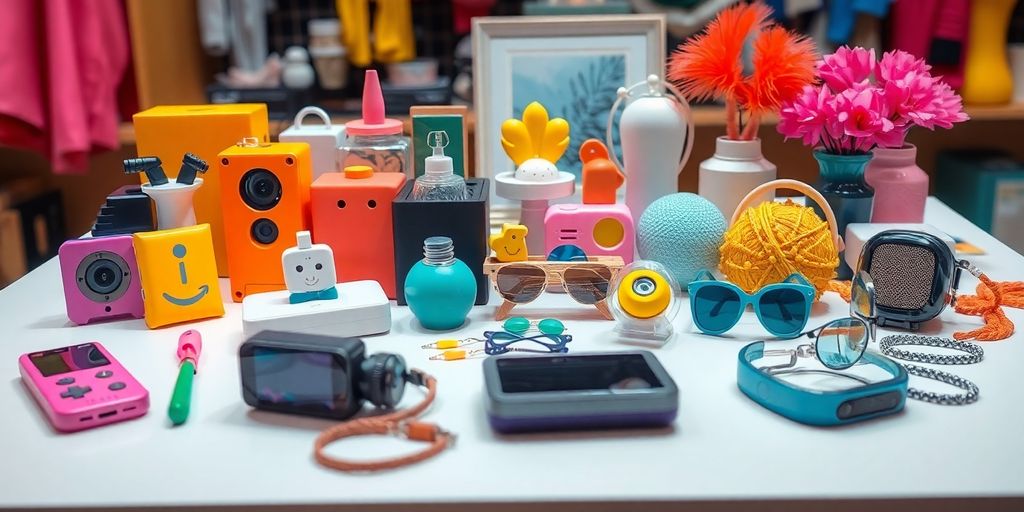
After years of helping self-employed founders pick product lines that do not immediately get crushed by Amazon, I can tell you the real challenge is not generating ideas. It is filtering them. Most people come to me with a list of 50 unique products to sell and no way to tell which ones actually have buyers waiting. This guide solves that problem.
Below you will find 25 categories of unique products I have personally seen work for independent sellers, along with a framework for validating any of them before you spend money on inventory. I am not listing trendy dropshipping picks. These are categories where real small businesses are earning real margins.
What makes a product unique enough to sell
Unique does not mean weird. It means defensible. A unique product is one where a customer cannot simply search the same item on Amazon and find a cheaper copy within 30 seconds. That defensibility usually comes from one of four places: customization, craftsmanship, niche expertise, or a tight community the seller is already part of.
When I audit a client’s product idea, I ask three questions. Can it be copied in a week? Can someone ship it for half the price from overseas? Does the buyer care who made it? If the answers are yes, yes, and no, the product is not unique enough. The best unique products to sell answer no, no, and yes.
25 unique products to sell right now
These categories are ordered roughly by startup cost, from lowest to highest. Each one includes a short note on why it works and what to watch out for.
Low startup cost (under 500 dollars)
- Custom pet portraits. Digital files or printed canvases, sold on Etsy. Repeat buyers come from referrals.
- Personalized stationery. Wedding invites, birth announcements, and thank-you cards still command premium prices.
- Handmade greeting cards with local art. Sell at farmer’s markets and through small boutiques.
- Dried flower arrangements. Low perishability, high Instagram appeal, strong gift market.
- Natural beeswax wraps. Eco-conscious kitchen goods have a loyal niche customer base.
- Custom pet collars and bandanas. Pet parents will pay a premium for something that fits their dog’s personality.
- Printable planners and digital downloads. One of the highest-margin unique products to sell because there is no inventory or shipping.
Medium startup cost (500 to 2000 dollars)
- Small batch candles. Choose a signature scent line and stay consistent. Avoid competing with the big brands on generic scents.
- Handcrafted soap and skincare. Comply with FDA cosmetic labeling rules from day one.
- Enamel pins with a niche theme. Works best when paired with a community you already belong to.
- Handmade ceramic mugs. Low output per week, high per-unit price, cult following on Instagram.
- Custom embroidered apparel. Small shops can win by serving local teams, weddings, and corporate gifts.
- Terrariums and live plant kits. Check shipping and survival rates before committing.
- Herbal tea blends. Food regulations apply, but margins and repeat purchases are strong.
- Specialty hot sauces and condiments. Local farmers markets are the fastest path to real customer feedback.
Higher startup cost (2000 dollars and up)
- Laser engraved wood signs. Tools pay for themselves fast once you build a wedding and real estate referral pipeline.
- 3D printed niche accessories. Works well for hobby communities like tabletop gaming, model railroading, and cosplay.
- Custom leather goods. Wallets, journals, and bags still command serious prices from buyers who want something that will last decades.
- Handmade wooden furniture. Slow to produce, but each sale can be thousands of dollars.
- Artisan knives and kitchen tools. A long apprenticeship pays off with a premium price and loyal buyers.
- Vintage restoration: lamps, radios, typewriters. Strong online demand for restored pieces, especially in design-forward markets.
- Custom bicycle accessories. Small community, huge spend per customer.
- Specialty coffee roasts. Subscription model makes this one of the most lucrative unique products to sell.
- Handmade jewelry with semiprecious stones. Focus on signature pieces rather than trying to compete on price.
- Custom musical instruments or accessories. Straps, picks, cases, and custom pedalboards have passionate buyers.
How to validate a unique product before you build inventory
I have watched too many clients invest 5,000 dollars in inventory for a product they never tested. Do not do that. Here is the validation process I run with every first-time maker.
Step one: check the existing market
Search Etsy, Amazon Handmade, and Google Trends. A product with no listings at all is usually a warning sign, not an opportunity. A product with 500 listings where the top seller has 2,000 reviews is validated. The sweet spot is a category with clear demand but room for a fresh entrant.
Step two: pre-sell before you produce
Build a one-page site, list three to five variations, and drive a small amount of paid traffic. If buyers click add to cart, you have signal. If they bounce, the product or positioning needs work. A few hundred dollars in Facebook or Instagram ads can tell you everything you need to know within a week.
Step three: small batch first
Make 20 to 50 units, not 500. Ship them, get feedback, refine the product, and only then scale. The most painful mistake I see is a maker who orders 500 units of something buyers ultimately did not want.
Where to sell your unique products
Picking the right sales channel matters almost as much as the product itself. Each platform rewards a different style.
- Etsy and Amazon Handmade: instant traffic, but you rent the audience. Great for first 90 days of sales.
- Your own Shopify store: higher margin and more control, but you have to build traffic yourself.
- Local farmer’s markets and craft fairs: the fastest feedback loop and often the best cash flow in your first year.
- Wholesale to small retailers: lower margin, higher volume, less marketing work.
- Instagram and TikTok: effective when you show the making process, not just the finished product.
For a deeper breakdown of the paperwork side of selling physical goods, read our essential forms for self-employed professionals.
Pricing your unique products
Handmade and unique products should not be priced the way mass-produced items are. My rule of thumb with clients is simple: cost of materials, times four, rounded up. That gives you room for labor, shipping, returns, and marketing. If the number feels too high, you are probably selling to the wrong customer, not charging too much.
Raise your prices every quarter until sales slow, then back off slightly. Most first-time makers underprice by 30 to 50 percent and then wonder why they cannot afford to keep going. Do not make that mistake.
Legal and tax basics
Every seller of physical goods needs a few pieces of paperwork in order before scaling up. Register as an LLC for liability protection, get a federal EIN, secure a state sales tax permit, and comply with any product-specific regulations such as FDA cosmetic labeling or cottage food laws. The Small Business Administration has a searchable tool for the licenses you need by state and industry.
Product safety rules matter too. The Consumer Product Safety Commission publishes free guides for handmade and small-batch producers. For bookkeeping and tax prep, see our self-employed bookkeeping guide.
Final thoughts
The best unique products to sell are the ones where you know the customer better than anyone else does. That is the defensible moat no competitor can copy overnight. Pick a category where you are already part of the community, validate demand before you build, and price for the value you deliver, not the cost of your materials. If you do those three things, you will be ahead of most sellers trying to crack this market.
Frequently asked questions
What are the most profitable unique products to sell from home?
Digital downloads, candles, printable planners, custom jewelry, and specialty food items consistently deliver the best margins for home-based sellers. These categories combine low startup cost, strong repeat demand, and room for brand differentiation.
How do I find unique products no one else is selling?
Start with a community you already belong to, then look for a gap between what members want and what is available. Search Etsy, Reddit, and niche Facebook groups for unmet needs. The best unique products usually come from deep niche expertise, not trend chasing.
Do I need a license to sell unique handmade products?
Most states require a sales tax permit and a local business license. Food, cosmetics, and children’s products have additional rules from the FDA or the Consumer Product Safety Commission. Check your state and product category before you start selling.
How much does it cost to start selling unique products?
Digital downloads and handmade goods can launch for under 500 dollars. Mid-range product lines like candles, soap, and jewelry usually need 500 to 2000 dollars. Laser engraving, 3D printing, and furniture can require 2000 to 10,000 dollars in equipment.
What is the best platform to sell unique products online?
Etsy and Amazon Handmade are the fastest way to reach buyers in your first year. Once you have repeat customers, moving to your own Shopify store gives you better margins and more control over the brand and customer relationship.
How do I price unique products?
A simple starting rule is materials cost times four, rounded up. This covers labor, shipping, returns, and marketing. Raise prices each quarter until sales slow, then back off slightly. Most first-time makers underprice their products significantly.


